
Cassette Bomb and Suicide Attack: Bloody Terror Trail Targeting Khamenei
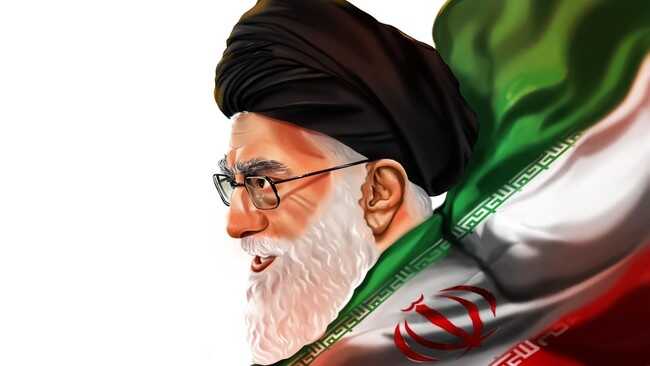
Jakarta, CNBC Indonesia - Iran’s state media confirmed the death of Supreme Leader Ayatollah Ali Khamenei. Television presenters were in tears as they announced the sorrowful news.
Iran will enter 40 days of mourning for Khamenei’s death, according to BBC International reports dated Sunday, 1 March 2026, based on reports from Iran’s state media. Khamenei is described as a martyr of an attack by the Zionist regime of Israel and the United States on Saturday, 28 February morning local time.
Previously, US President Donald Trump and Israeli officials had announced Khamenei’s death in the brutal assault launched by both nations.
Iran’s state media had previously confirmed that many of Khamenei’s family members had died, including a daughter, granddaughter, daughters-in-law, and a son-in-law.
Multiple Escapes from Assassination Attempts
Since assuming the position of Supreme Leader of Iran, Khamenei had always been a target of Israel and other nations caught in the whirlwind of conflict between Iran and its adversaries.
Full name Sayyid Ali Hosseini Khamenei, he had served as Supreme Leader of Iran since 1989.
The Israel versus Iran conflict was not the first time Khamenei had faced life-threatening situations. He had previously survived a bomb attack that exploded in front of him. What were all the attacks Khamenei experienced before his death yesterday? Here is the complete explanation:
- Cassette Tape Bomb During Friday Prayers
On 27 June 1981, Khamenei experienced his first assassination attempt whilst delivering a sermon following prayers at Abuzar Mosque in Tehran.
At that time, Khamenei was serving as Ayatollah Ruhollah Khomeini’s representative on the Supreme National Defence Council whilst delivering a sermon after Friday prayers.
Following the first prayer service, Ayatollah Khamenei held a question-and-answer session with those present. A young man placed a tape recorder on the table in front of Ali Khamenei and pressed the play button. It turned out the tape recorder contained a hidden bomb.
After one minute, the tape recorder emitted a sound like a loud whistle and then exploded. After the explosion, writing was visible on the inside of the split tape recorder reading “a gift from the Forqan Group for the Islamic Republic”. The Forqan Group itself was an anti-clerical opposition group in Iran.
As a result of this attack, Khamenei suffered serious wounds to his arm, vocal cords, and lungs. His recovery lasted several months.
This attack was part of efforts by the Mojahedin-e-Khalq (MEK) to overthrow Iran’s newly established government following the 1979 Revolution. The MEK was a rebel organisation in Iran.
There were two potential perpetrators of this attack. Some stated that the attack was carried out by a man named Amir Khan Zade. However, the Islamic Revolution Documents Centre identified the person who delivered the tape recorder as Masud Taqi Zade.
- Second Bomb Attack
On 15 March 1985, another bomb attack struck Khamenei whilst he was at prayer in a mosque. Someone wearing explosives around his waist detonated himself during Friday prayers at Tehran University.
Khamenei, who was serving as President at that time, was delivering a sermon. The explosion killed the bomber and several worshippers attending the service. Khamenei himself survived without suffering injuries.
Nevertheless, Khamenei showed no sign of fear. After pausing for three minutes, Khamenei continued his sermon amidst cries of “Allahu Akbar” (God is Greatest) from the crowd. He then blamed Iraq for the assassination attempt against him and warned that Iran would “repay every blow with a harder blow”.
This attack was significant as it occurred during the Iran-Iraq War, when the ruling government faced enormous pressure from within and abroad.
These events actually strengthened his political position within the newly formed Iranian regime. Khamenei’s survival after this attack became a crucial point in his political career, which subsequently brought him to the position of Supreme Leader of Iran since 1989.
With power lasting more than 25 years, Khamenei never showed fear despite having survived assassination attempts. It would not be an exaggeration to expect that his courage would continue to be evident in the ongoing Iran-Israel conflict.