
BRIN Develops Waste Processing Technology from Household to Urban Scale
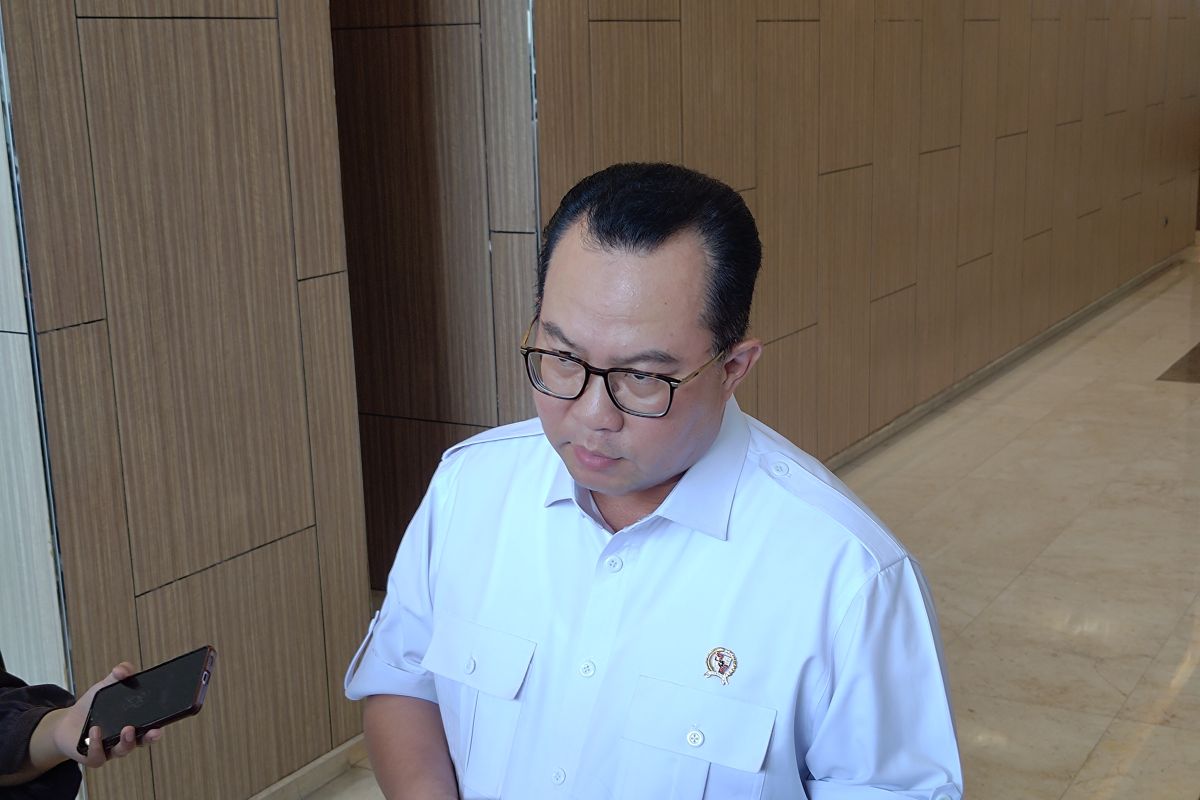
Jakarta (ANTARA) - The National Research and Innovation Agency (BRIN) is developing waste processing technology from household to urban scales to support the acceleration of national waste management.
“BRIN provides four levels of waste technology, from household, village, sub-district to urban,” said BRIN Head Arif Satria at Graha Mandiri, Jakarta, on Monday.
According to him, one technology developed for households is a small composter named Lasamor, used to process organic waste into compost.
Arif said the technology has a relatively affordable price and is easy for the public to implement.
“The one for houses is under Rp1 million. The technology is cheap and easy,” he stated.
In addition, BRIN is also developing fast pyrolysis technology (Faspol) to process plastic waste into fuel for fishermen.
He said the fuel from plastic waste processing has been trialled on fishing boats in Jepara and meets the standards of the Oil and Earth Gas Agency.
“Now many fishermen are using it because the price is cheap, around Rp10,000 per litre compared to diesel at Rp13,000,” he said.
According to him, Faspol technology is currently implemented in 84 districts with small-scale processing capacity.
Arif explained that one kilogram (kg) of plastic waste can be processed into about one litre of fuel.
BRIN is also developing medium-scale waste processing technology at the Integrated Waste Processing Site (TPST) Bantar Gebang with a capacity of around 50 tons per day.
According to him, the technology will continue to be developed to process up to 100 tons per day to support larger-scale waste processing.
“If 100 tons is needed, BRIN has the technology,” Arif revealed.
In addition to waste processing, BRIN is also developing waste sorting and cleaning technology in rivers through the use of waste-cleaning vessels.
Arif said the technology is used to accelerate the lifting of waste in rivers before further processing.
Meanwhile, the government, together with the Investment Management Agency (BPI) Daya Anagata Nusantara (Danantara) and several regional governments, signed an agreement on Monday to accelerate the construction of waste-to-electricity energy processing (PSEL) in six locations.
The government targets the construction of PSEL in 25 locations covering 62 districts/cities with waste emergency conditions or waste accumulation above 1,000 tons per day.
The programme is implemented based on Presidential Regulation No. 109 of 2025 on the acceleration of waste-to-electricity energy processing construction based on environmentally friendly technology.