
BNPP RI Accelerates IPKP Measurement in Tou Lumbis, Highlights Downstreaming and Security
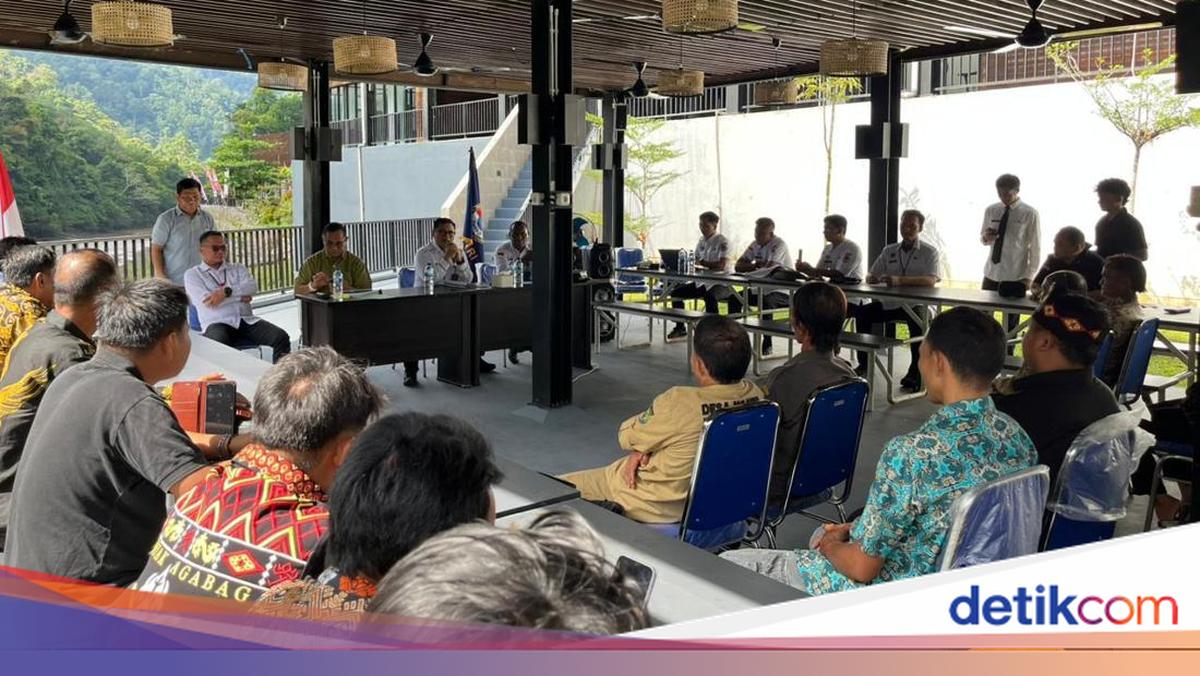
Deputy for Border Area Potential Management at BNPP RI, Inspector General of Police Edfrie R. Maith, stated that the IPKP measurement serves as the basis for synchronising cross-ministerial and agency programmes to accelerate border area development. “This IPKP measurement is not only an evaluation instrument but also a strategic step to ensure that border area development is on target and can improve community welfare,” he said in a written statement on Thursday (7/5/2026). He explained that the Tou Lumbis area has significant natural resource potential, ranging from seaweed, palm oil, blue sapphire gemstones, to cassava. However, this potential is assessed as not yet providing optimal added value because most production outputs are still marketed in raw form. According to him, developing downstream processing is an important solution to enhance the economic competitiveness of border communities. BNPP RI is encouraging the processing of local commodities into higher-value products, such as processed seaweed and tapioca flour from cassava. “The Tou Lumbis area has great economic opportunities. Therefore, it is necessary to promote the development of industries based on local potential through improved production quality, community training, and strengthened raw material sustainability to attract investment and open export opportunities,” he added. BNPP RI also highlighted the high dependence of communities on products from Sabah, Malaysia, especially for basic needs. This situation is exacerbated by the circulation of illegal goods, which is seen to impact border area economic growth. Edfrie assessed that strengthening regulations and export-import governance is an important step to make the flow of goods in border areas more controlled and to favour local products. In addition to economic issues, BNPP RI noted that illegal cross-border activities remain prevalent, including non-procedural migrant workers utilising unofficial routes or ‘rat paths’. Limitations in monitoring facilities, such as the unavailability of patrol boats and adequate immigration facilities, also pose challenges to border control. “Strengthening the roles of the TNI, Police, and Immigration must be accompanied by adequate facility and infrastructure support so that border area monitoring can operate optimally,” Edfrie emphasised. On the other hand, BNPP RI assessed that basic services in Tou Lumbis are still limited, from access to health and education to supporting infrastructure such as roads and docks. This area is also prone to flooding and landslides, requiring special attention, including relocation plans in high-risk zones. As follow-up actions, BNPP RI is preparing several strategic steps, starting from training and certification for seaweed processing, developing industries based on local potential through collaboration with the private sector and CSR, improving the quality of uninhabitable houses (RTLH), providing health personnel in border management post areas (PLBN), to strengthening human resource capacity through educational partnerships and special quotas. BNPP RI will also push for accelerated downstream processing of flagship commodities through technological support, financing, and partnerships, while strengthening cross-sector coordination to ensure effective programme synchronisation. Meanwhile, the Head of the Nunukan Regency Border Area Management Agency (BPPD), Robby Nahak Serang, welcomed the implementation of the IPKP measurement conducted directly by the BNPP RI team in the field. “Tou Lumbis is one of the strategic areas on the Indonesia-Malaysia border. We in the region certainly welcome this IPKP measurement as an evaluation instrument as well as a mapping of future development needs,” he said. Through this accelerated IPKP measurement, BNPP RI reaffirms its commitment to continue promoting the development of the Indonesia-Malaysia border area that is safe, advanced, and competitive, while ensuring that the potential of Tou Lumbis can develop optimally to improve the welfare of Indonesian communities.