
BI: Eid al-Fitr and THR to Support Q1 2026 Economic Growth
JAKARTA, KOMPAS.com — Bank Indonesia (BI) assesses that the momentum of strengthening Indonesia’s economic growth needs to be continuously maintained amid rising global uncertainties, including the impact of the war in the Middle East.
In the first quarter of 2026, Indonesia’s economic growth is expected to increase, with primary support from domestic demand, both household consumption and investment.
BI Governor Perry Warjiyo stated that the strengthening of domestic demand is a key factor in supporting Indonesia’s economic growth at the beginning of this year.
“The momentum of strengthening Indonesia’s economic growth needs to be continuously maintained amid the ongoing war in the Middle East. Indonesia’s economic growth in the first quarter of 2026 will increase, supported by domestic demand,” said Perry during the BI Board of Governors Meeting for March 2026, on Tuesday (17/3/2026).
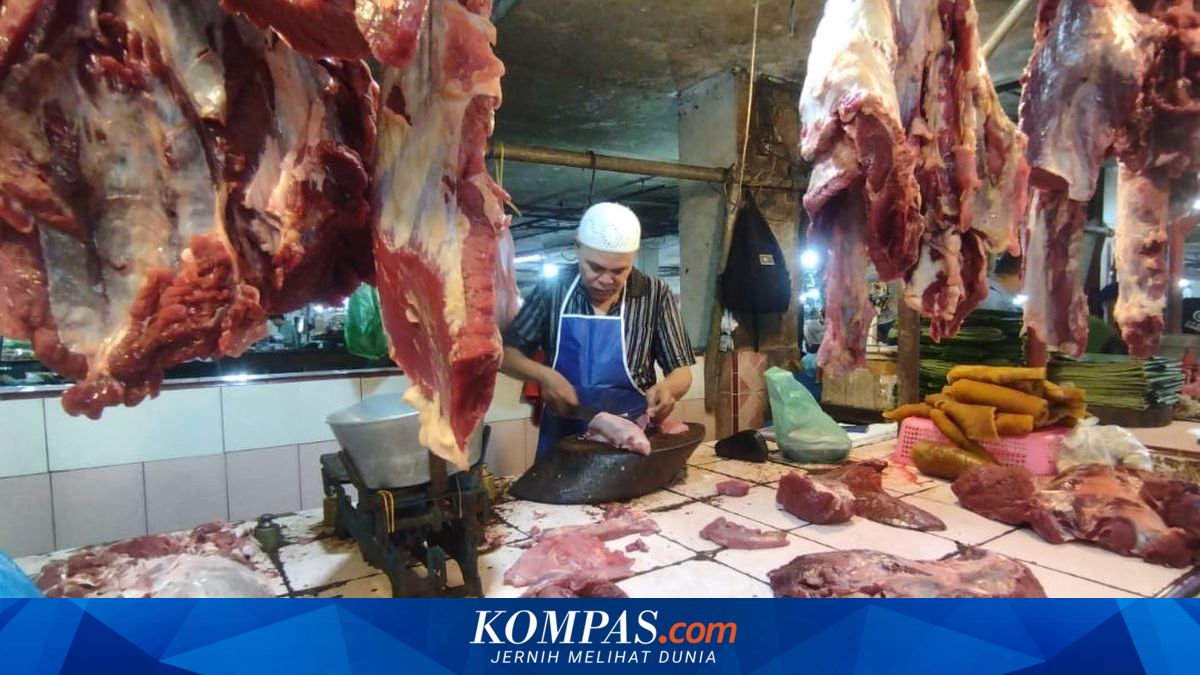
According to him, household consumption is increasing, supported by heightened demand related to the celebration of National Religious Holidays (HBKN).
Additionally, improvements in income for certain income groups are also contributing, particularly those stemming from the provision of Holiday Allowances (THR), government social spending, and various incentives provided by the government.
Perry emphasised that global developments influenced by the conflict in the Middle East have the potential to impact the national economy, particularly through financial market and trade channels.
Therefore, appropriate policy responses are needed to maintain the growth momentum.
“Going forward, the worsening of the global economy and financial markets due to the Middle East war needs to be anticipated and responded to appropriately to maintain the national economic growth momentum,” he said.
“Policy synergy between the government and Bank Indonesia, as well as other stakeholders, will be further strengthened to maintain domestic demand and support economic growth in the range of 4.9 to 5.7 percent,” said Perry.
He also stressed the importance of maintaining the confidence of economic actors, both households and businesses. This confidence is seen as a key factor in ensuring that consumption and investment continue to grow.
In addition, various government programmes that have a strong impact on economic growth and employment absorption continue to be implemented while maintaining fiscal resilience.