
Bekasi Regency Closes Illegal Waste Site in Sriamur, North Tambun, Amid Resident Concerns
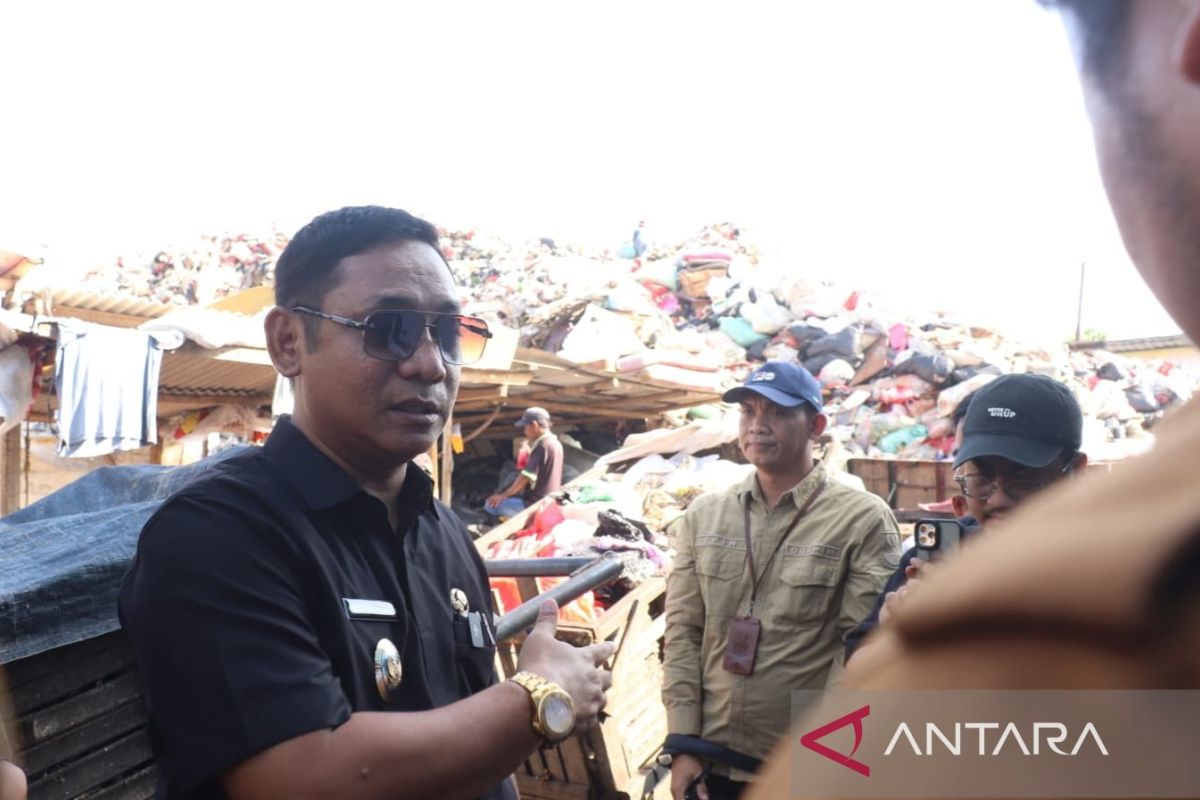
Bekasi Regency (ANTARA) - The Bekasi Regency Government in West Java has closed an illegal Waste Disposal Site (TPS) that was disturbing residents of Sriamur Village, North Tambun District, as a swift response to follow up on public complaints regarding the negative impacts of activities at the location.
“Today I visited Sriamur Village following community complaints. Since the impacts are already felt by residents, especially related to health due to poor air quality, we will temporarily close waste disposal here,” said Acting Regent (Plt) of Bekasi Asep Surya Atmaja at the location on Tuesday.
The illegal TPS has been operating for over a decade and has frequently been complained about by residents because it causes unpleasant odours and affects health.
Asep emphasised that the regency government will immediately halt waste disposal activities at the site. The Environment Agency (DLH) has also been instructed to transport all the piled-up waste.
He also opened opportunities for residents who wish to manage waste as a business, but with the condition that it meets legality aspects and does not cause pollution.
“If the community wants to engage in waste processing business, please do. But it must comply with regulations, not pollute the environment, and have clear permits. We will coordinate with DLH and licensing,” he said.
According to him, the waste issue in Bekasi Regency is currently at an emergency level, requiring concrete and collaborative steps, such as options for cooperation with the private sector up to the Waste Processing to Electricity Energy Programme (PSEL).
Meanwhile, North Tambun District Head Najmudin stated that the initial steps after closing activities at the location are to ensure all waste is transported, while increasing supervision to prevent illegal dumping again.
“If in the future there are parties who want to manage it officially and meet the permits, it can certainly be coordinated. The important thing is there is permission from the government and it does not cause negative impacts to the environment or residents,” he said.