
20,000 School-Dropout Children Return to Education Through Sekolah Rakyat Programme
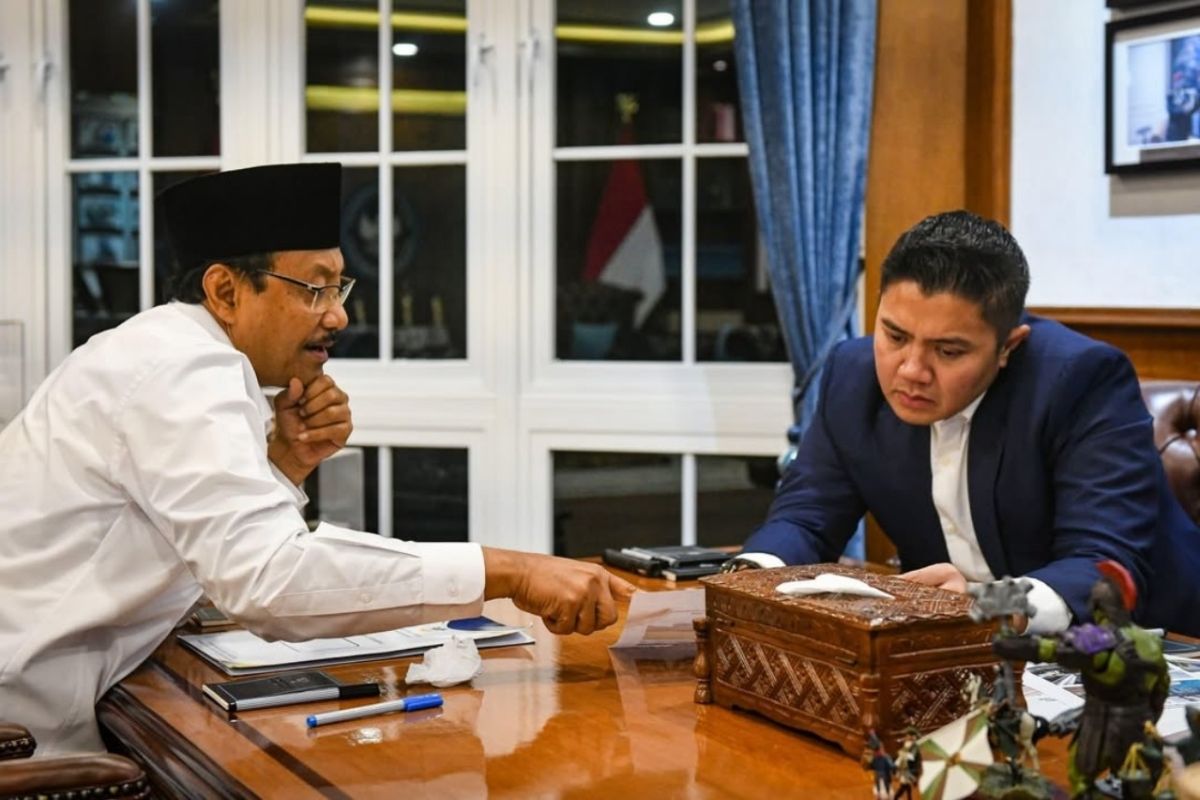
Jakarta – Approximately 20,000 children who had previously dropped out of school have returned to education through the Sekolah Rakyat programme, which is being implemented by the Ministry of Social Affairs over the past year.
This was discussed during a meeting between Cabinet Secretary Teddy Indra Wijaya and Minister of Social Affairs Saifullah Yusuf at the Cabinet Secretariat office in Jakarta on Thursday, 12 March, at approximately 23:30 WIB.
As posted on the Cabinet Secretariat’s Instagram account on Friday, the visit by the Minister of Social Affairs also served to report on the progress of the Sekolah Rakyat programme.
“Praise be to God, in this past year almost 20,000 school-dropout children have been able to return to school,” the post stated.
Beyond gaining access to education, the children also receive adequate housing facilities, food, nutritional support, and health insurance coverage.
The People’s School programme is being implemented as part of the government’s effort to ensure that school-age children can obtain access to education.
President Prabowo Subianto has given attention to the issue of children unable to attend school.
The Head of State is working to ensure that no more children who should be in school are denied the opportunity for education, and is pushing to ensure that children do not live and seek livelihoods on the streets.
“President Prabowo does not want any more children who should be attending school to be unable to do so, nor does he want children to have to live, seek food, and stay on the streets,” the post stated.
The People’s School programme is planned to be expanded annually with the hope of having a broader impact on Indonesia’s young generation.
The Sekolah Rakyat programme is a flagship education initiative from President Prabowo, designed as a free boarding school to break the cycle of poverty through quality education.
This programme specifically targets children from low-income families, street children, and vulnerable groups throughout Indonesia.