
Zurich begins receiving Umrah insurance claims following Middle East conflict
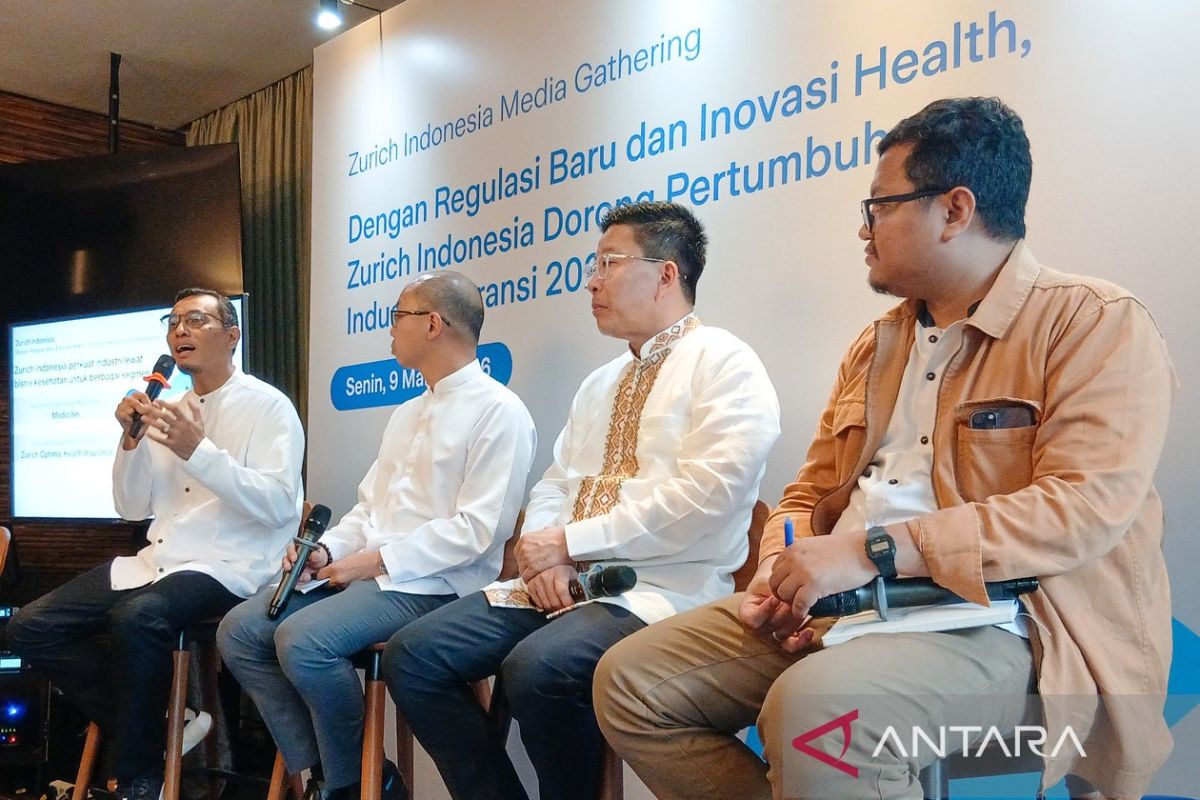
Jakarta (ANTARA) — The Managing Director of PT Zurich General Takaful Indonesia (Zurich Syariah), Hilman Simanjuntak, has stated that the company has begun receiving insurance claims from Indonesian Umrah pilgrims affected by the US-Israel-Iran conflict in the Middle East.
“From a claims perspective, we have already received several reports from our customers impacted by events in the Middle East,” said Hilman following his attendance at the One Zurich Iftar 2026 event in Jakarta on Monday (9 March 2026).
He explained that claims are primarily due to customers cancelling their Umrah pilgrimages owing to deteriorating security conditions in the Middle East region. Travel warnings discouraging visits to the area have prompted many pilgrims to reschedule or cancel their plans to worship in the Holy Land.
However, he was unable to provide specific details on the number of claims received so far, as the company is still processing data and claims are expected to increase as the conflict in the Middle East escalates. To anticipate a potential surge in claims and demonstrate the company’s commitment to assisting customers during this emergency situation, Hilman instructed his team to expedite claims response times.
“Naturally, the claims process will proceed in accordance with the terms of the policies in force and our claims team is responding swiftly, particularly in circumstances such as these,” he said.
Regarding the war’s impact on the company’s business, Hilman noted there is potential for decreased demand for travel insurance products.
“I am quite confident that some Umrah pilgrims will feel this is not the right time to travel for Umrah, which is very reasonable. So yes, there might be a slight impact, but we cannot assess this at present,” Hilman said.
On the same occasion, economist Nailul Huda from the Center of Economic and Law Studies (CELIOS) assessed that the US-Israel-Iran conflict could drive increased demand for marine cargo insurance to mitigate significant risks in logistics and shipping operations. He stated that the tense situation in international waters, particularly the Strait of Hormuz, which is a major global oil shipping route, requires many shipping companies to strengthen cargo protection.
Additionally, he highlighted that the impact of current geopolitical tensions and global economic shocks could also drive a rise in medical inflation. This is because soaring prices for medicines and medical equipment, most of which are imported from abroad, are triggering imported inflation.
He advised the public to obtain health insurance to prepare for the impact of such economic uncertainty. “People with high awareness will strengthen their insurance product benefits because of this uncertainty,” said Nailul.