
Zakat Can Reduce Your Tax Bill: Here Are the Rules
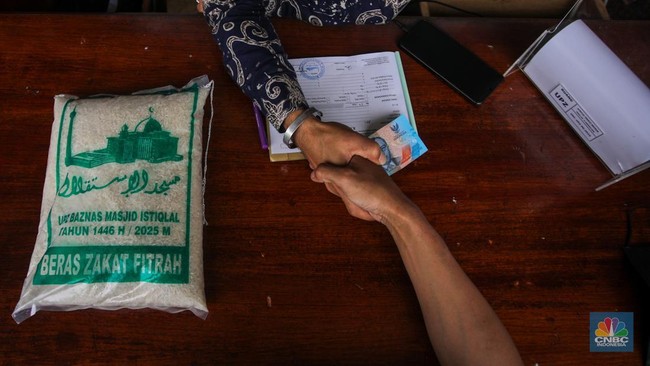
As Ramadan draws to a close and Muslims prepare for Eid prayers, many faithful fulfil their obligation to pay zakat, a cornerstone of Islamic religious practice. This year, the holy month coincides with the annual tax return reporting period, which concludes on 31 March 2026.
Zakat payments can be included as a component in annual tax return filings, and notably, these payments can reduce your tax burden. This provision is outlined in the Ministry of Finance Regulation Number 114 of 2025, which states that zakat or mandatory religious contributions can be deducted from the taxpayer’s gross income, provided specific requirements are met.
According to the regulation, zakat is exempt from taxation when paid to a zakat collection body or charitable institution established or approved by the government. Importantly, this tax reduction benefit is available not only to Muslims but to all taxpayers, provided the zakat is paid to a government-approved body or institution using the same mechanism.
The latest list of eligible institutions can be found in the attachment to the Director General of Taxation Regulation Number PER-3/PJ/2024 concerning Bodies or Institutions Established or Approved by the Government Designated as Recipients of Zakat or Mandatory Religious Contributions Deductible from Gross Income. This regulation now includes 317 approved bodies and institutions, a significant increase from just 20 in 2011.
The following categories of zakat qualify as tax deductions, as stated on the BAZNAS (National Zakat Agency) website:
1. Mandatory Zakat
As regulated under Government Regulation No. 60/2010, mandatory zakat that qualifies for tax deduction is zakat fitrah (the obligatory alms given at the end of Ramadan).
2. Zakat Paid Through BAZNAS or LAZ (Zakat Collection Institutions)
Zakat that can reduce income tax must be paid to government-established zakat collection bodies in accordance with Article 22 of Law No. 23/2011, which states: “Zakat paid by the zakat provider (muzaki) to BAZNAS or LAZ shall be deducted from taxable income.”
Article 23 of the law further clarifies: “BAZNAS or LAZ must provide each zakat provider with proof of zakat payment, which shall be used to reduce taxable income.”
Required Elements of Zakat Payment Receipts:
Full name of the taxpayer and their tax identification number
Payment amount
Payment date
Name of the zakat collection body, charitable institution, or religious organisation established and approved by the government
Signature of the official from the zakat collection body, charitable institution, or religious organisation on the receipt, if payment was made directly
Bank officer validation on the receipt if payment was made through bank transfer