
Young Generation Key to Transformation and Strengthening of National Manufacturing
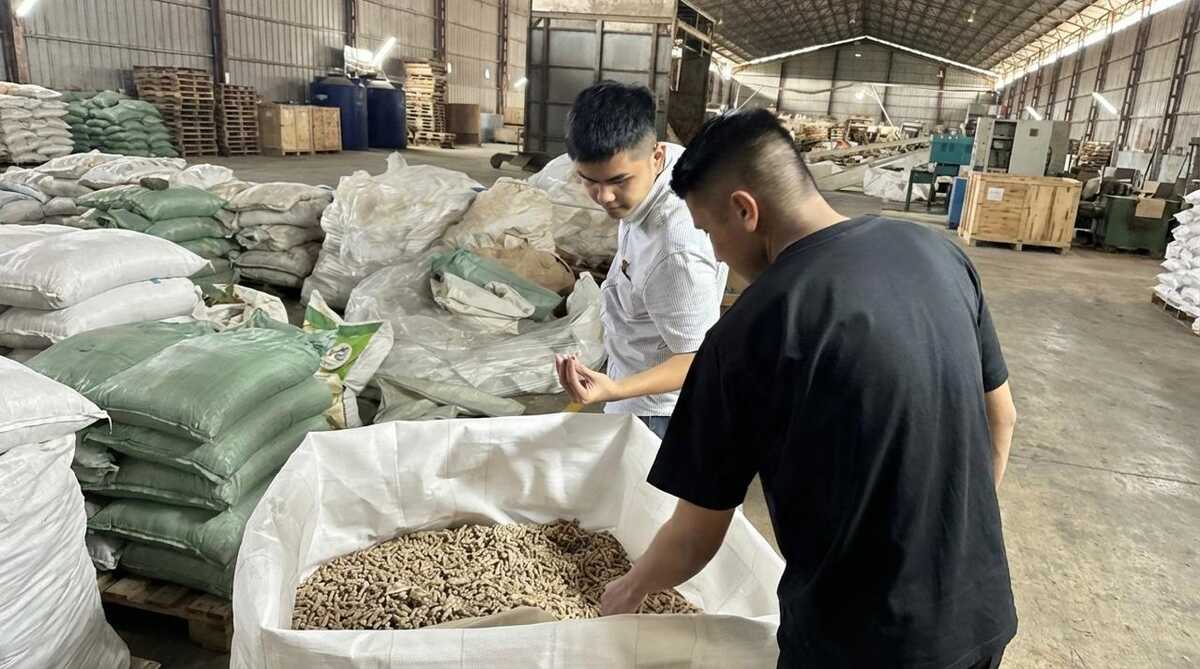
Indonesia’s manufacturing sector now stands on the threshold of major transformation that demands a new approach. Amid accelerating digitalisation, efficiency pressures, and intensifying global competition, the presence of young people with high technology literacy is considered a determining factor in the national industry’s competitiveness.
Manufacturer Eisenhower Rockefeller emphasises that young people play a strategic role as “agents of renewal” for the conventional industrial ecosystem undergoing transformation. According to him, young talent brings new perspectives because they have grown up alongside technology.
“Young people bring new perspectives — they have grown up with technology, understand digital efficiency, and possess rapid adaptability to change. This is an asset that must be maximised in strengthening our manufacturing structure,” said Eisenhower.
At an Industrial Crossroads
Currently, Indonesia’s manufacturing industry stands at a crossroads: either persisting with conventional production models or making a leap towards smart manufacturing based on data, automation, and system integration.
Eisenhower stresses that the adoption of technologies such as the Internet of Things (IoT), Artificial Intelligence (AI) for production optimisation, and supply chain digitalisation are no longer merely topics of discussion but pressing operational necessities.
However, a significant challenge emerges from talent distribution. Many young Indonesians possess strong academic capacity in coding, data analytics, and engineering design, yet they remain concentrated in the digital or service sectors.
“Many of our brilliant young people are concentrated in the digital or service sectors. Yet manufacturing is the backbone of productive economy. This is where real value is created,” he added.
Changing Mindset and Perception
To attract young talent, Eisenhower highlights the importance of changing public perception of the manufacturing industry, which has long been regarded as rigid and non-innovative. He explains that modern manufacturing is actually at the forefront of innovation encompassing precision engineering, energy efficiency, and materials science.
Furthermore, he reminds that technology is merely a tool, whilst the key to success remains with the people implementing it. Young people are expected not only to focus on technology but also to understand field operations, cost structures, logistics, and regulations to create sustainable change.
“Indonesia needs a new generation of industrialists who master technology, understand business, and care about real economic development. This is the moment for them to take on this role,” concluded Eisenhower.
Through developing a technology-based manufacturing ecosystem, it is hoped that a new generation of industrialists will emerge capable of strengthening national industrial structure for long-term economic sustainability.