
Yogyakarta Labour Department Receives Dozens of Complaints Over Religious Holiday Allowance Payments
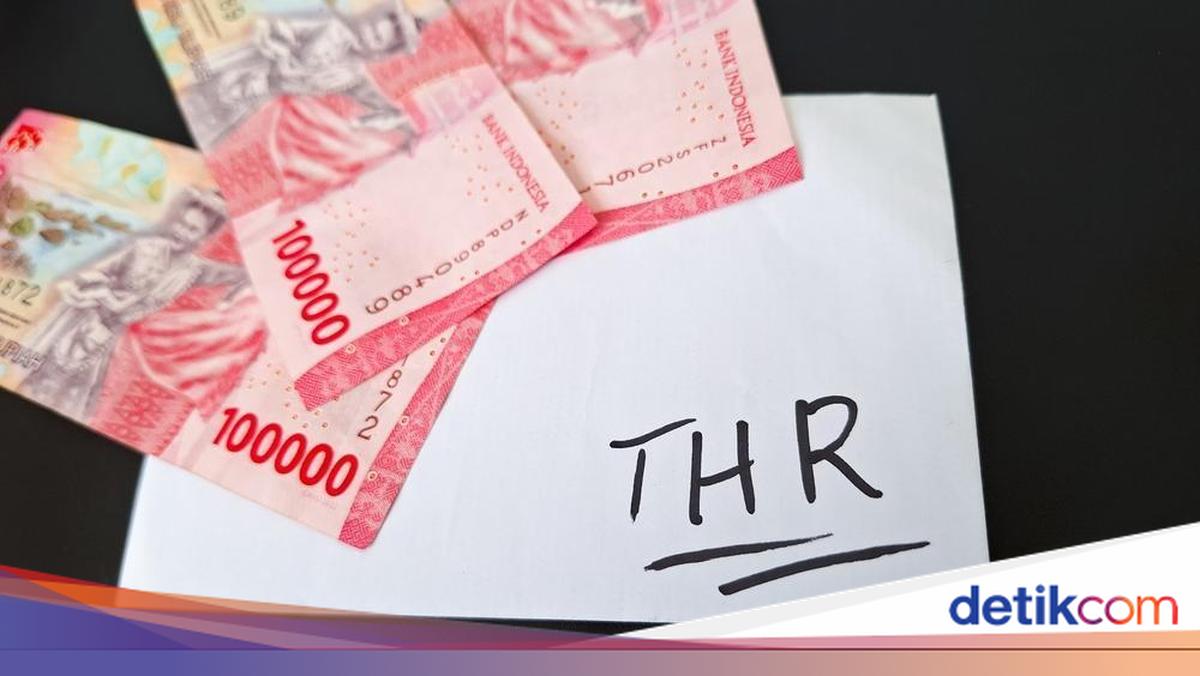
The Yogyakarta Department of Labour and Transmigration (Disnakertrans DIY) has received dozens of complaints regarding Tunjangan Hari Raya (THR) or religious holiday allowance payments. Of the companies complained about, six were also reported for the same issue last year.
Head of Disnakertrans DIY, Ariyanto Wibowo, stated that incoming complaints centre on companies failing to comply with regulations outlined in the Ministry of Labour Circular M/3/HK.04.00/III/2026 regarding the provision of religious holiday allowances in 2026 for workers and employees in companies.
“The average violations involve delayed payments, and matters are still in the bipartite negotiation stage between workers and employers,” Wibowo explained when contacted by detikJogja on Monday (16 March 2026).
Complaints have been submitted through the WhatsApp complaint centre and the official complaint website. According to Wibowo, all complaints have been followed up by his office.
“Through the WhatsApp complaint centre, 11 company complaints regarding THR have been received, with 4 companies resolved and 7 to be escalated for enforcement action by labour inspectors,” he stated.
“Twenty-four complaints have been submitted through the online Ministry of Labour complaints portal. Labour inspectors are currently conducting enforcement actions at the companies,” Wibowo added.
Of the dozens of reports received this year, Wibowo noted that six companies were also reported last year for the same issue. However, according to him, these six companies avoided sanctions because they had already fulfilled their obligations.
“There are 6 companies; since the issues from last year have been resolved, complaints filed this year will undergo the same process, with THR being paid to employees,” Wibowo explained.
Currently, Wibowo stated, his office is conducting enforcement actions by visiting complained companies to resolve their obligations. If companies fail to comply, administrative sanctions will be applied.
“These include written warnings, restriction of business activities, temporary suspension of some or all production equipment, and freezing of business operations,” he concluded.