
YKAN Strengthens Collaboration to Support Marine Conservation through Sasi Practices
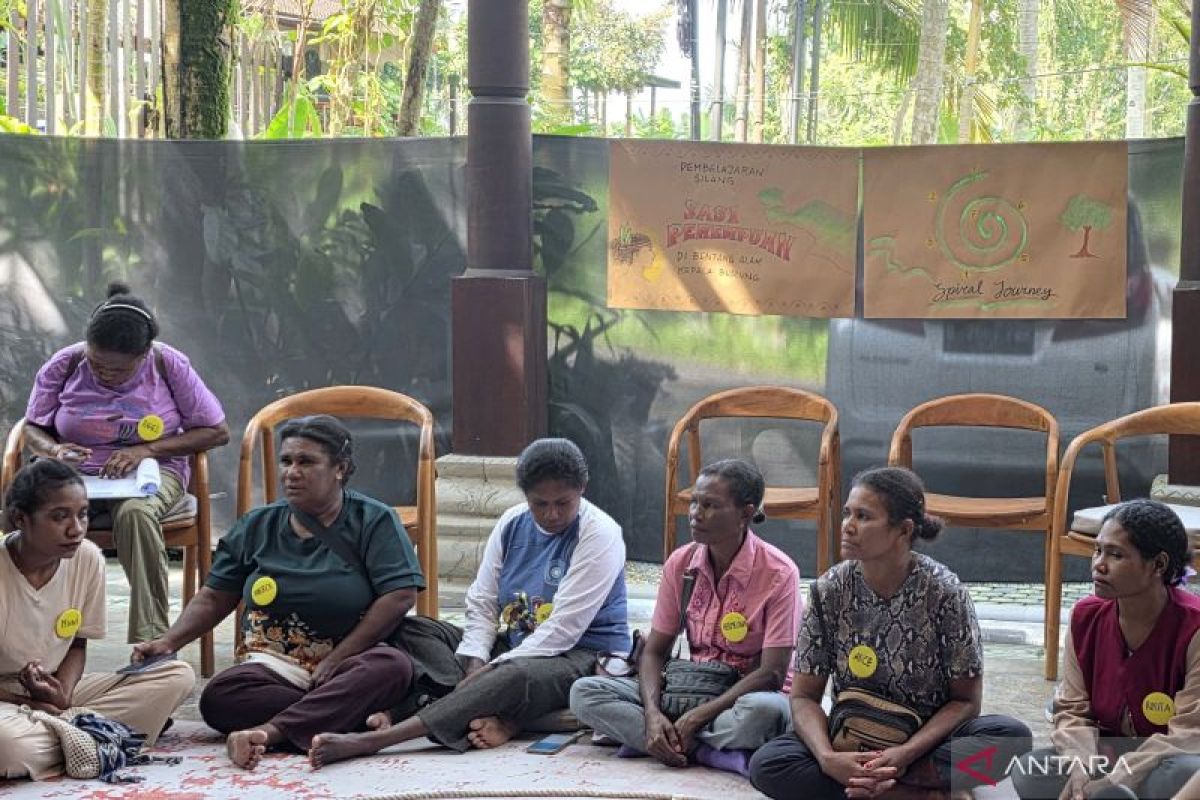
Gianyar, Bali (ANTARA) - The Nature Conservancy Indonesia (YKAN) is strengthening collaboration and synergy with various parties to support the conservation of traditional and customary practices for sustainable natural resource management, both on land and at sea (sasi), carried out by women.
YKAN’s Marine Programme Manager, Hilda Lionata, stated that they are not only working to conserve the sea through the regeneration of sasi practices but also striving to institutionalise these customary practices so that each group is officially registered with the local government.
“So that is one of our exit strategies. These sasi groups must have legal standing in the village, must be registered groups in the village, have a village decree, have an NPWP, and have a savings book. We accompany them until they complete this process. Because all government assistance requires the group to have these three,” said Hilda during the Women’s Sasi Groups Learning Exchange from Three Villages in Raja Ampat Regency at Ubud Village, Gianyar Regency, Bali Province, on Thursday.
Over the course of a year, she said, the women practising sasi, who are mostly elderly, will receive training from various parties, not only related to understanding how to protect the sea but also optimising economic value when the sasi practice is opened.
“But specifically for this year, we want to consolidate the women first. Because we want to make them trainers. In the second year, they will go around to the men’s groups and clan bases. They will teach, it will no longer be YKAN teaching,” she said.
By regenerating the sasi practice, she continued, the local community avoids taking marine biota excessively using environmentally destructive fishing gear.
“The next generation must do it. Because sasi can protect all marine biota. If there is a sea that we do not sasi, it can become extinct. But if people there practise sasi, they cannot take every fish or shellfish on the beach. So sasi is called a protector,” said Almina.