
Xiaomi Tops Global Wearables Market, Apple and Huawei Still Far Behind
Xiaomi Tops Global Wearables Market as Apple and Huawei Lag Behind
Jakarta – CNBC Indonesia – Xiaomi has again claimed the top spot in the global wearables market after a five-year absence from the summit. Based on the latest data from Omdia, global wearables shipments in 2025 reached 200 million units, up 6% year on year.
Xiaomi recorded a market share of 18% of total global shipments. This edged ahead of Apple with 17% and Huawei with 16%. The gap among the top three is less than one percentage point, reflecting intense competition.
Meanwhile, Samsung and Garmin complete the top five with market shares of 9% and 5% respectively.
Omdia Research Manager Cynthia Chen said the competitive landscape has changed. According to her, wearables are no longer driven solely by specifications such as displays, sensors or battery life; the differentiator now lies in ecosystem strength.
As wearables become more integrated with phones, tablets, cars and smart homes, user loyalty rises. In this context, Xiaomi is seen as having leveraged a broad product portfolio strategy.
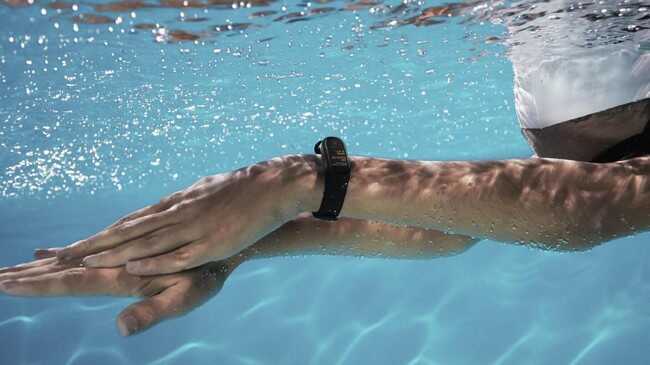
The Mi Band line continues to record high volumes in the affordable segment, while entry-level smartwatches help lift the average selling price without Xiaomi having to push too aggressively into the premium segment.
The “Human × Car × Home” strategy employed by Xiaomi also strengthens cross‑device integration within its ecosystem, Gizmochina quoted on Wednesday 4 March 2026.
On the other hand, Apple remains dominant in the premium segment. Its close integration with the iPhone, high-end device quality and continuously evolving health features are among the company’s main strengths. Huawei also shows solid performance, particularly in the China market, focusing on professional sports tracking and health technology.
Global wearables trends also show a shift toward health features. Whereas devices used to be limited to step counting and heart rate, they now offer continuous health monitoring with more advanced metrics. Some manufacturers are even developing lighter, more minimalist designs to support 24‑hour usage.
With the margin between the top three markets now very narrow, the competitive landscape for 2026 is expected to remain highly dynamic, depending on who can build the strongest ecosystem around their devices.