
Wuling Promotes CCS2 Adoption: Fast Charging for EVs Gains Popularity in Indonesia
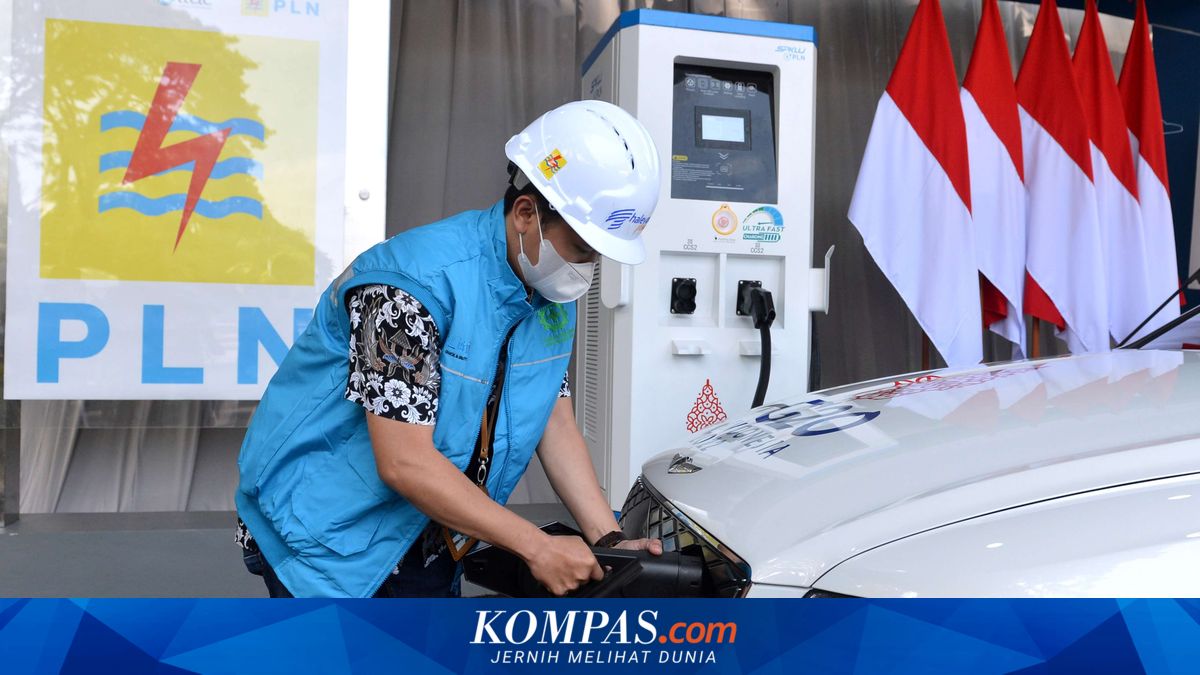
JAKARTA – The need for fast charging on electric vehicles in Indonesia is showing an upward trend, in line with the increasing number of electric vehicle users and the expansion of infrastructure.
This situation has also caught the attention of Wuling Motors in formulating future product development strategies, including opportunities to expand the adoption of the CCS2 fast charging standard (Combined Charging System Type 2).
CCS2 is a connector system that supports fast charging (DC fast charging) and is now increasingly commonly used in modern electric vehicles.
“Some of our products already provide CCS2 core charging. So the Mitra EV and Darion also use CCS2,” said Ricky in Jakarta recently.
This trend is also evident from the steps taken by several manufacturers, particularly Chinese brands, which are beginning to incorporate CCS2 more widely in their electric vehicle lines.
This makes this fast charging standard increasingly heading towards becoming the new benchmark in the industry.
On the other hand, the development of Public Electric Vehicle Charging Stations (SPKLU) in various regions is also becoming more extensive.
The wider availability of fast charging facilities encourages consumer demand for vehicles compatible with that system.
However, the implementation of CCS2 in Wuling’s product line has not yet been carried out comprehensively.
The manufacturer is still considering consumer needs and the basic concept of each vehicle before adopting it more widely.
“The Air EV actually carries the concept of home charging. So the focus is not on charging speed, but on flexibility to be charged at home and also using lower power,” said Ricky.
However, amid the developing fast charging trend and pressure from competitors, Wuling acknowledges that CCS2 adoption is one of the important aspects considered in the development of future electric vehicles.
Going forward, Wuling is open to the possibility of expanding the use of CCS2 in its new models, especially if the need for fast charging increases among consumers.
Although there is currently no concrete plan for the Air EV, that option remains part of the product development evaluation in the future.