
Worshipping War, Longing for Peace: Si Vis Pacem Para Bellum
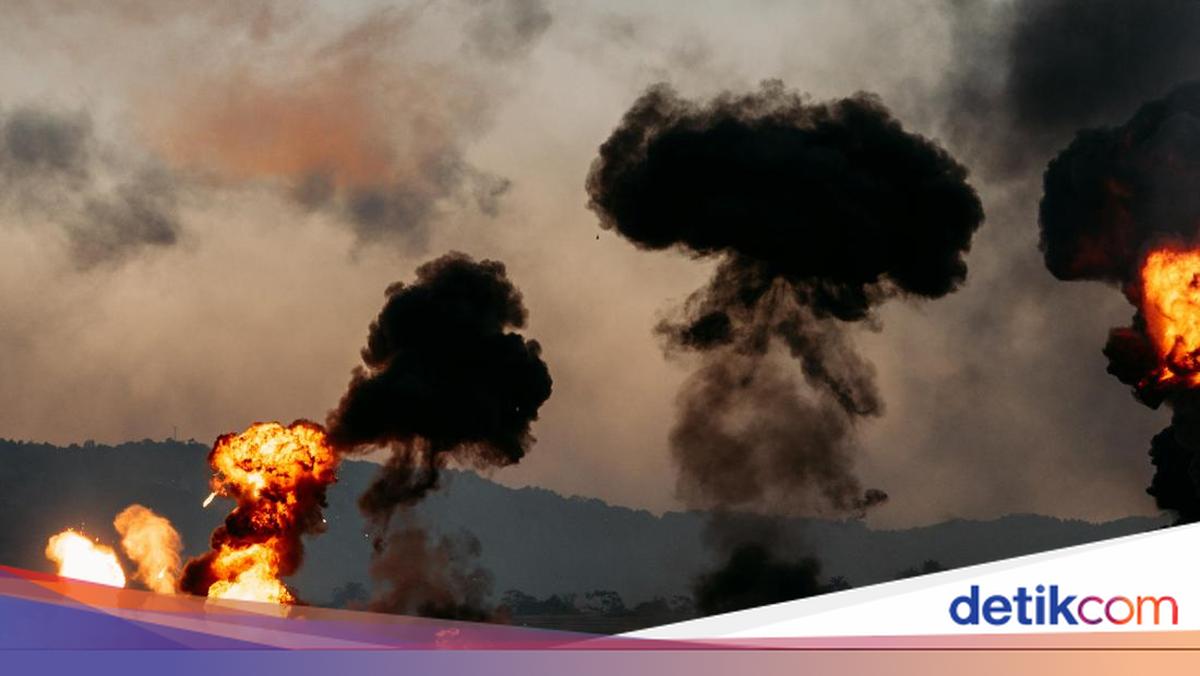
If you desire peace, prepare for peace: understanding Si Vis Pacem Para Bellum
“If you desire peace, prepare for war.” This phrase echoed through a darkened cinema as John Wick—the Baba Yaga—took up arms once more in the third installment, Parabellum. For most viewers, the phrase sounded heroic, a justification for violence in pursuit of tranquility. Yet as we step out of the theatre and scan today’s headlines, this Latin maxim no longer feels like action fiction. It feels like a haunting warning.
From the burning Strait of Hormuz to the ravaged grasslands of Ukraine, the world appears to be following this ancient dictum with deadly obedience. The world holds its breath, witnessing how “preparation for war” instead gives birth to war itself. But do we truly understand what the originator of this phrase meant? Or are we trapped in a fatal historical misunderstanding?
Not a Call to War: Finding the Author
Many assume Si Vis Pacem Para Bellum is the slogan of a bloodthirsty general. Yet this phrase did not come from the mouth of a conqueror, but from the pen of a Roman military theorist named Publius Flavius Vegetius Renatus in the late fourth century AD.
In his work, Epitoma Rei Militaris, the original context is far from glorifying aggression. The full phrase is “Igitur qui desiderat pacem, praeparet bellum.” Literally translated: “Therefore, whoever desires peace should prepare for war.”
This distinction is not merely wordplay. The word praeparet (should prepare) uses the subjunctive form in Latin grammar, which indicates a possibility, aspiration, or moral obligation, not an absolute command.
Vegetius wrote this as the Roman Empire was in decline. For him, preparation for war was not about seeking enemies, but about deterrence. The true meaning was that a strong, organised military is an instrument of prevention, discouraging others from initiating conflict.
Ironically, Vegetius emphasised that well-trained soldiers are those most reluctant to wage war, because they understand precisely the cost of destruction. The essence, therefore, is not about “let us attack,” but rather “we must ensure we cannot be attacked.”
Geopolitics: When Prevention Becomes Provocation
Yet the boundary between “preparing” and “initiating” has grown increasingly blurred in global affairs in recent years. Today’s world is a vast laboratory for Vegetius’s maxim, but in a far darker version.
Open conflict between the United States and Israel against Iran reached a nadir following the deaths of Tehran’s senior officials. Iran’s closure of the Strait of Hormuz—a vital passage through which 20% of the world’s oil flows—is not mere bluffing. It is a stranglehold on the world’s economic lifeblood. Meanwhile, the smouldering embers of the Russia-Ukraine conflict, compounded by new Pakistan-Afghanistan tensions, create a domino effect dragging Saudi Arabia, the UAE, Bahrain, Jordan, and Qatar into a state of maximum alert.
Here, Si Vis Pacem Para Bellum transforms into a paradox. When everyone “prepares for war” in order to “desire peace,” what emerges is not peace, but a security dilemma. As one nation strengthens itself to feel secure, its neighbour feels threatened and strengthens itself in turn. The result? A vicious circle leading to collective destruction.
The Antithesis: Is There Another Way?
If Si Vis Pacem Para Bellum feels too cold and militaristic, Latin history also harbours a compelling counter-narrative. In 1919, coinciding with the establishment of the International Labour Organization (ILO), a new motto was introduced: Si vis pacem, cole justitiam. It means “if you desire peace, cultivate justice.”
A revolutionary statement. World leaders in the aftermath of World War I recognised that lasting peace cannot be built upon piles of weapons, but rather upon the foundation of social justice. When Middle Eastern nations prepare for war, the true roots often lie in injustice: resources controlled by an elite few, widening inequality, and neglected popular aspirations.
In Indonesia, cole justitiam (cultivate justice) could mean ensuring energy benefits more than a handful, strengthening domestic industry, building food security, and creating an economic system resilient to global shocks. This is “preparation for war” in its truest sense: building a nation strong from within.
There is also the maxim si vis pacem, para pacem (if you desire peace, prepare peace). This concept offers an approach through diplomacy, healthy economic interdependence, and social justice. If we continually construct bunkers, we shall spend our lives underground. If we build bridges, we have a chance to walk across them.
We stand at an extremely narrow crossroads of history. On one side, the brutal reality of geopolitics compels us to sharpen our swords. On the other, humanity cries out for negotiating tables.
John Wick employs the principle of Parabellum (total, brutal war) because he is an assassin with no other choice in a black-and-white criminal world. But nations and world leaders are not hired killers in action films. They bear responsibility for millions of innocent lives.
Understanding Si Vis Pacem Para Bellum blindly will only lead us toward the destruction Vegetius foresaw. We must understand that the most genuine “preparation” is not about how many enemy lives we can take, but how long we can endure without sacrificing a single life.
Because, ultimately, one thing is certain in every war: the victorious side still weeps whilst burying their soldiers.
So if the world continues to cry “Para Bellum!” today, perhaps it is time to whisper instead: para pacem.