
World Women's Day Highlights the Urgency of Dementia Prevention for Older Women
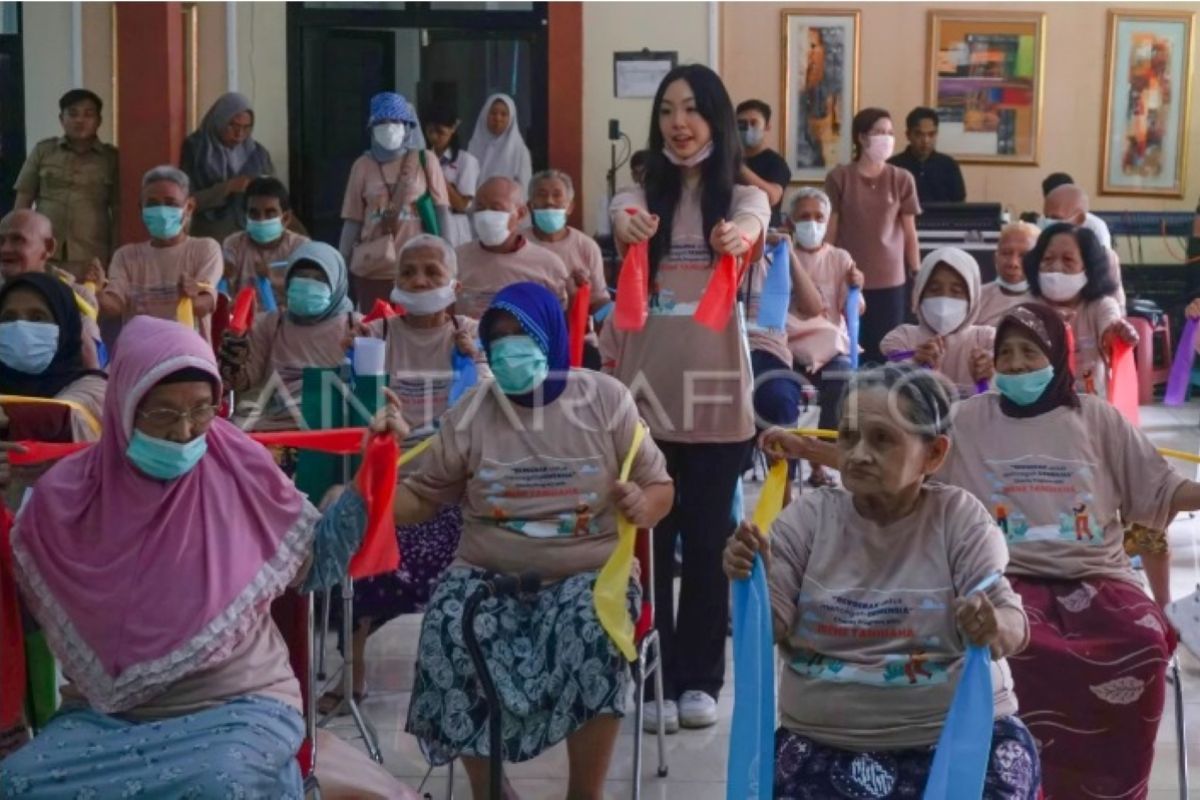
Jakarta (ANTARA) - The Ministry of Health says that World Women’s Day 2026, themed Give to Gain, is a strategic moment to highlight the health of older women and the urgency of dementia prevention, considering the proportion of dementia cases is higher in women due to a range of factors.
Director of Health Services for Vulnerable Groups, Ministry of Health, Imran Pambudi, said in Jakarta on Sunday that globally, dementia has become a major public health issue. Tens of millions of people live with the condition, and the number is projected to rise sharply as the population ages.
“In many studies and evidence summaries, women bear a greater share of dementia cases than men; for Alzheimer’s, about two-thirds of cases are reported to occur in women. This difference is not only because women live longer, but also because of a combination of biological, social, and economic factors that lower cognitive reserve in older generations of women,” Imran said.
He noted that international projections show a significant rise in the coming decades, so the social, economic, and health service burdens will continue to grow if prevention and care steps are not strengthened.
Additionally, he said, the increase in the number of people with dementia is progressing faster in low- and middle-income countries, including many countries in Southeast Asia. Driving factors include rising life expectancy, increasing prevalence of cardiometabolic risk factors, and limited access to education and health services.
“In this region, older women often face double barriers—less access to services and the burden of family roles—so gender-sensitive prevention interventions are essential,” he said.
The Lancet Commission 2020 report ‘Dementia prevention, intervention, and care’ summarises strong evidence that there are 12 modifiable dementia risk factors across life. The report concludes that interventions on these factors can prevent or delay a large proportion of dementia cases.
In Indonesia, he noted, population studies show prevalence of dementia among the elderly varies depending on method and location, with reported ranges in the elderly population being quite wide.
National patterns are consistent with global findings, where more women are affected. Local factors such as intergenerational differences in education levels, access to primary health services, and the burden on women as caregivers reinforce the need for prevention programmes targeting women, including blood pressure screening, hearing checks, and community physical activity programmes.
He added that, from the Lancet Commission report, several prevention steps most relevant and implementable at individual and community levels include controlling blood pressure from the age of about 30, regular physical activity, as well as cognitive stimulation and lifelong education, for example through courses.
According to him, with tangible investment in resources, attention, and policy, from prevention to holistic post-diagnosis care, every stakeholder has a complementary role in reducing the dementia burden on women, from government to society.
“In other words, when society, policy, and families give proper attention and resources, we all benefit from reduced dementia burden and improved quality of life for women and their families,” he said.