
World Oil Price Breaches US$100 per Barrel, Red Alert for 2026 State Budget
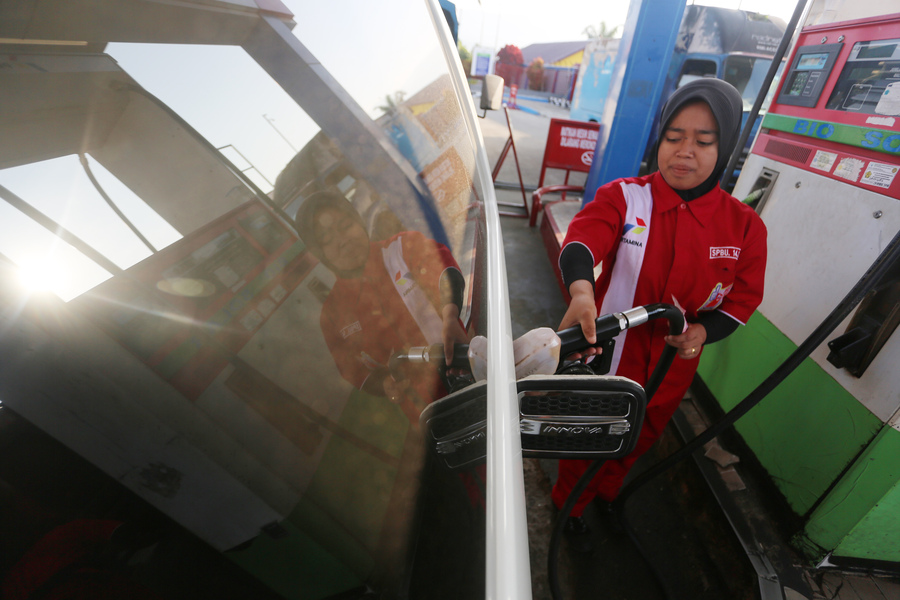
World crude oil prices have officially breached the psychological US$100 per barrel level during trading on Sunday (8 March). This surge marks the highest level in the past two years, following escalating conflict in the Middle East as tensions between the United States and Israel against Iran continue uncontrollably.
Based on global market data, Brent crude oil has risen sharply past US$100, whilst West Texas Intermediate (WTI) is tracking at around US$96 per barrel. This situation has been triggered by the paralysis of shipping activities in the Strait of Hormuz, a passage that supplies approximately 20% of the world’s energy needs.
The conflict, which has intensified over the past week, reached its peak after Iran threatened to completely close the Strait of Hormuz to tankers affiliated with Western nations. “The worst-case scenario is unfolding before our eyes. The closure of this passage has left approximately 140 million barrels of oil stranded and unable to reach the market,” according to global energy analysts.
As a result, oil refineries worldwide are scrambling to find alternative supplies, which automatically pushes prices to levels that are deeply concerning for oil-importing nations, including Indonesia.
This increase represents a serious threat to Indonesia’s fiscal sustainability. In the 2026 state budget framework, the government set an assumption for Indonesian crude oil prices (ICP) of only US$70 per barrel. With market prices now touching US$100, there is a US$30 gap that must be absorbed by the state treasury.
Economist Noviardi Ferzi explained that every US$1 increase above the budget assumption could potentially add approximately Rp6.7 trillion to energy subsidy burdens. “If prices remain elevated for an extended period, additional subsidy burdens could balloon to Rp201 trillion. This would push the budget deficit beyond the safe 3% threshold,” he said.
Finance Minister Purbaya Yudhi Sadewa previously signalled that the government continues to monitor movements in oil prices. Although national fuel stocks are assured safe for the next 20 days, adjusting subsidised fuel prices such as Pertalite and Biosolar remains a last resort option if fiscal space becomes insufficient.
“If the budget is simply not strong enough, there is no other way; we must share the burden with the public. This means there is potential for price adjustments if world oil prices remain elevated,” Purbaya stated in his official remarks some time ago.
Currently, Pertalite prices remain fixed at Rp10,000 per litre and Biosolar at Rp6,800 per litre. However, the rise in world oil prices to US$100 levels is predicted to trigger inflation if not quickly mitigated through appropriate fiscal policy.