
World Kidney Day: Dialysis Patient Community Demands Healthcare Service Reform and Treatment Option Transparency
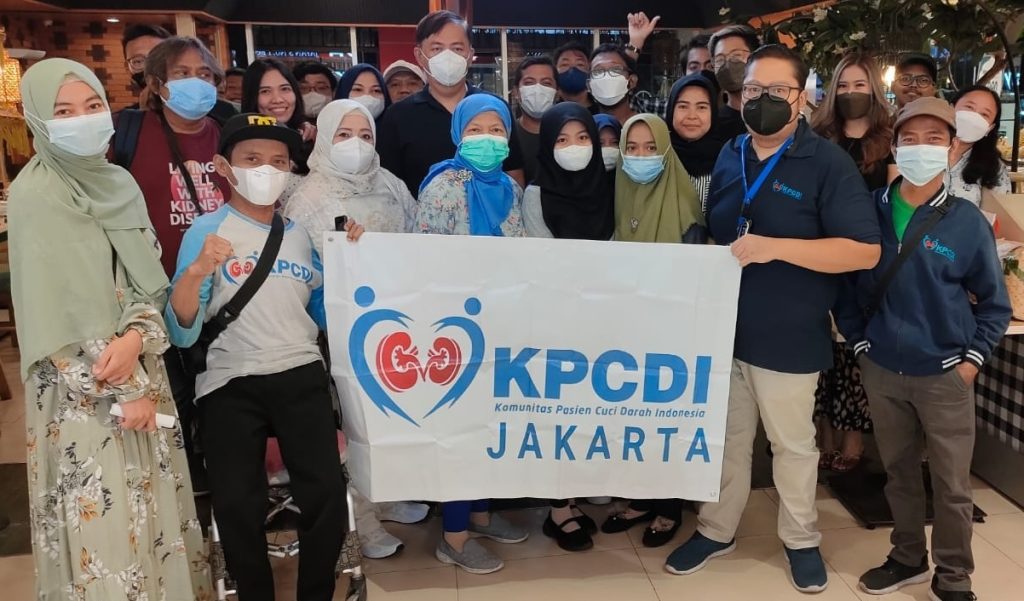
On the occasion of World Kidney Day, which falls on the second Thursday of March, Indonesia’s Dialysis Patient Community (KPCDI) has emphasised the importance of strengthening education regarding various therapy options for patients in order to enhance quality of life and sustain the national health insurance system.
KPCDI is leveraging this significant moment to reassess the direction of kidney healthcare service policy in Indonesia, in line with the global theme “Kidney Health for All: Caring for People, Protecting the Planet”.
KPCDI contends that the government has failed to provide transparent information regarding kidney replacement therapy options. This situation has trapped patients in haemodialysis (HD) services and triggered uncontrolled budget expansion for BPJS Kesehatan.
KPCDI Chairman Tony Richard Samosir revealed that data from the Indonesian Renal Registry (IRR) 2024 recorded 136,793 active patients and 60,034 new patients, of whom 98% undergo only HD therapy. Meanwhile, self-managed therapy options such as Continuous Ambulatory Peritoneal Dialysis (CAPD) cover only 2%, and kidney transplantation rates—which are medically considered the best long-term solution—remain below 1%.
Consequently, Tony sees the need for collaborative steps amongst government, medical professionals and stakeholders to provide more comprehensive information to patients from the moment of initial diagnosis.
“The hope is that every patient receives a complete picture of all available therapy options, whether HD, CAPD, or transplantation. Complete education enables patients to make decisions most suited to their physical condition and lifestyle,” said Tony at the World Kidney Day commemoration in Jakarta on Thursday (12 March).
This therapy diversification approach is also viewed as a strategic strategy in maintaining the stability of national healthcare financing. Data shows the cost burden of kidney disease on BPJS Kesehatan has continued to increase, from Rp6.5 trillion in 2019 to Rp11 trillion in 2024. Through strengthening the Home Dialysis (CAPD) programme and expanding access to transplantation, the pressure on hospital infrastructure capacity is expected to be significantly reduced.
“For years, information inequality regarding kidney replacement therapy has been minimal. In fact, many newly diagnosed patients learn about CAPD or transplantation from fellow patients in the community, rather than from medical professionals or official healthcare services,” he stressed.
Beyond the cost aspect, improving patients’ quality of life remains the primary priority. Given the still-high mortality rate among patients with kidney disorders, KPCDI is pushing for strengthening early detection systems. This is because many newly diagnosed patients only realise their health condition when already in advanced stages.
Through this momentum, synergies to realise more equitable and evenly distributed kidney healthcare services are expected to strengthen. With transparent access to information and diverse therapy options, patients are expected not only to undergo treatment, but also to return to productivity and have better life expectations.