
World Hunts for Coal Amid Energy Crisis, Prices Hit Record High
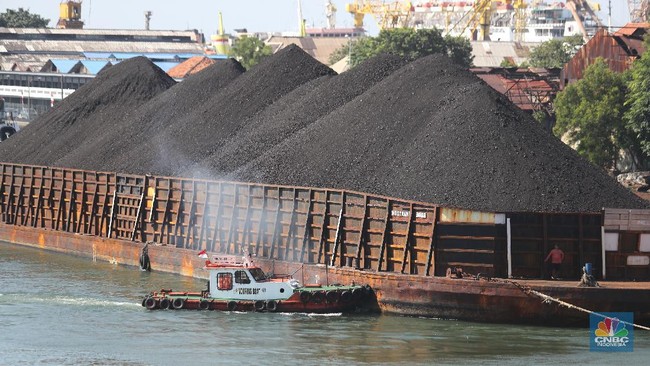
Jakarta, CNBC Indonesia - Coal prices have surged to their highest level since October 2024, or nearly five months ago. According to Refinitiv, coal prices closed at US$146.5 per tonne in Friday’s trading (20/3/2026). This price is the highest since 17 October 2024, or more than five months. Yesterday’s rise in coal prices also extended the positive trend, with prices strengthening by 8.7% over the last three days. Coal prices have jumped amid prolonged disruptions to global oil and gas flows due to conflicts in the Middle East, prompting power plants in major countries to increasingly rely on coal for electricity production. The surge in natural gas prices has also led European countries to ramp up coal-fired power generation, even as renewable energy production increases. European gas futures prices rose by €59 per MWh to a three-year high. Over the past week, prices soared more than 18%. The spike occurred after Iran launched an attack on Qatar’s largest LNG export facility in response to Israel’s strike on Iran’s South Pars gas field. In Australia, the state of New South Wales announced a ban on new coal mine applications as part of its net-zero targets, further tightening supply. New South Wales itself exports most of its thermal coal to power plants in Japan, China, and Taiwan. Thermal coal prices in China are also beginning to show strength, both at the mine-mouth level and at ports. However, behind this rise, the market still harbours significant uncertainties. At the mine level, prices continue to rise in line with improving market sentiment. Expectations of increased electricity demand ahead of summer, coupled with moderate signs of industrial activity recovery, are contributing. Additionally, supply is tending to tighten. The Chinese government has tightened mine safety oversight, impacting production restrictions in several regions. At the same time, coal stocks at power plants are starting to decline, prompting utilities to resume purchases. This combination of factors has caused mine-mouth prices to rise faster than port prices, reflecting strong domestic demand. However, conditions at ports tell a slightly different story. Coal prices at ports have indeed strengthened, but this increase is mainly driven by demand for low-calorific value (low-CV) coal. Utilities and industrial players are opting for this type because it is cheaper and helps contain costs amid economic pressures. On the other hand, import activity remains sluggish. Imported coal from countries like Indonesia and Australia is deemed less competitive compared to domestic supply. Moreover, market participants are tending to be cautious, as industrial recovery is not yet fully solid. This situation indicates that the current rise in Chinese coal prices is more driven by domestic factors than a surge in global demand. Market players are re-entering, but with a very cautious approach. Purchases are being made gradually, signalling that confidence in this upward trend is not yet fully firm. On the other hand, risks remain looming. The Chinese government could potentially intervene if prices rise too high. Additionally, production could be ramped up at any time to maintain market stability. Thus, the current rise in Chinese coal prices more reflects short-term sentiment improvement and supply tightening, rather than strong fundamental changes. This means the strengthening trend has the potential to continue in the short term, but it remains fragile and highly dependent on government policy direction and the strength of domestic economic recovery.