
World Bank: Energy Pressures Trigger Rise in Plastic Prices, Impacting SMEs
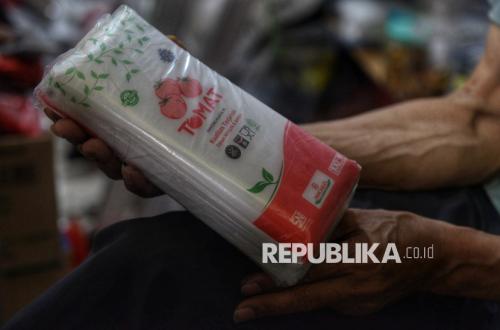
REPUBLIKA.CO.ID, JAKARTA – Global energy price pressures are beginning to spill over into various sectors, including plastic raw materials widely used in business activities. This increase is seen as a chain reaction resulting from geopolitical conflicts and global supply chain disruptions.
In a presentation by the World Bank, Aaditya Mattoo, Chief Economist for East Asia and Pacific, stated that the surge in oil and gas prices has driven up production costs across multiple sectors.
“The rise in energy prices increases production costs, including for energy, fertilisers, and food,” he said, quoted on Thursday (9/4/2026).
Additionally, trade route obstacles and rising transportation costs are further amplifying cost pressures. This situation is pushing up prices of goods, including energy-derived raw materials like plastics.
The World Bank also projects that economic growth in the East Asia and Pacific region will slow in 2026 amid these global pressures.
These cost pressures are also being felt domestically. The Ministry of Finance notes that the manufacturing sector remained in expansion territory in March 2026, though it slowed due to rising input costs and global supply disruptions.
Febrio Kacaribu, Director General of Economic and Fiscal Strategy at the Ministry of Finance, said the cost increases are influenced by rising energy prices and delays in raw material supplies that are constraining production.
On the upstream side, the government acknowledges that the rise in plastic prices is triggered by reliance on imported raw materials. Trade Minister Budi Santoso stated that one of the plastic raw materials, naphtha, is still largely supplied from the Middle East, which is now affected by conflicts.
“Plastic raw materials include naphtha. We import it from the Middle East,” he said at the Presidential Staff Office.
According to him, these supply disruptions are causing prices to rise and impacting various sectors. The government is now seeking alternative supplies from other countries, such as Africa, India, and the United States.
“This takes time, because we can’t immediately switch from one region to another,” he said.
He added that the impact of rising plastic prices is not only felt by producers but also extends to downstream sectors and consumers. “This doesn’t only affect producers. Upstream industries and their consumers are all impacted,” he said.
In agreement, Coordinating Minister for the Economy Airlangga Hartarto said that prices of raw materials like plastics indeed follow the dynamics of the petrochemical industry, which depends on global cycles.
“If raw material prices change, it’s based on cycles, especially for petrochemicals,” said Airlangga.
He warned that this increase could impact businesses, particularly SMEs that use plastic for product packaging.
“If plastic is used in packaging, the effects will reach SMEs as well,” he said.
Economist Yanuar Rizky views this pressure as not only stemming from energy but also spilling over into interconnected sectors, including food.
“This isn’t just about energy, but it’s conjoined with food. The impact is on inflation,” he said.
According to him, this situation ultimately pressures people’s purchasing power, especially the middle class, which has become increasingly vulnerable in recent years.
On the other hand, the World Bank also assesses that rising energy prices have a greater impact on low-income groups because their expenditure share on basic needs is larger.
If the pressures continue, the impacts could widen. The World Bank estimates that rising oil prices could suppress labour incomes in the region by around 3 to 4 percent.
With cost pressures stemming from energy and global factors, the rise in plastic prices is part of a chain reaction that is beginning to be felt by both businesses and the public.