
Work-from-home for the public sector, work productivity, and energy savings
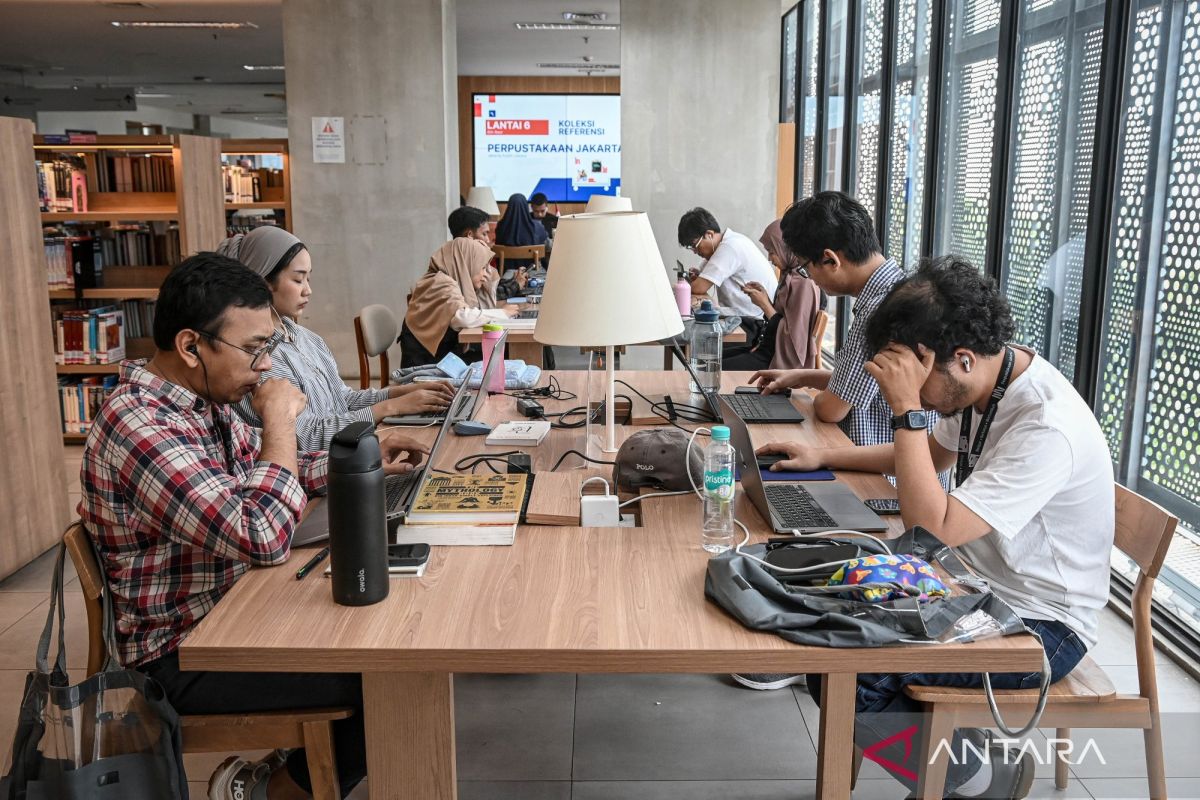
The formulation of flexible work policies is essentially an art of balancing two interests: the drive for efficiency and the responsibility to maintain the economic sustainability of society. Jakarta (ANTARA) - The conflict in the Middle East region has triggered significant disruptions to the global oil and gas supply chain. The International Energy Agency (IEA) assesses that the scale of the disruption could become the largest in the history of the modern energy market. Today’s conditions are increasingly urgent amid rising geopolitical tensions in the Middle East. The closure of the Strait of Hormuz due to conflict involving Israel, the United States (US), and Iran has disrupted the world’s energy supply chain. The impact on us domestically is that Indonesia’s narrow energy reserve space risks threatening domestic stability if the disruption persists for a long time. In the Full Cabinet Session at the State Palace on 13 March 2026, Prabowo Subianto emphasised that the escalation of conflict in the European and Middle East regions has the potential to create layered pressures on the domestic economy, particularly through rising energy prices that ultimately spread to the food sector. In that framework, the President encourages anticipatory steps in the form of efficiency in oil fuel (BBM) consumption to maintain fiscal sustainability amid global uncertainty. One policy option that has re-emerged is the implementation of a flexible work scheme for civil servants (ASN), including work from home (WFH) or reduced working days as an instrument for controlling mobility and energy consumption. COVID-19 Era