
Work From Anywhere Growing: Café Work Reflects Shift in Urban Worker Culture
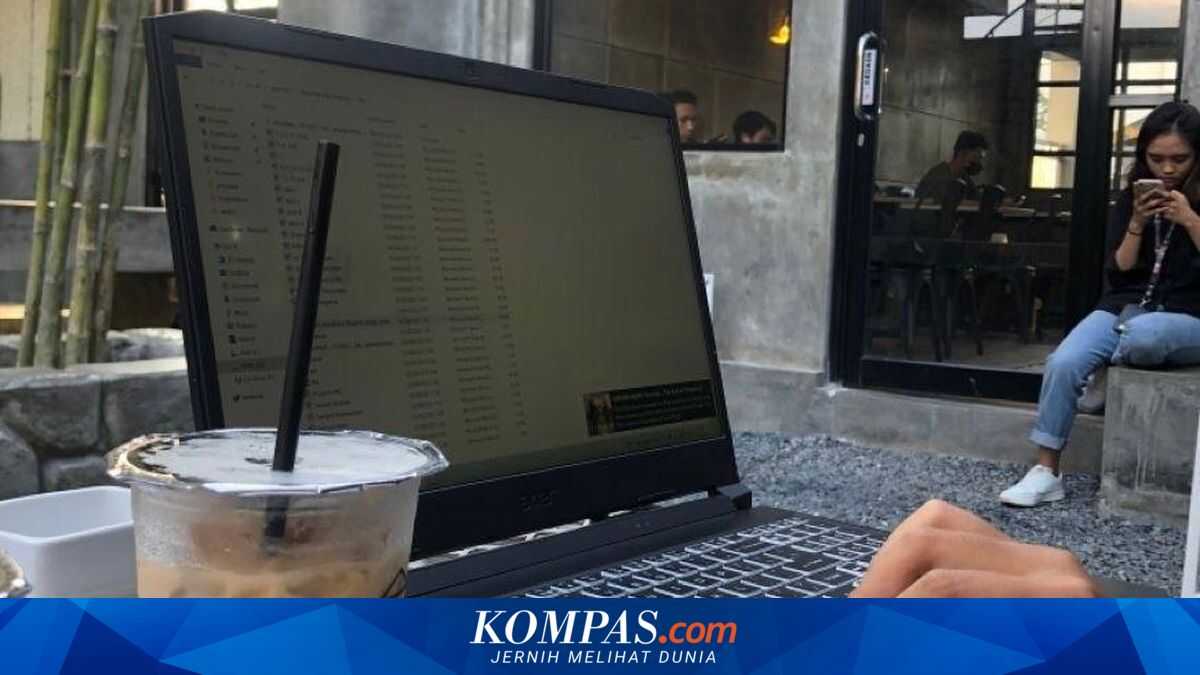
JAKARTA — Changes in work patterns across major Indonesian cities have become increasingly pronounced over recent years.
Nowadays, the sight of people opening laptops in cafés, completing work from minimarket corners, or joining virtual meetings in public spaces has become commonplace. This phenomenon is no longer exclusive to freelancers, but is also practised by company employees who have been granted flexible work policies by their employers.
Working in public spaces has become especially prevalent among urban workers who depend on digital devices and internet connectivity.
Rakhmat Hidayat, a sociologist from Jakarta State University, believes that the growing habit of working in public spaces cannot be separated from developments in digital technology and work flexibility. Increasingly accessible internet, compact work devices, and remote work culture have changed how people understand the office.
He observes that this change relates to a transformation in the social mobility relationship of urban workers. Workspaces, he explains, are no longer centralised in one building or specific address, but can shift according to individual needs.
“This phenomenon of working in minimarkets or cafés is not merely a trend. Rather, it indicates a structural change in how we work,” Hidayat said when contacted on Wednesday (25 February 2026).
He explained that the emergence of remote work systems and freelancing has also driven this shift. “In cafés, in restaurants, for example. The emergence of remote work and freelancing has shifted the traditional paradigm of office work,” he noted.
“People were traditionally considered to work in offices. But now work can happen in cafés, in minimarkets. This process reflects the dynamics of social change influenced by globalisation and transformation in labour relations following increased social mobility of urban workers,” he added.
For many urban workers, cafés or minimarkets are not merely places to stop by, but alternative work spaces. There is a different atmosphere compared to home or the office.
Public spaces, according to Hidayat, offer productivity and social interaction in more fluid proportions. “Urban workers feel comfortable in public spaces because these spaces function as a kind of third space, combining social and productive aspects,” he said.
According to Hidayat, the more relaxed atmosphere can actually foster a sense of freedom and creativity not always found in conventional offices. “Whilst enjoying facilities such as free wifi or whilst drinking coffee and snacks, these things make them feel more comfortable,” he noted.
Furthermore, he observes that public spaces and homes have now become legitimate alternatives in modern work structures. According to him, this change indicates a shift. “The traditional concept of the office, which has long been the centre of work activity, is gradually being replaced by public spaces and homes as alternative work locations,” he said.
He added that flexibility has now become a symbol of job individualisation. “Flexibility has become a symbol of work individualisation, where workers can choose where and how they work according to their personal needs,” he concluded.