
Wonder Insect from Africa Brought to Indonesia, Yields Profits in 6 Months
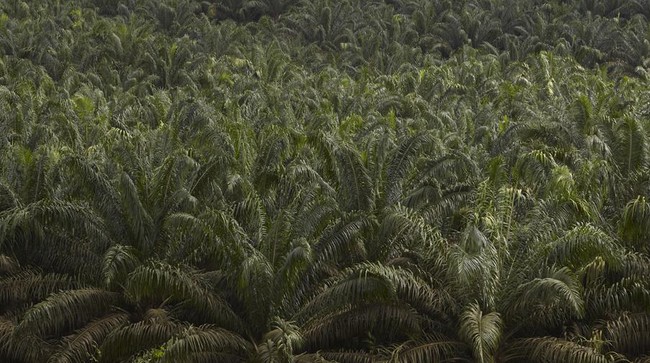
Jakarta — The chairman of the Indonesian Palm Oil Producers Association (Gapki), Eddy Martono, stated that the introduction of pollinator insects from Tanzania could potentially increase national palm oil productivity by approximately 10-15 per cent.
He explained that the use of pollinator insects is part of a productivity enhancement programme currently being implemented by the national palm oil industry through Gapki. “We are already running a productivity improvement programme by introducing pollinator insects. This is the first from Tanzania, along with genetic resources also from Tanzania. Currently, we are working with Zambia as well, which is in process,” Eddy said during a press conference at the Ministry of Agriculture (Kementan) office in Jakarta on Wednesday, 11 March 2026.
According to him, the use of pollinator insects from Tanzania is expected to make the palm fruit formation process more perfect, thereby increasing production. “We certainly hope for that. Why? Because the fruit formation will be more perfect. It should be able to increase production by approximately 10-15 per cent,” he said.
Beyond pollinator insects, the development of new genetic resources is also considered to have the potential to significantly boost palm plantation productivity. “With new genetic resources, it should increase even further. Why? Because what was previously perhaps only 24 tonnes of fresh fruit bunches (TBS) per hectare per year could double,” he said.
Eddy stated that the impact of releasing the pollinator insects is expected to be visible relatively quickly. “Once we release them, if this succeeds, it will only take 6 months before we see the effects,” he said.
Nevertheless, at the initial stage of pollinator insect release, Eddy noted, it will still be conducted on a limited basis within Gapki consortium member environments. “But this release is limited for now. Not all. Still among Gapki consortium members, and only after that will we begin releasing them to the wider public,” he said.
Eddy viewed the productivity increase as an important step to support the government’s programme in achieving energy self-sufficiency through biodiesel, without disrupting palm oil exports. “The only way is for us to increase production. So that exports can continue, but energy can also proceed. They don’t harm each other — for example, we don’t increase for biodiesel while exports fall,” he said.
He also emphasised that the biodiesel programme has not used funds from the state budget; rather, funds come from palm oil export levies. “The question is, who will finance biodiesel if CPO exports are impacted? Currently, biodiesel practically has no funds from the state budget. All funds come from export levies,” he explained.
On the same occasion, Eddy also revealed that he had met with the Minister of Agriculture, Amran Sulaiman, to discuss the productivity enhancement programme, including plans to release pollinator insects and new genetic resources. “I informed the Minister that this is ready to be released, including both the pollinator insects and genetic resources,” Eddy said.
Gapki also plans to request that Minister Amran officially conduct the release ceremony. “Our plan is to request that the Minister personally conduct the release. Because this is very monumental — why? Because it increases productivity,” he said.
He added that the release of pollinator insects and genetic resources is scheduled to take place after Ramadan, around April, in Medan, North Sumatra. “The Minister, thank goodness, seems willing. We will arrange the timing. But the plan is after Ramadan, around April, we will release the pollinator insects and genetic resources,” he concluded.