
Women's Empowerment is Key to Breaking Cycle of Violence Against Women and Children: F-PKB MPR
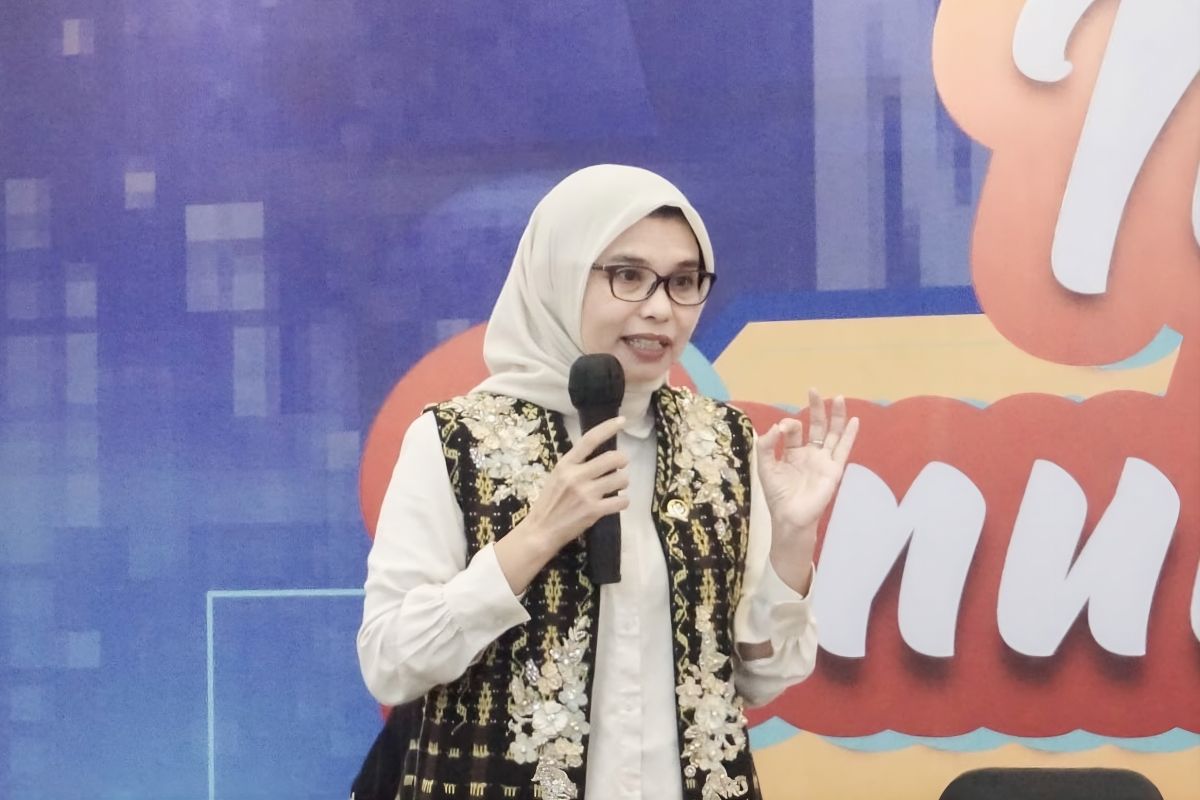
Jakarta — The leader of the Partai Kebangkitan Bangsa (PKB) faction in Indonesia’s People’s Consultative Assembly (MPR), Neng Eem Marhamah Zulfa Hiz, has stated that women’s empowerment is a strategic key to breaking the cycle of violence against women and children in Indonesia.
“Empowered women are the key to strong families and healthy communities. When women have access to education, economic opportunities, and decision-making spaces, the potential for violence can be significantly reduced,” Eem said.
She highlighted data from the Ministry of Women’s Empowerment and Child Protection indicating that thousands of cases of violence against women and children still occur annually in various forms, ranging from physical, psychological, and sexual violence to digital abuse.
She emphasised that this situation demonstrates that prevention and protection efforts must be conducted systematically and continuously, and that the state must be present not only through regulation but also through strengthening social systems that protect women and children.
“Breaking the chain of violence cannot be done by one party alone; collaboration of all elements of the nation is needed to create a safe space for women and children,” she said.
These strategic measures include strengthening policies and regulations for the protection of women and children, improving access to education and gender equality literacy, economic empowerment of women to ensure their independence, strengthening family and community-based protection, and cross-sectoral collaboration between the government, state institutions, women’s organisations, and media.
The statement was delivered by Eem during a dialogue forum titled “Breaking the Chain of Violence Against Women: A Multi-Sectoral Review, Realising Empowered Women, Protected Children” held at the MPR Building in Jakarta on Thursday, 12 March. The event also featured speakers from state institutions, women’s organisations, community leaders, the Indonesian Broadcasting Commission, Fatayat Nahdlatul Ulama, and the Association of Small and Medium Micro Entrepreneurs of Nusantara (Apimsa).