
Woman forced into emergency department goes viral; Soeharto Heerdjan Hospital responds
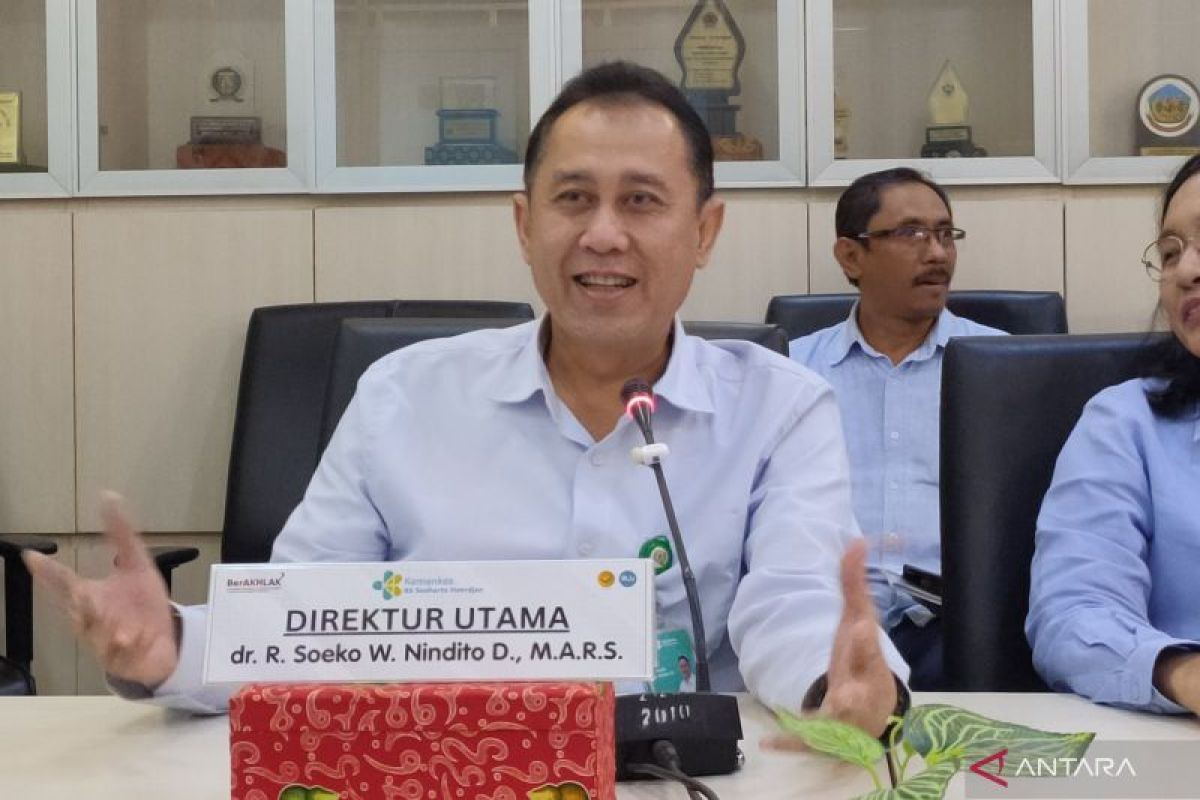
Jakarta — Soeharto Heerdjan Hospital (RSSH) in West Jakarta has dismissed allegations of coercive practices regarding the admission of a woman identified as EO to its emergency department (IGD) at the facility.
Chief Executive Director Dr Soeko W. Nindito emphasised that patient EO, who arrived at the hospital on 31 January, was not forcibly retrieved but was brought directly by her family members due to her mental health condition.
“Patient EO, whose video went viral, came to Soeharto Heerdjan Hospital accompanied by her husband, father, and with the knowledge of her mother. They brought the patient to our hospital of their own volition,” Soeko said in Jakarta on Monday.
According to Soeko, patient EO had initially been taken to another hospital before being referred to RSSH for specialised mental health treatment.
Upon arrival at the emergency department, psychiatrists at RSSH examined and assessed EO. Following the examination, doctors recommended inpatient admission for intensive care.
The decision to admit the patient for inpatient care was made with family approval, specifically her husband, who signed the informed consent for medical treatment.
Regarding the mother’s complaint of being prevented from visiting her daughter, Soeko stated that this was a request made by the husband when signing the treatment approval form.
“We are unaware of what occurred between the husband and mother, and I do not wish to enter into that matter. However, there was indeed a statement during the informed consent signing that the patient should preferably not be visited by her mother. My assumption is that the mother’s presence might trigger emotional disturbance in the patient,” he explained.
However, this was purely an emergency medical procedure for patient safety and environmental security, not a form of torture or coercion.
This decision was based on EO’s frequent episodes of violent behaviour that posed risks to herself and hospital staff during treatment.
“During the treatment process, there were incidents where the patient became violent, damaged furniture, and nearly seized a fire extinguisher,” Soeko stated.
Regarding EO’s mother’s attempt to forcibly retrieve the patient, Soeko affirmed that the hospital adhered to the informed consent signed by the patient’s husband.
The hospital subsequently held an online meeting with the patient’s family via Zoom to discuss the patient’s condition and visiting access.
“We needed time to negotiate with her family and husband, and we held a Zoom call with her family, including her uncle. Eventually, visits were permitted, and after the patient stabilised around 5 or 6 February, she was discharged,” he said.
Acting Medical and Nursing Director Dr Shandy Parulian added that the restraint procedure was conducted under strict supervision and was not continuous. Patient restraints were regularly monitored and reassessed every 15 minutes to evaluate the patient’s current condition.
“In the early stages, any periods of restraint were only temporary. Once the patient became calm and responded to treatment, the restraints were removed,” he said.