
Wolbachia Technology Proven Effective in Preventing Dengue, ASEAN Nations Begin Developing the Technology
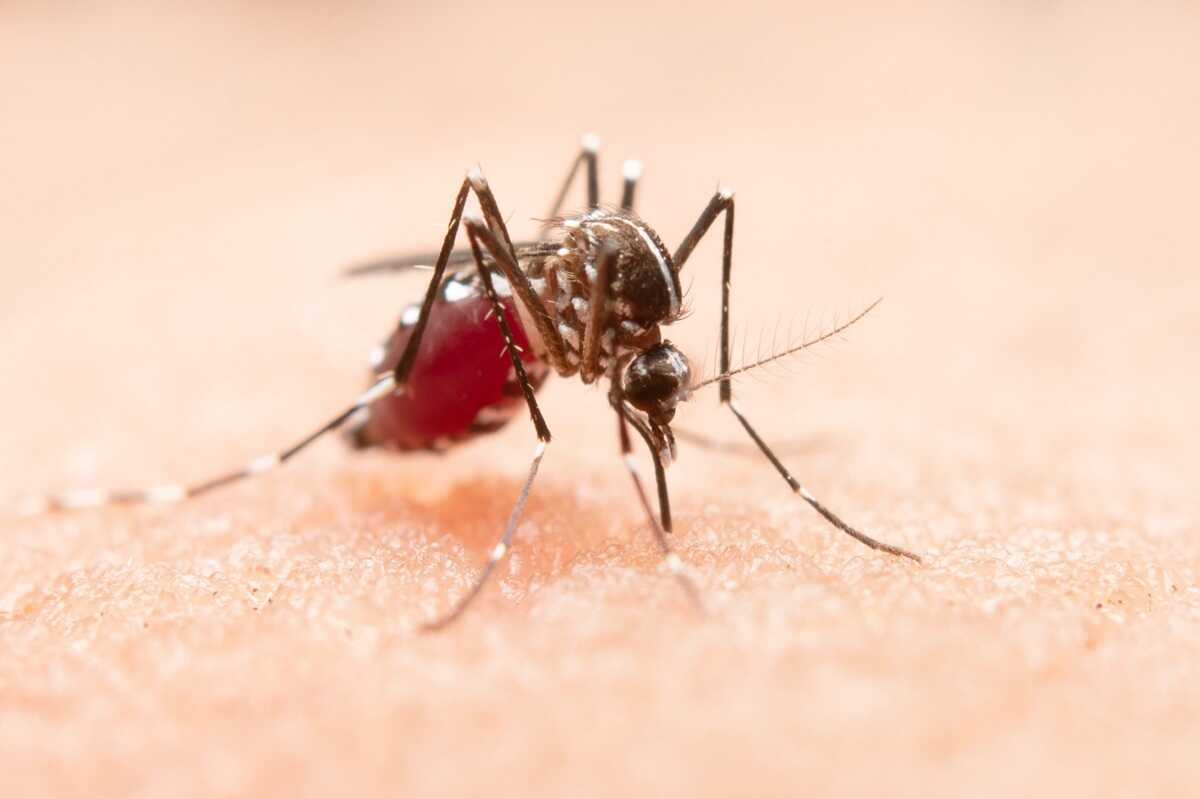
The Ministry of Health is applying Wolbachia technology innovation to reduce the spread of dengue fever (DBD) in Indonesia. This technology has been incorporated into the National Strategy and is being implemented in several cities: Semarang, Jakarta Barat, Bandung, Kupang, and Bontang.
Wolbachia technology has been deployed in other countries and has proven effective in preventing dengue. The effectiveness of Wolbachia has been researched since 2011–2022 by the World Mosquito Program (WMP) in Yogyakarta, beginning with feasibility and safety phases, followed by limited-scale and large-scale releases of Aedes aegypti mosquitoes, and culminating in implementation phases.
According to the research findings, Aedes aegypti mosquitoes carrying Wolbachia reduced dengue cases by 77.1%. Furthermore, the World Health Organization (WHO) has recommended Wolbachia technology for dengue control since 2021.
Wolbachia is a naturally occurring bacterium found in 50% of insect species, including certain mosquitoes, fruit flies, moths, dragonflies, and butterflies. This natural bacterium, which grows within Aedes aegypti mosquitoes, reduces dengue virus replication. The primary mechanism of action operates through food competition between the virus and bacterium; when food supply is limited, the virus cannot proliferate. Aedes aegypti mosquitoes are introduced with Wolbachia bacteria that has its original host, Drosophila melanogaster. In other words, Wolbachia-carrying Aedes aegypti mosquitoes are not genetically modified organisms.
During the 2018 ASEAN Dengue Day celebration, ASEAN member states welcomed collaboration with the World Mosquito Program to prevent and control dengue fever. The World Mosquito Program has partnered with local universities, researchers, government institutions, and communities in Indonesia and Vietnam to implement Wolbachia.
Beyond these two countries, Wolbachia technology has also been developed in Singapore since 2016. Their field study results showed a 50% reduction in Aedes aegypti mosquito populations at male mosquito release sites. Singapore will subsequently enhance release methodologies for urban landscapes.
Laos announced plans for Wolbachia mosquito releases in July 2025. This initiative has been prepared through intensive training for health officers and community engagement. Laos is targeting 164 villages in this project to address the escalating threat of dengue fever. Further expansion of Laos’s Wolbachia programme will occur between 2026–2028 across four additional provinces.
Data indicates that the 15–44 age group accounts for 42% of total dengue cases, whilst 41% of deaths occur in children aged 5–14 years. The case fatality rate (CFR) for dengue has declined significantly from approximately 0.9% in 2021 to 0.4% in 2025. Southeast Asia has long been the global epicentre for dengue transmission, with nearly 400,000 cases reported in the region throughout 2025. Indonesia has achieved significant progress in reducing mortality from dengue cases. The Institute of Tropical Medicine at Universitas Gadjah Mada’s senior professor notes that children remain the most vulnerable age group for dengue infection. Adults with comorbidities face higher risk of severe dengue. Dengue is not directly transmitted from human to human; however, pregnant women with dengue infection can transmit the virus to their foetuses during pregnancy or childbirth.