
Witnessed by Prabowo, Indonesia and Japan Sign $22 Billion Economic Cooperation Agreement
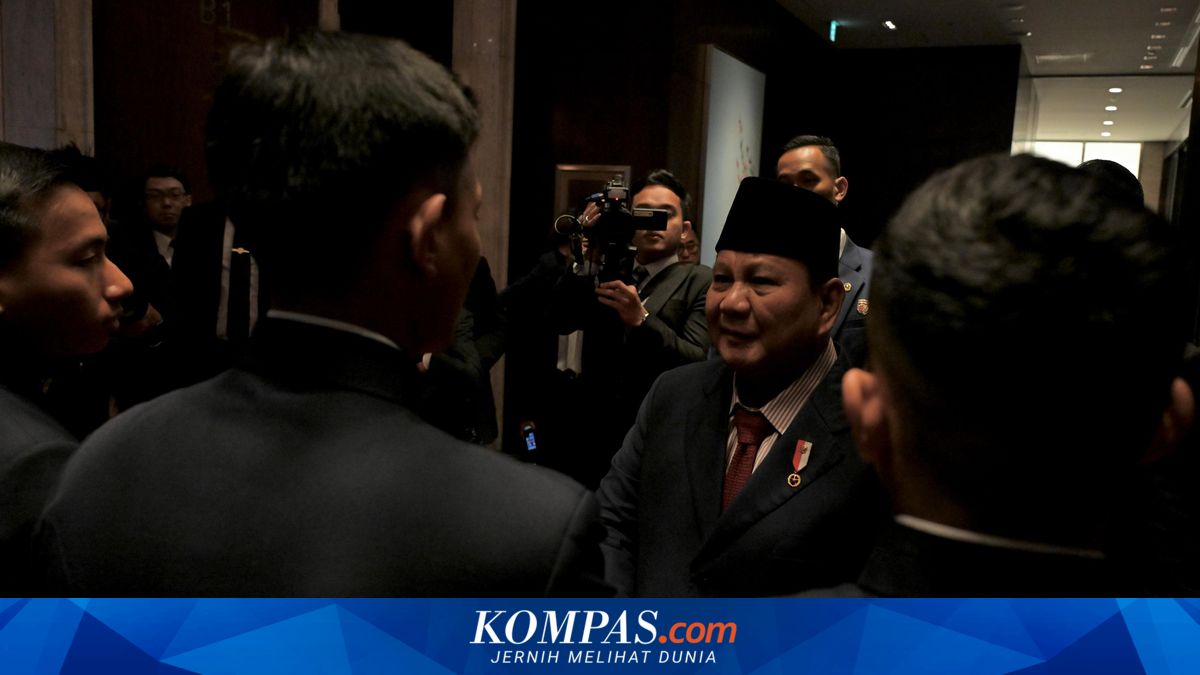
Jakarta - Indonesia and Japan have agreed to economic cooperation worth $22 billion or approximately Rp374.1 trillion during a business session attended by President Prabowo Subianto on Monday (30/3/2026).
“President attended the business session where approximately $22 billion in economic cooperation agreements between Indonesia and Japan were signed this time,” said Foreign Minister Sugiono in Tokyo, quoted from Kompas TV footage on Monday (30/3/2026).
Sugiono stated that this cooperation agreement demonstrates that economic relations between Indonesia and Japan are becoming increasingly intensive.
Japan itself is one of Indonesia’s largest trading partners.
In the business forum, Prabowo also mentioned that Indonesia is undergoing a transformation, particularly in the economic sector.
He is reforming various convoluted regulations and enforcing the law to make investing in the country more attractive.
“Then, streamlining regulations and policies is being carried out so that the investment and business climate in Indonesia is expected to become increasingly conducive. He also mentioned that Indonesia is now in full gear ahead to switch to renewable energy,” said Sugiono.
According to Prabowo, energy security and resilience are among the most important components in a world situation full of uncertainties.
“He has positioned the transformation from fossil energy to renewable energy as something that will be done. And with conditions like this, that programme must be accelerated. That’s what was conveyed,” Sugiono said.
Meanwhile, in a meeting with Emperor Naruhito, Prabowo discussed strategic relations (common interests) between the two countries, including in a one-on-one (tête-à-tête) meeting lasting around 20 minutes.
The discussion also covered relations between citizens living in each country.
The Emperor hopes that Indonesian citizens living in Japan will be treated well by the Kingdom.
He also asked Indonesia not to hesitate to voice requests if there are matters of common concern regarding citizens.
“As we all know, the Emperor’s position as a symbol of the Japanese state. He does not discuss political matters, but more on bilateral relations, people-to-people relations,” said Sugiono.