
Witness Reveals Reasons for Pertamina's Cooperation with Corpus Christi on LNG Procurement
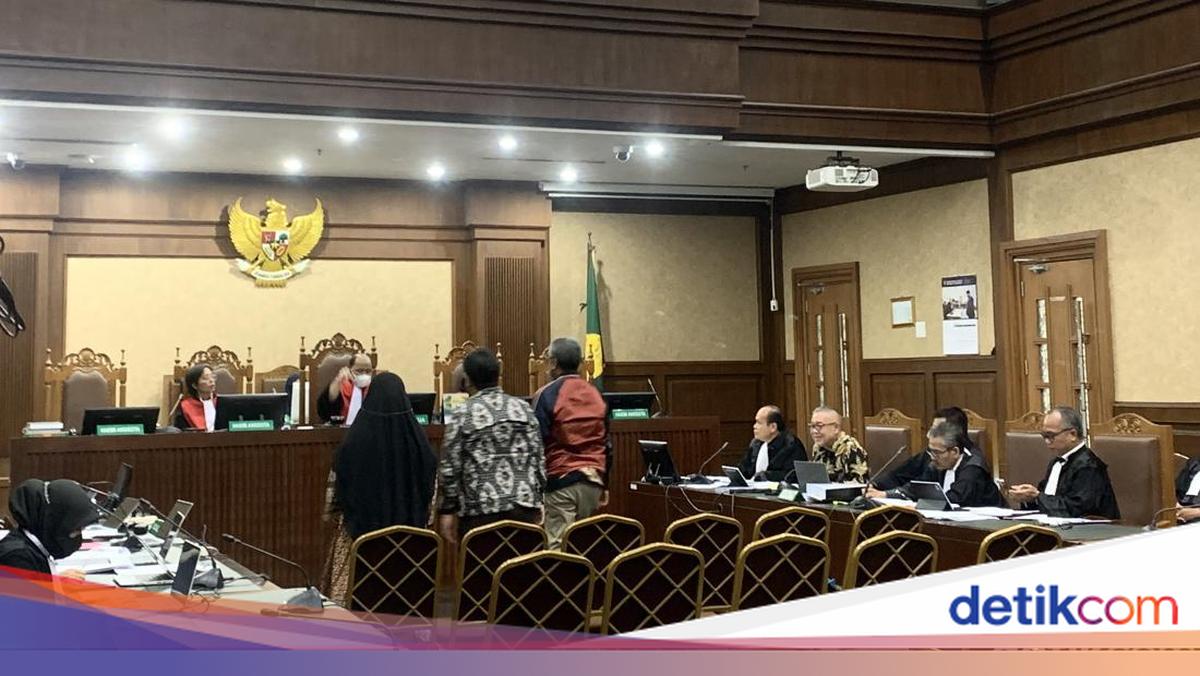
Former liquefied natural gas (LNG) trading manager at PT Pertamina, Henny Trisnadewi, revealed the reasons for cooperation with American company Corpus Christi Liquefaction LLC (CCL) during testimony in a corruption case concerning LNG procurement at Jakarta’s Anti-Corruption Court on Monday, 16 March 2026. Henny was presented as a mitigating witness by the defence counsel of the defendant, former Pertamina Gas Director Hari Karyuliarto.
Initially, Hari’s lawyer, Humisar Sahala Panjaitan, explored the rationale behind selecting CCL as the LNG supplier. Henny stated that price exploration had been conducted since 2011.
“Why was CCL selected at that time?” Humisar asked.
Henny explained that CCL represented a new development from America. She noted that whilst America had previously been known as an LNG importer, this changed with the discovery of shale gas and new technology for gas development, making American gas prices more competitive. She stated that Pertamina compared oil-indexed prices with gas-indexed prices, and that American LNG became an attractive alternative following the shale gas boom, with Cheniere as the pioneer LNG exporter from America.
Henny stated that Pertamina had conducted price comparisons between CCL and all other suppliers both internationally and domestically. The results showed that CCL offered the most competitive pricing. She noted that by 2011, the project development was already underway with several agreements that Cheniere had established with international players, including Shell and other LNG operators.
She added that Pertamina had continued comparisons with other players since 2011, including exploring LNG offers from Mitsubishi from America and domestic suppliers. However, when comparing price and flexibility, Corpus Christi proved to be the most competitive in 2013.
Regarding the Henry Hub index at that time, Henny stated that whilst it showed relatively high figures, it remained competitive. The Henry Hub is the meeting point of major natural gas pipelines in Erath, Louisiana, serving as the global benchmark for LNG pricing.
When asked what “competitive” meant, Henny clarified that pricing could be higher or lower during certain periods because there was no direct correlation between oil and gas prices. However, based on forecasts available at the time, the Henry Hub was considered competitive, particularly because Indonesian LNG could not meet Pertamina’s long-term requirements.
Henny cited another reason: the flexibility provisions in the contract. She highlighted the suspension right, whereby the buyer did not need to pay the entire contract value, unlike take-or-pay arrangements.
She explained that CCL’s LNG offered flexibility, including free destination rights, allowing Pertamina to redirect cargo to other destinations if Indonesia could not consume it immediately, with the exception of Schengen countries.
Additionally, the suspension right meant that if Pertamina could not take delivery of cargo, it only needed to pay a fixed cost rather than the entire cargo value, unlike other LNG contracts based on take-or-pay principles where the entire cargo value must be paid.
Henny concluded that CCL was the most advantageous choice among all suppliers. She noted that the focus was on comparing market price conditions rather than domestic consumer pricing capacity.
When asked directly if CCL was the more beneficial choice among all suppliers, Henny responded affirmatively.
Humisar also asked whether the Gas Directorate needed to consider domestic buyer prices when selecting CCL, to which Henny responded that their role was to secure supply. Whilst other departments were responsible for the entire value chain, the LNG trading division focused on procurement by comparing market price conditions, though they were aware of domestic requirements.
Regarding price comparisons between CCL and domestically landed LNG prices, Henny explained that Pertamina conducted apples-to-apples comparisons of delivered prices to Indonesia’s receiving terminal. She noted that purchases from America were on a free-on-board basis, requiring Pertamina to arrange transport to Indonesia. When comparing with domestic landed prices, Pertamina calculated shipping costs, which had been assessed at approximately 2.8 to 3 dollars per million British thermal units.