
Without SLHS, MBG Kitchens Could Be Temporarily Halted
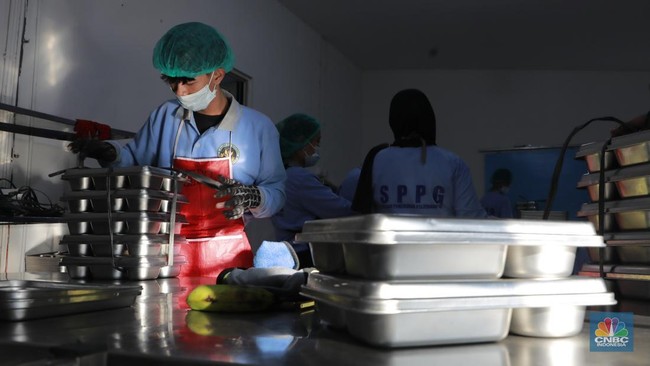
The government is beginning to tighten food safety standards within the Makan Bergizi Gratis (MBG) programme by requiring all kitchens or Satuan Pelayanan Pemenuhan Gizi (SPPG) to possess Sertifikat Laik Higiene Sanitasi (SLHS) certification. This policy is a response to the increasing risk of food poisoning that has occurred during the programme’s implementation.
Strengthening kitchen standards is deemed crucial to ensure that the food distributed is safe and fit for consumption, stemming from evaluations of various field incidents that require swift and measured action.
“We stipulate that SPPG or kitchens must or are required to have SLHS, which was not mandatory before,” stated Deputy for Coordination of Food Affordability and Security at the Coordinating Ministry for Food, Nani Hendiarti, during the CNBC Indonesia Food Summit 2026 at Menara Bank Mega on Monday (27/4/2026).
This policy does not stand alone. The government is also strengthening the overall governance of the MBG programme through cross-ministerial and institutional coordination, enabling more systematic oversight.
This strengthening encompasses various aspects, from the provision of raw materials, processing, to the distribution of food to beneficiaries. All stages are now supervised with stricter standards.
“This is part of our efforts to guarantee food security from upstream to downstream, including how SOPs for extraordinary events have been prepared,” she explained.
The implementation of the SLHS requirement mandate is already showing positive impacts in a relatively short time. The government has recorded a significant increase in the number of kitchens that meet hygiene and sanitation standards.
This increase indicates that field actors are beginning to adapt to the new policy. Additionally, rule enforcement is being carried out gradually to ensure compliance.
“The number of SPPG with SLHS has increased from around 2% to 41% within six months,” she revealed.
Nevertheless, the government does not stop at this regulation. Enforcement of the rules will continue, including temporary suspensions for kitchens that do not yet meet the standards.
This step is considered important so that all programme implementers have an understanding and readiness in maintaining food safety, especially for vulnerable groups such as children and pregnant women.
“We believe this figure will continue to rise because it is now being enforced more strictly, including temporary suspensions for those without SLHS,” Nani emphasised.