
Without electricity tariff discount, Finance Minister says February 2026 inflation only 2.59 per cent
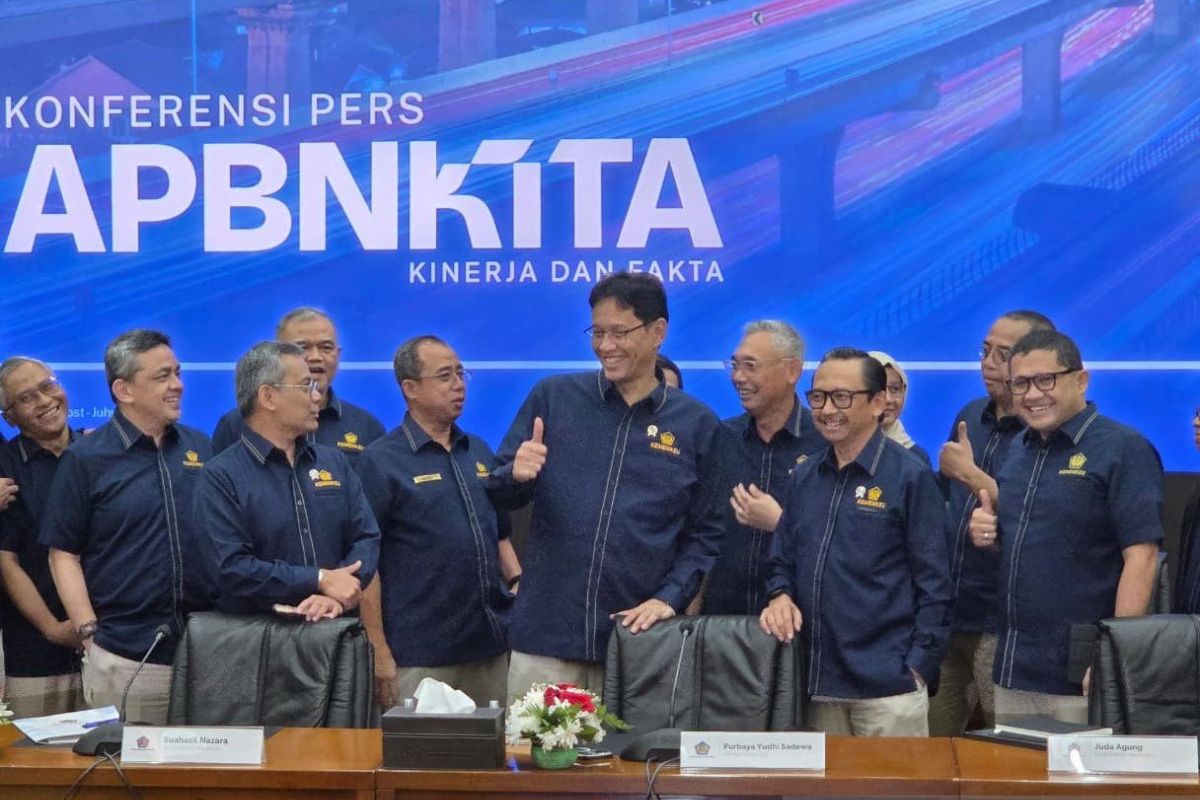
Jakarta — Finance Minister Purbaya Yudhi Sadewa stated that inflation in February 2026 is projected to reach only 2.59 per cent year-on-year if the government had not provided a 50 per cent electricity tariff discount throughout January-February 2025.
The finance minister explained that overall inflation surged to 4.76 per cent year-on-year in February 2026 due to the electricity tariff discount, which created a significant low base effect when comparing year-on-year figures. The previous year’s subsidies have inflated the comparison baseline, making current pricing appear elevated.
“The overall inflation increase is primarily temporary and results from the low base effect of the electricity discount in early 2025. Without the impact of the electricity discount, February inflation is estimated at only 2.59 per cent,” Purbaya Yudhi Sadewa explained in Jakarta on Wednesday.
Breaking down the components, the finance minister reported that core inflation increased by 2.63 per cent year-on-year, driven by rising gold prices and increased demand during Ramadan 1447 Hijriah, which commenced in mid-February 2026. Core inflation excluding gold stood at just 1.4 per cent year-on-year.
“This core inflation figure is important because observers abroad often focus on that 4.76 per cent figure and begin suggesting that the Indonesian economy is overheating and must be slowed, when in fact we are only just beginning to grow faster,” he remarked.
The finance minister highlighted volatile food inflation, which increased by 4.64 per cent year-on-year due to weather conditions and rising demand for certain commodities such as poultry, fresh fish, and chillies. He assessed this increase as moderate, remaining below 5 per cent year-on-year.
Government-administered price items experienced the highest inflation at 12.66 per cent year-on-year, primarily due to the low base effect from the electricity discount, which is expected to ease by March 2026.
“Overall, the impact of rising commodity prices, including crude oil, will continue to be managed by the government through the state budget serving as a shock absorber, thereby maintaining purchasing power and preserving fiscal stability,” Purbaya stated.
Although inflation was recorded as elevated during the early Ramadan period, the finance minister assured that overall inflation remains within the target range of 2.5 per cent plus or minus 1 per cent heading towards the forthcoming Eid al-Fitr celebration.
“Inflation remains controlled and price stability is maintained. This positive economic performance is also increasingly inclusive, reflected in increased employment absorption, declining unemployment rates, and the continuing downward trend in poverty,” he said.