
Without Carbon Capture Technology, Coal-Based DME Deemed Risky to Increase Emissions
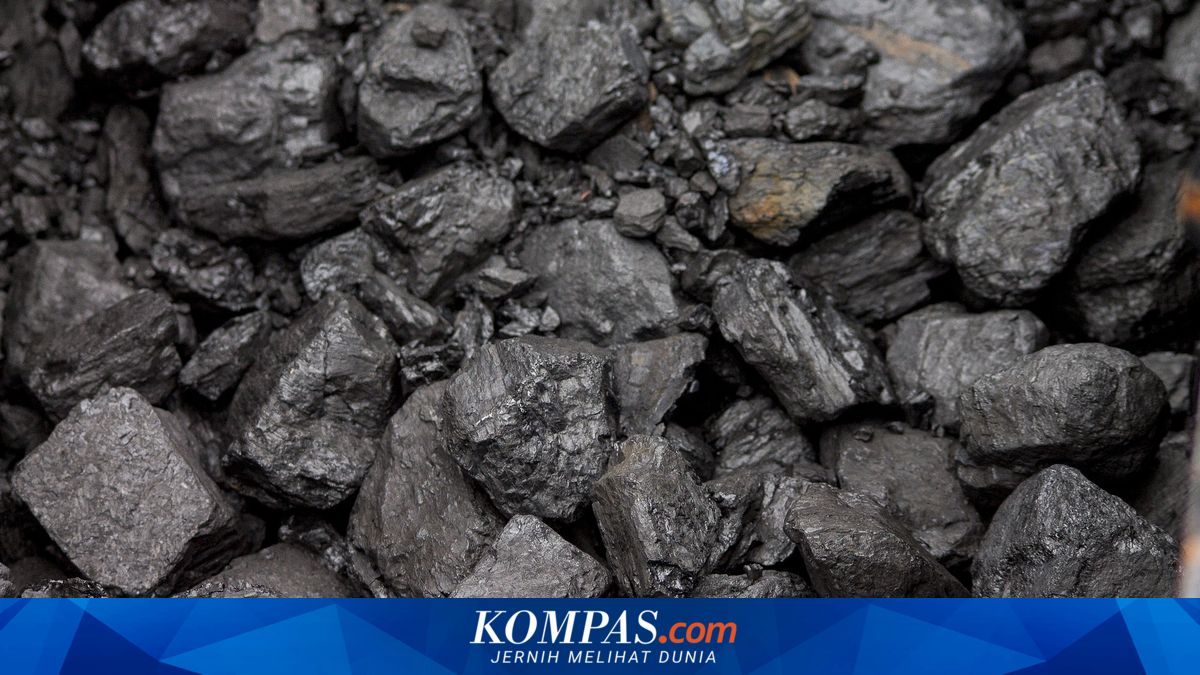
JAKARTA - The development of coal into Dimethyl Ether (DME) is considered necessary to be accompanied by the implementation of carbon capture, utilisation, and storage (CCUS) technology in order to remain aligned with national emission reduction targets.
Energy observer from the University of Indonesia (UI), Iwa Garniwa, stated that emissions from coal-based DME have the potential to be higher than those from liquefied petroleum gas (LPG) if CCUS is not used.
“Without CCUS, the lifecycle emissions of coal-based DME are 20% higher than LPG. This contradicts the Nationally Determined Contribution (NDC) commitment,” Iwa said in Jakarta on Thursday (7/6/2026).
The government plans to develop DME using clean coal technology. This technology is claimed to reduce emissions by 30% to 40% compared to direct coal burning.
This claim forms the basis for the government to promote coal downstreaming in line with the energy transition agenda.
Nevertheless, Iwa assesses that clean coal technology is not sufficient to make the DME project meet the net zero emission (NZE) targets. The implementation of CCUS is considered an important requirement so that the DME project does not turn into a new emission source.
Iwa acknowledges that implementing CCUS will increase investment and operational costs for the project.
“The implementation of CCUS will raise capital expenditure (capex) by around 20% and operational expenditure (opex) by around 15%,” he said.
“In terms of final combustion, DME emissions appear equivalent to LPG and fuel oil. However, the coal-to-syngas process releases large amounts of emissions, so the total emissions remain high,” he explained.
The development of coal-based DME is seen as a challenge for the government in maintaining a balance between downstreaming, energy security, and emission reduction targets.
The government previously inaugurated the development of a DME production facility in Tanjung Enim. The factory is designed to have a production capacity of 1.4 million tonnes per year, equivalent to around 1 million tonnes of LPG.
The DME product will later be absorbed by Pertamina through Pertamina Patra Niaga. The facility will utilise low-calorie coal that has not been optimally utilised so far.