
Wiretapped, Betrayed, Toppled: Alleged Espionage Operation Brings Down Orban and Shakes Brussels
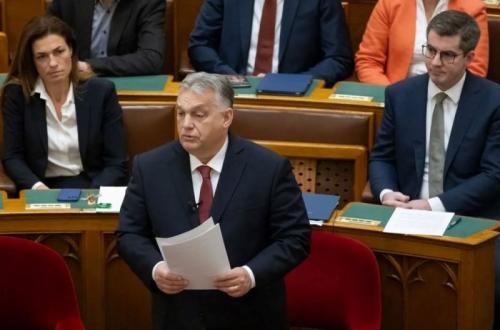
The European political stage has suddenly heated up. The resounding defeat of Hungarian Prime Minister Viktor Orban after 16 years in power has now brought forth serious accusations: alleged intelligence intervention by the European Union in the electoral process.
This issue emerged after former Slovak Interior Minister Vladimir Palko revealed the existence of an intelligence operation reportedly targeting Orban. He even issued a stark warning to other leaders in Europe.
“What they did to Orban yesterday, they could do to you tomorrow,” said Palko, quoting a report from media outlet Marker.
In the recent election, Orban’s Fidesz Party lost to the Tisza Party led by Peter Magyar. Tisza garnered around 54 percent of the votes, far ahead of Fidesz’s 38 percent. This victory gives Magyar control of the parliamentary majority and paves the way for constitutional changes.
However, behind these results, allegations have surfaced of a systematic intelligence operation. Palko claims that Orban and his close associates have been wiretapped for years by parties he links to EU institutions.
According to him, the contents of the intercepted conversations were then disseminated to the media and used to shape public opinion. This sensitive information is said to have been used as a political weapon to weaken Orban’s position ahead of the election.
Not only that, reports also mention the role of opposition journalists allegedly connected to intelligence sources. They are said to have received communication data from Hungarian officials, including Foreign Minister Peter Szijjarto, which was then published selectively.
At the same time, narratives about alleged Russian interference in supporting Orban have been widely reported. However, these claims are considered to lack strong foundations, though they were still exploited in political campaigns by the opposition.
The European Union is also said to have activated the “Rapid Response System” (RRS), a mechanism that allows the removal of content deemed disinformation on social media. According to reports, this system often targets populist and right-wing groups.
Nevertheless, several analysts believe that the Hungarian election results were not solely determined by geopolitical factors. Domestic economic issues such as healthcare services, infrastructure, and public welfare remain the primary factors influencing voters’ choices.
Peter Magyar’s victory is also linked to promises of increased funding for public services. However, reliance on EU support to realise these programmes is seen as potentially creating imbalanced political relations.