
Wilmar Shock: Shares Plummet After Indonesia Probe
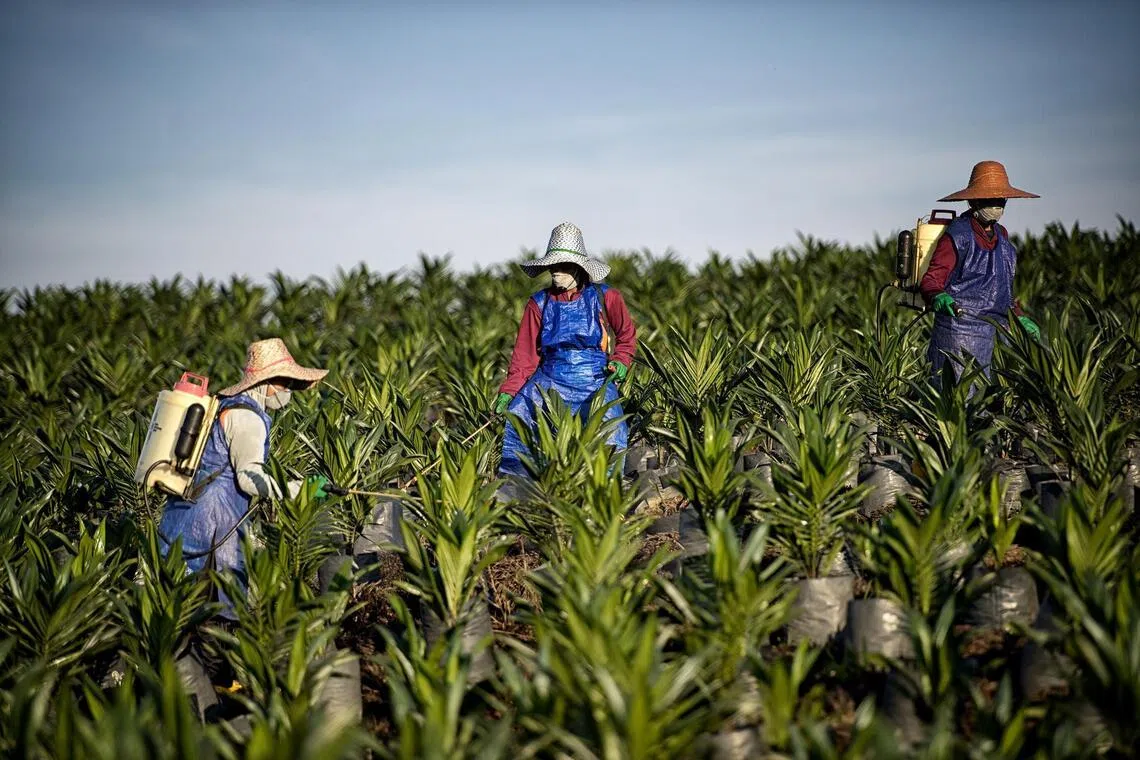
Investors sell off as Jakarta names Wilmar among exporters probed for under‑invoicing.
On May 28, 2026, Wilmar International’s Singapore-listed shares plunged after Indonesian authorities named the company among 10 palm oil producers under investigation, triggering a sharp market reaction and renewed scrutiny of palm oil export practices.
Market Reaction
Wilmar shares fell by as much as 10.5% during intraday trading on May 28 before recovering some losses to trade about 4% lower at S$3.38 by the midday break. Trading volume surged to roughly 11.85 million shares as investors rushed to reprice risk.
The Probe Details
Indonesia’s Finance Minister Purbaya Yudhi Sadewa told reporters on May 26 that Wilmar and other firms are being investigated for suspected under‑invoicing and transfer‑pricing of exports, a probe spurred by President Prabowo Subianto’s push for tighter control over key commodity exports.
Historical Context And Financial Impact
The fresh inquiry compounds Wilmar’s recent challenges in Indonesia. In 2025, the group handed over an 11.8 trillion rupiah deposit to the Attorney General’s Office as part of an earlier probe (approximately S$944 million), underscoring the material stakes for the company and its creditors. The new probe increases regulatory and operational uncertainty for processors and exporters.
Broader Market Context
Regional risk aversion driven by geopolitical tensions also weighed on Asian equities that day. Emerging-market indexes retreated as investors reacted to intensified US-Iran tensions and oil price volatility, creating a risk-off environment that amplified sell-offs in commodity-linked stocks such as Wilmar.
Company Response And Next Steps
Wilmar told the Singapore Exchange during the midday trading break that it had not received official notification of the probe and was engaging with authorities to better understand the concerns. The company added that it would update the market if and when it received formal notice. Markets now await greater clarity on Jakarta’s enforcement approach and any formal investigations.
The developments tighten the spotlight on Indonesia’s export controls and the governance of large agribusinesses, with immediate implications for producers, traders and smallholders in the palm‑oil supply chain. Indonesians face potential policy shifts that could alter domestic pricing and export flows, while Singaporean investors and listed companies must account for faster regulatory intervention and cross‑border enforcement risk when valuing commodity firms. Greater transparency from authorities and prompt company disclosures will be critical to stabilise markets and protect livelihoods across the region.
Sources: Straits Times (2026) , The Edge Malaysia (2026)
Keywords: Wilmar Shares, Indonesia Probe, Palm Oil, Singapore Market, Investor Sentiment