
Wilmar Promotes Anti-Bullying Programme for Students
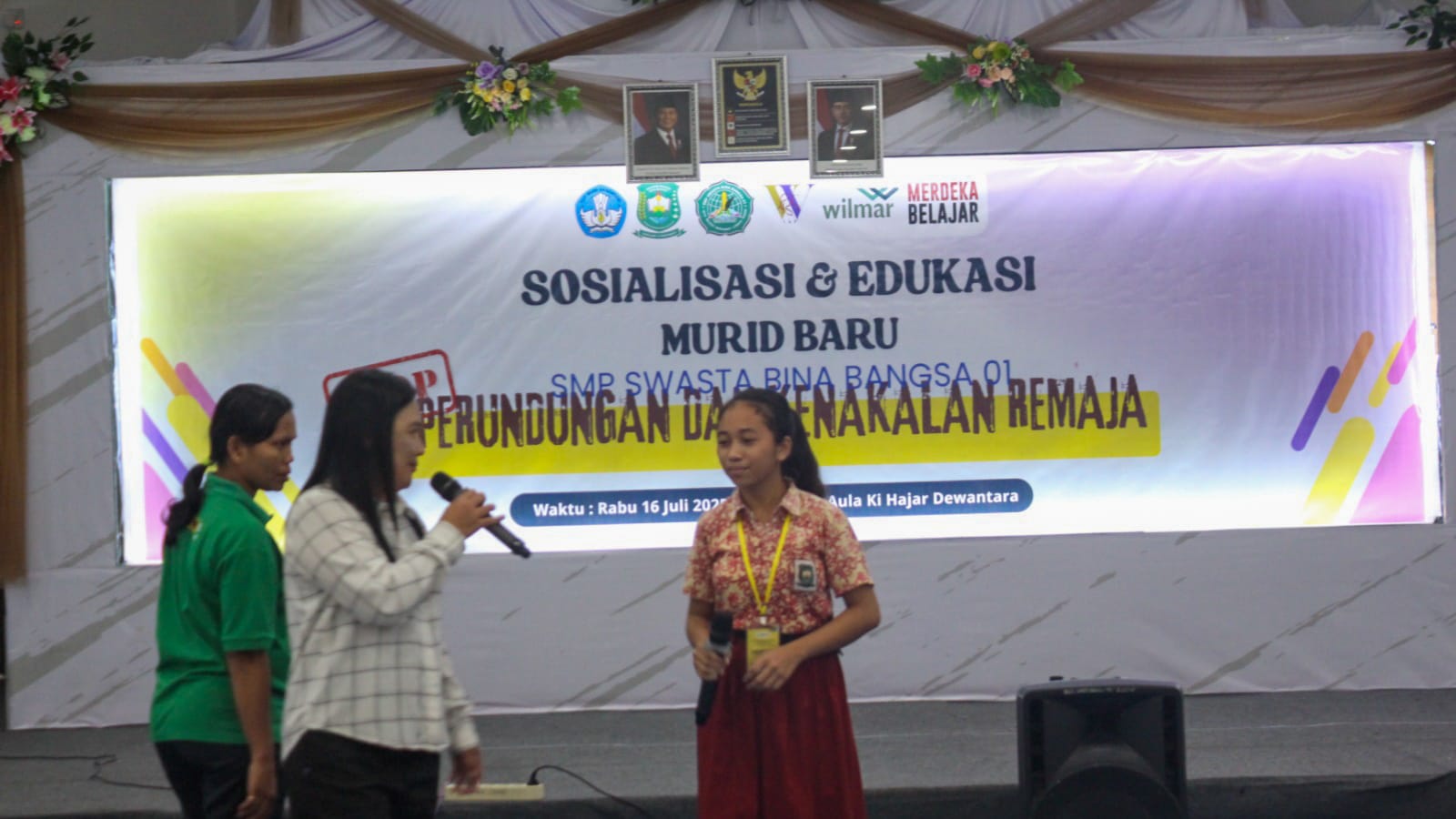
Wilmar remains committed to developing the character of the younger generation through the socialisation of an anti-bullying programme in schools within its operating areas. The WoW Wilmar Central Kalimantan Project coordinator, Sarimanah, explained that the socialisation has been carried out since 2019 through integrating anti-bullying materials into the curriculum of Sekolah Bina Bangsa, a company-managed school in Sampit, Central Kalimantan. The programme has been positively received by the school authorities, parents, and students. ‘We want to curb the potential occurrence of bullying as early as possible, as part of the effort to protect and shape the character of the younger generation,’ Sarimanah said in a press release on Sunday, 8 March. The anti-bullying learning material is not only delivered theoretically but also through practical activities, such as recognising signs of bullying, steps for handling and prevention, and support for victims. Additionally, students are invited to express anti-bullying messages through various performing arts performances themed around empathy, friendship, and mutual respect. According to Sarimanah, the implementation of the curriculum has proven helpful in reducing bullying cases in the school environment. ‘We are seeing positive behavioural changes among students, both in their interactions and in resolving conflicts in a healthy manner,’ she added. As part of capacity-building, the WoW Wilmar team has also received specialised training on preventing violence against children and anti-bullying from the International Labour Organisation (ILO) and the United Nations Children’s Fund (UNICEF). ‘With the support of these international bodies, we hope to continue to expand the positive impact of this programme to more schools in Wilmar’s operating areas,’ said Sarimanah. She hopes the anti-bullying socialisation can be expanded to a broader environment and garner even greater support, especially from communities, given the increasing prevalence of bullying today. ‘If more stakeholders can participate, bullying cases are expected to be reduced,’ she said.