
Will the Iran War Cause an Energy Shortage in Europe?
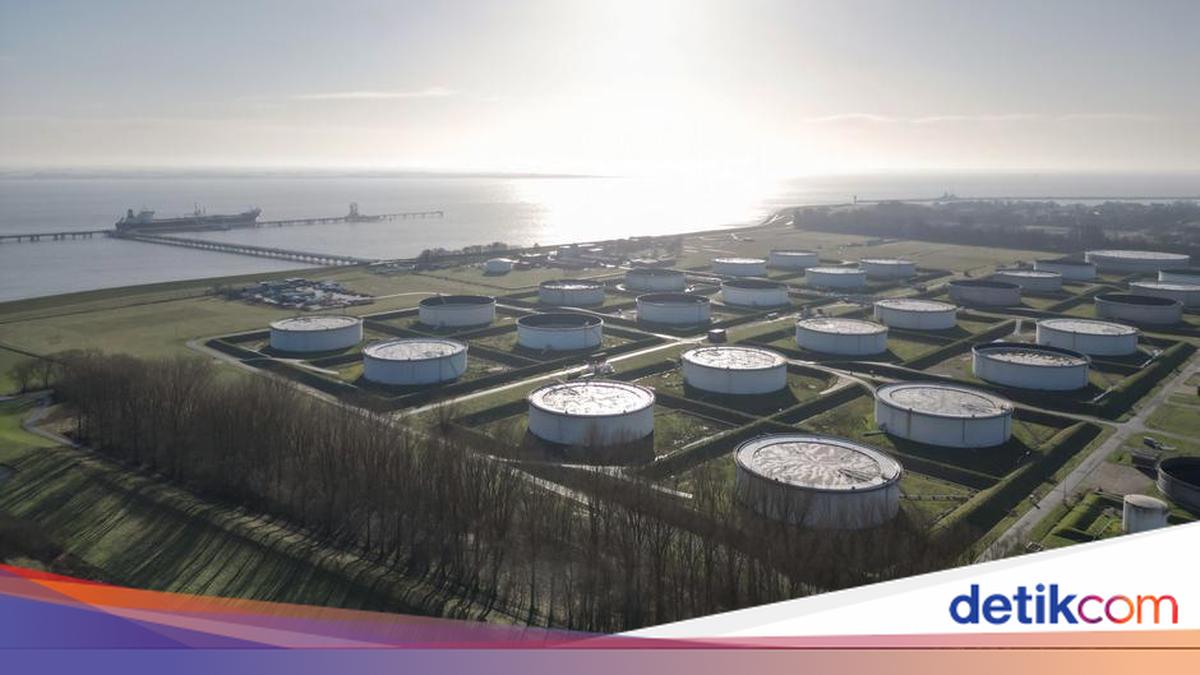
EU Energy Commissioner Dan Jørgensen stated that Europe’s plans include restrictions on network tariffs and electricity taxes. As the duration and scale of the crisis remain unclear, authorities are planning measures similar to those taken when Russia’s aggression against Ukraine began in 2022.
Anticipating disrupted supplies even after a peace agreement
At that time, following Russia’s invasion, the EU continued to impose price caps on natural gas and excess profit taxes on energy companies.
Jørgensen emphasised that he expects energy supply disruptions to persist. Even if peace is achieved, there will be consequences, as parts of the energy infrastructure in the region have been destroyed due to the Iran war, he explained.
In fact, natural gas prices in Europe have risen by more than 70 per cent since the war between the US and Israel with Iran began at the end of February. Although crude oil and natural gas supplies to the EU are not directly affected by the closure of the Strait of Hormuz, as Europe obtains most of its energy from other regions.
However, in the short term, Brussels is concerned about supplies of refined oil products such as kerosene and diesel. The EU obtains about 15 per cent of its kerosene from the Middle East.
Meanwhile, US President Donald Trump emphasised that the responsibility for reopening the Strait of Hormuz does not lie with the US, but with other countries. At the White House, Trump said the United States “has nothing to do with” this issue. Although it is a consequence of the American-Israeli war against Iran.
Attacks continue
Meanwhile, Iran continues to launch attacks on neighbouring Gulf states. In Kuwait, a fuel tank at the international airport was hit by a drone attack. Off the coast of Qatar, a tanker ship was targeted in an attack. The Persian Gulf is a key location for ports and shipping terminals in global oil and gas trade.
From there, ships transport their cargoes to world markets via the strategic Strait of Hormuz. With these attacks and threats, Iran has nearly halted shipping traffic in the strait.
Forcibly opening Hormuz?
As reported by the “Wall Street Journal” newspaper, the United Arab Emirates is attempting to form a coalition with the US and other allies to forcibly open the Strait of Hormuz. A representative of that country told the WSJ that Emirati diplomats have urged the Washington government and military forces in Europe and Asia to do so.
The United Arab Emirates wants the UN Security Council to approve this by issuing a resolution. However, the military operation is considered highly complex and dangerous. Iran could easily attack targets in the strait via land routes. Warships would have only a very short time in the narrow waters of the strait to counter attacks.
Trump wants Iran returned to the ‘Stone Age’
Trump predicts that US attacks on Iran will end in two to three weeks. It is “irrelevant” according to Trump to reach an agreement with Tehran’s leadership, as the US-Israel will ensure that Iran’s rulers cannot build nuclear weapons, Trump said.
“If we feel that they have been returned to the ‘Stone Age’ for a long time and are no longer able to develop nuclear weapons, then we will leave,” said the US President.
Israeli Prime Minister Benjamin Netanyahu predicts that the Iranian government will collapse sooner or later. “The Ayatollah regime in Iran is weaker than ever before,” he said. However, the struggle against Iran’s leadership is not over.
Pope’s call to return to negotiations
According to Iranian Foreign Minister Abbas Araghchi, Iran has not yet made a decision regarding negotiations with the US. He told the Arab television station Al Jazeera that his country has doubts.
“We absolutely do not believe that negotiations with the US will yield results. Our level of trust (in them) is zero,” said the Iranian Foreign Minister.
Pope Leo XIV urged US President Trump and “all heads of state and government in the world” to engage in peace negotiations.
“Return to the negotiating table to dialogue,” he called on political leaders. This is very important, especially ahead of the upcoming Easter celebrations. “End this war,” said the supreme leader of the Catholic Church.