
Will the Gulf States Retaliate Against Iran's Attacks?
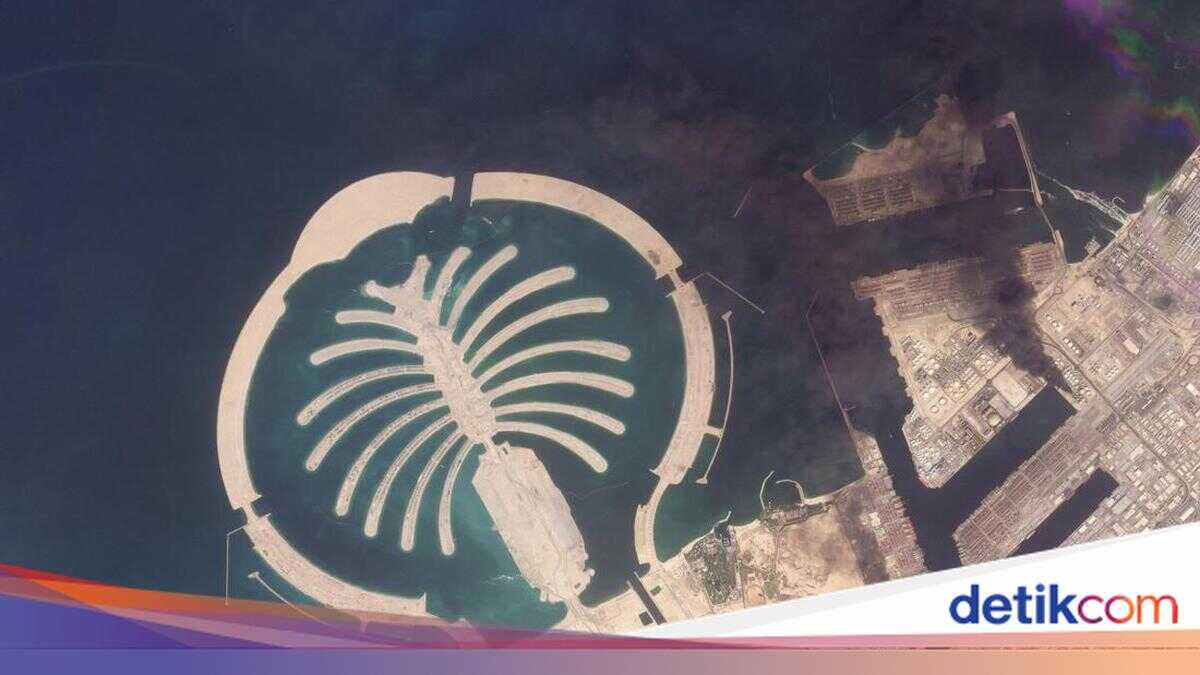
Iran’s retaliatory strikes against Gulf states have tarnished their image as safe and prosperous nations. Will they retaliate against Iran’s attacks and potentially be drawn into the war? The Gulf states find themselves at the front line of the latest Middle East conflict, and they are angry. Iran has answered the US-Israel air strikes by firing hundreds of missiles and drones at its Arab neighbours, targeting US military bases in the region, but also civil and energy infrastructure. In doing so, Iran is targeting the Gulf’s image as a hub for travel, tourism and finance, and disrupting the oil and gas industries at their core. This is an unwanted war that Arab states have sought to prevent. ‘This is not the Dubai we know’ — residents and tourists’ testimonies as Iran strikes the United Arab Emirates. ‘All red lines have been crossed,’ said Majed al-Ansari, spokesman for the Qatari Foreign Ministry, at a press conference on Tuesday. ‘Attacks on our sovereignty are ongoing,’ he told reporters. ‘There have been attacks on our infrastructure. There have been attacks on our settlements. And the impact of these attacks is clear. Regarding the possibility of retaliation, all options are in the hands of our leadership. But we must be clear that such attacks will not go unanswered and cannot be allowed to go unaddressed.’ Most of Iran’s missiles were intercepted across the region, but falling debris caused fires and killed civilians. Drones that slip past air defences more easily often cause less damage but still create disruption to trade and travel. That seems to be Iran’s strategy: to raise the stakes for its Arab neighbours in the hope they will press the United States to end the war. Iran is believed to have fired many drones and missiles at the United Arab Emirates, a major Gulf hub for trade and tourism, as well as at Israel, according to the Financial Times. Workers clean up debris at the Fairmont Hotel in Dubai after Iran’s barrage also targeted that hotel on Sunday (01/03). (AFP via Getty Images) The vital oil and gas industries in the region could be politicised by Iran, potentially sending shockwaves through the global economy. This also means Tehran’s strategy could backfire. Iran risks driving the Gulf states closer to Washington, even prompting them to join the war effort in various forms. So far, they have refused to allow the US to use their airspace and territorial waters to strike Iran. But all this could change. At some point they may decide to participate in military operations. They have not reached that point yet; the Arab states remain focused on defence. But much depends on how long the war lasts. Some countries may be reluctant to openly take sides with Israel in the conflict. Israel’s deadly and destructive strikes in Gaza in response to Hamas’s attacks in October 2023, and its military interventions in countries like Lebanon and Syria, have tightened relations among Arab states. They were angry when Israel bombed Qatar last year in its bid to kill Hamas’s leader. Yet clearly, Iran’s attack has strengthened unity among the Gulf states. Six members of the Gulf Cooperation Council — Saudi Arabia, Kuwait, Qatar, Bahrain, the United Arab Emirates and Oman — met in emergency session on Sunday. They voiced solidarity and pledged to take all measures necessary to defend their security and stability. The six countries also pledged to protect their territories, citizens and residents, including options to respond to the aggression. A senior diplomatic adviser to the President of the United Arab Emirates, Anwar Gargash, has urged Iran to realise the consequences of its actions. ‘Your war is not with your neighbours,’ he wrote in a post on X. ‘Return to your own neighbourhood, and face your neighbours with reason and responsibility before the circle of isolation and escalation widens.’