
Will Indonesia Experience the Worst Drought in 2026? BMKG's Explanation
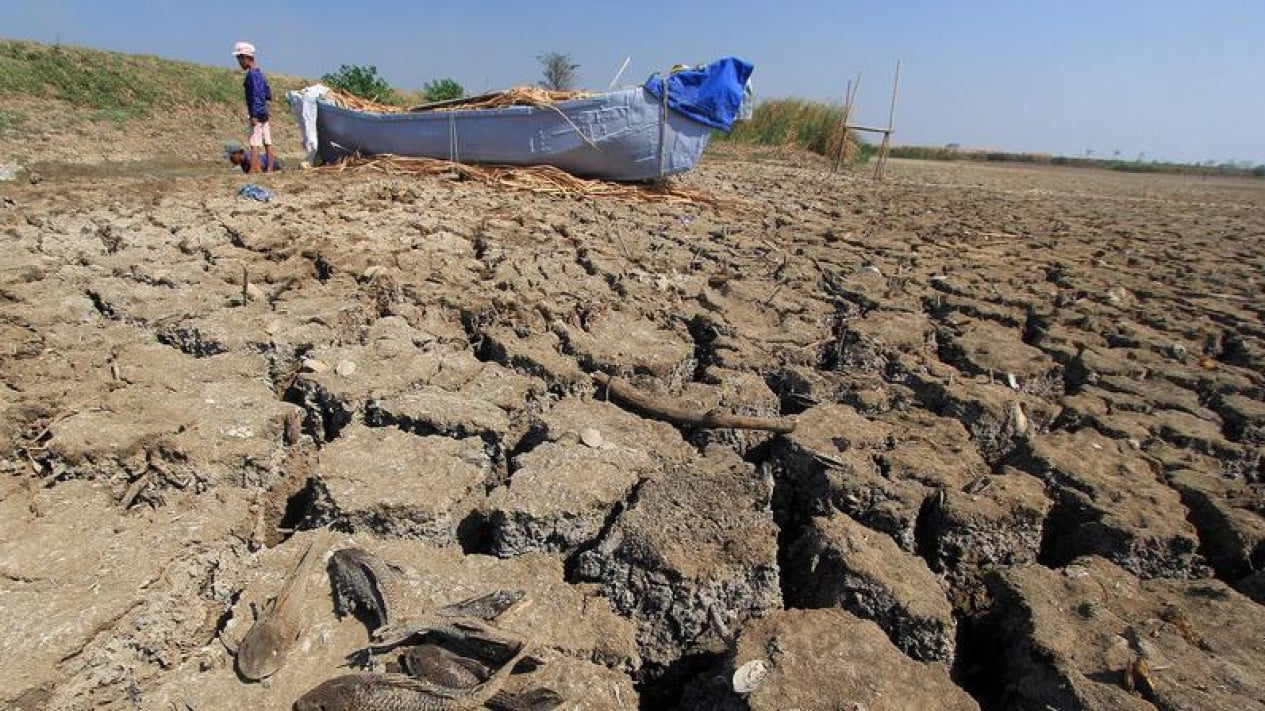
Viral posts on social media have reignited discussions about the threat of extreme drought in Indonesia, with claims circulating that the country will endure the most severe dry season in the last 30 years in 2026. This narrative has sparked public concern, particularly given the heightened focus on climate change and its effects on agriculture, clean water supplies, and forest fires. However, the information is not entirely accurate, and the Meteorology, Climatology, and Geophysics Agency (BMKG) has issued an official clarification via its social media channels. In the post, BMKG stresses that the circulating information requires correction to avoid unnecessary panic among the public. “Information is circulating stating that BMKG has warned that the 2026 dry season will be the worst in the last 30 years. This information is inaccurate,” as quoted from BMKG’s Instagram on Thursday, 16 April 2026. This statement directly refutes the viral claims across various digital platforms. Furthermore, BMKG provides an explanation of the actual predicted conditions for the 2026 dry season. It is noted that rainfall is indeed forecast to be below the normal average. However, this does not necessarily imply the extreme conditions being widely reported. “In fact, BMKG has stated that rainfall during the 2026 dry season is predicted to be below normal, meaning lower than the 30-year climatological average,” it continues. This means that rain during the dry season is likely to be less than usual, but still within limits comparable to historical patterns. For context, BMKG also compares this to years known for relatively dry seasons, such as 1997, 2005, 2015, and 2019, which experienced more significant levels of dryness than the 2026 forecast. This explanation affirms that while there is potential for a relatively drier dry season, the situation is unlikely to be the most extreme in the past three decades. BMKG also underscores the importance of fully understanding information and avoiding entrapment in misleading narratives. “This means the condition does not necessarily indicate the worst dry season in 30 years, but rather shows the potential for less rainfall than usual.”