
Wihaji: The economy remains the main driver of families at risk of stunting
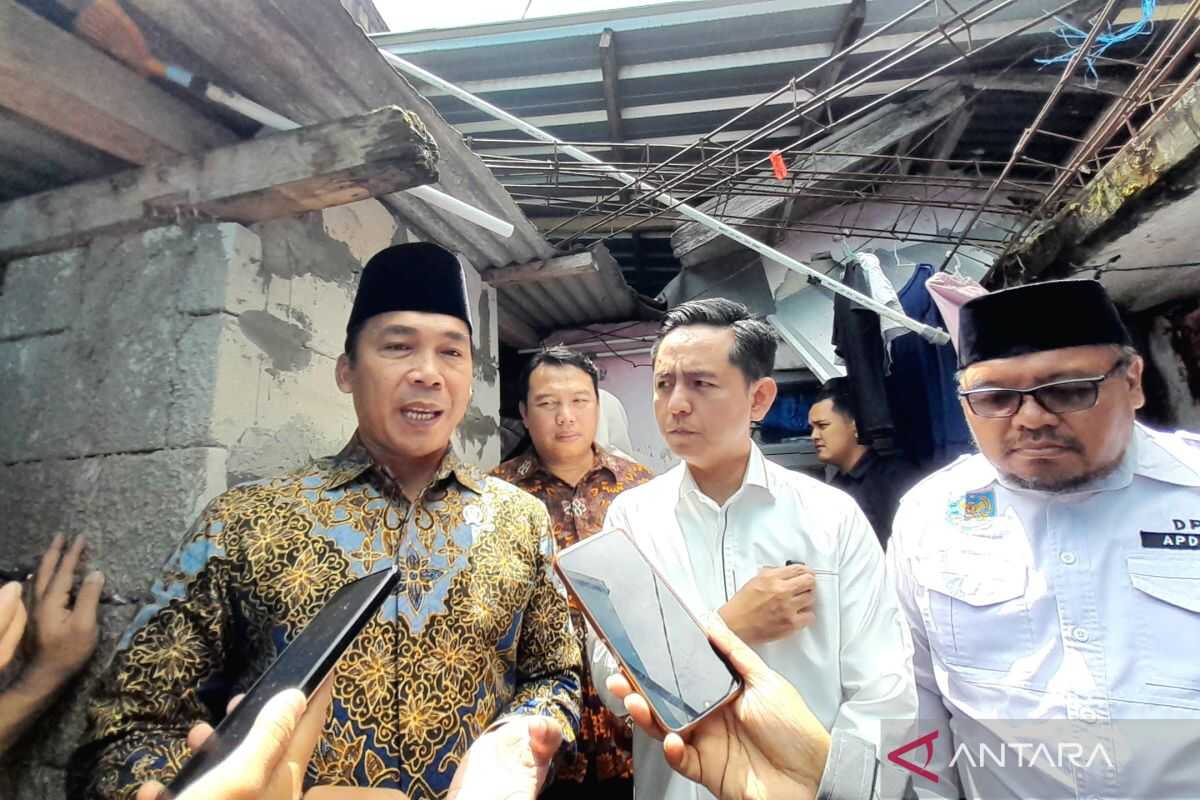
Speaking in the Cianjur Regency, West Java, on Wednesday, Minister for Population and Family Development (Mendukbangga) / Head of the National Population and Family Planning Board (BKKBN) Wihaji said that economic problems remain the main driver of families at risk of stunting. He made the remark while visiting a family at risk of stunting that has five children, the eldest of whom is 14 and had to drop out of school. “For example, with five children, why is the eldest not at school? I see an economic factor. Supporting five children is hard; after the earlier setback, it becomes problematic,” he said. He added that one of the necessary solutions is through education, especially since the at‑risk family is still using a short‑term contraceptive method—the pill. “Because there have been three unintended pregnancies, and the contraceptive method used is the pill, we need education on Long-Term Contraception Methods (MKJP); such cases may not be isolated, so we call them quality families. The aim is to have families that are planned, because family planning is not only about contraception, but about how the family is planned,” he stated. “That needs attention. Therefore, we will carry out joint education together,” Wihaji added. He explained that one intervention involves providing nutrition through the Free Nutritious Meals Programme (MBG), while continuing to address other stunting determinants such as dietary intake, sanitation, access to clean water, and early marriage. “The clean water in Cianjur is fine; on early marriage I checked, it has persisted for almost 20 years. The law is 19 years; our recommendation is 21 years, but that is acceptable. Then other potential causes of stunting include Mandi, Cuci, Kakus (bath, wash, and toilet) facilities linked with the kitchen, and open housing—these are areas we will assist,” he said. “That is part of the government’s duty to help families at risk of stunting, even though not everything can be addressed immediately, because I see priorities and super-priorities. I believe saving one person is equivalent to saving a generation because their future fate is unknown. They may not be fortunate now, but one day these children at risk of stunting could replace us,” Wihaji concluded.