
Why Zebras Can Never Be Domesticated Like Horses?
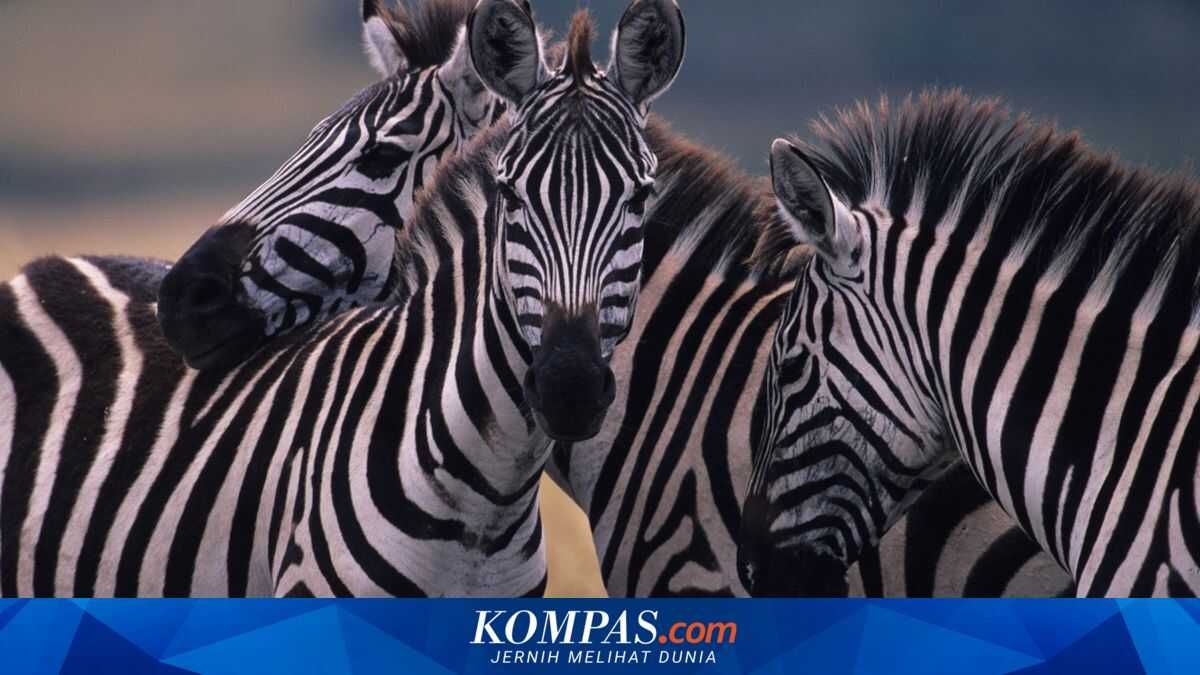
Since ancient times, humans have wondered: why can horses become man’s partners in farming, transport, and warfare, while zebras — which physically resemble them — have never succeeded in domestication? New research provides a surprisingly straightforward answer. Not due to body size, diet, or social structure, but because of the extreme stress responses possessed by zebras. Scientists have found that zebras are highly vulnerable to a condition called capture myopathy, the damaging of muscle and heart tissue caused by stress or extreme panic during pursuit or capture. The findings explain why zebras remain wild to this day, while horses have been part of human life for thousands of years. The results point to one factor as the most decisive: the physiological response to humans. A researcher from the University of Arizona, Dr Netzin G. Steklis, emphasised that the stress factor plays a very large role. ‘For hoofed mammals, the very strong physiological response to humans — modelled as vulnerability to capture myopathy — emerges as the only significant barrier to domestication,’ Steklis wrote. In other words, zebras are biologically indeed difficult to adapt to human presence. In capture myopathy, muscles that become overheated begin to degrade and release harmful chemicals into the body. The impact can include sudden weakness, fainting, organ damage, or even sudden death. Therefore, the process of capturing or handling zebras is always high risk. The fear that persists also worsens the situation because the stress response does not stop immediately after the chase. Animals that hesitate or react slowly tend to become prey.