
Why Wakaf Land Cannot Be Sold?
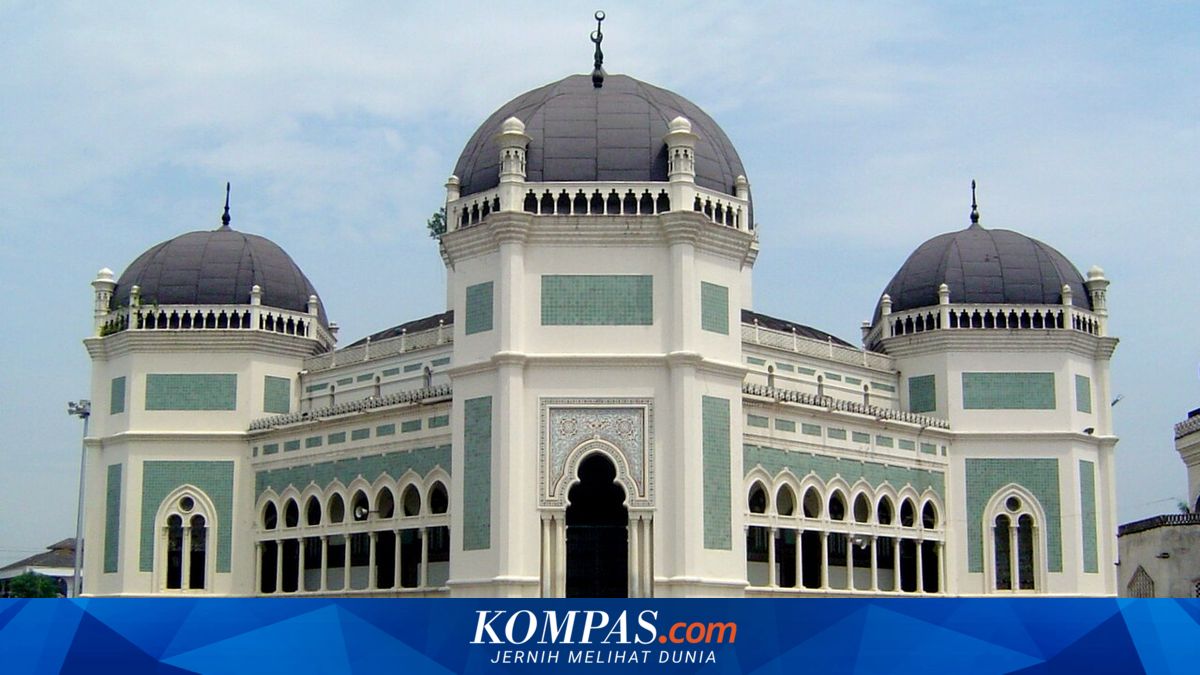
Wakaf land is a form of asset commonly found in Indonesia. This land is typically used for various public interests, such as places of worship, cemeteries, and educational facilities. However, unlike ordinary land, wakaf land has special rules prohibiting it from being sold.
The prohibition relates to the principles of wakaf in Islamic law as well as the provisions in Indonesian legislation. Summarised from Badan Wakaf Indonesia (BWI), linguistically the word wakaf originates from the Arabic waqafa, meaning to hold back, stop, or not transfer.
In Islamic law, wakaf means withholding ownership of an asset so that its benefits can be used for purposes of worship or general welfare.
In Indonesia, wakaf regulations are set out in Law No. 41 of 2004 on Wakaf and Government Regulation No. 28 of 1977 on Perwakafan Tanah Milik. The reason why wakaf land cannot be sold is that its status has been separated from private ownership and allocated for public purposes. Law No. 41 of 2004 explicitly states that waqf property that has been waqf cannot be: a is a partial text in the original; the policy is that waqf property cannot be sold or transferred. This rule is made to ensure waqf assets remain used in accordance with their original purpose, providing long-term benefits to the community.
Waqaf assets are managed by nazhir, who are responsible for administration, development, supervision, and protection of waqaf assets. In addition, the government has established a dedicated body to oversee wakaf management, namely Badan Wakaf Indonesia (BWI).
In principle, wakaf land cannot be transferred. However, under certain circumstances, a change in status can be made for public interest in line with regional spatial planning. For example, when infrastructure development such as toll roads requires land that was previously wakaf.