
Why Thailand Is Called the Land of Rice: The Secret Revealed
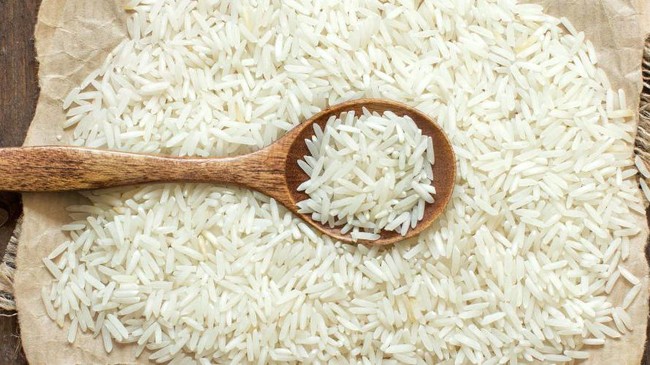
Rice is one of the world’s most important staple foods, with more than half the global population relying on it, particularly in Asia. Among the numerous rice-producing nations, Thailand is widely recognised by the epithet “Land of Rice” due to rice’s substantial role in the country’s economy, culture, and daily life.
Thailand ranks among the world’s largest rice producers. Its geographical conditions—vast lowlands, fertile soil, and developed irrigation systems—make it ideal for rice cultivation. Most rural areas of Thailand are filled with rice paddies, with rice agriculture supporting millions of farmers. The country produces tens of millions of tonnes of rice annually and exports to markets across Asia, Africa, and the Middle East.
A key reason for Thailand’s “Land of Rice” designation is its reputation for producing high-quality rice, particularly Thai Hom Mali Rice, commonly known as jasmine rice. This variety possesses a distinctive fragrant aroma and soft texture after cooking, making it highly popular in international markets and regarded as one of the world’s finest rice varieties. The global demand for jasmine rice reinforces Thailand’s position as a major player in world rice trade.
Culturally, rice in Thailand extends far beyond a mere staple food. For centuries, Thai communities have developed sophisticated rice cultivation techniques, including traditional irrigation systems and planting methods adapted to monsoon seasons. Rice features prominently in traditions, festivals, and rural beliefs. In daily life, rice serves as the primary component of nearly every Thai meal, making rice production and consumption integral to the nation’s culinary identity.
On the global market, Thailand has long established itself as a leading rice exporter, competing with major producers such as India, Vietnam, and China. Thailand’s competitive advantage lies in its premium rice quality, particularly jasmine rice with high export value, making rice production critical both for domestic food security and as a source of foreign exchange.
Thailand remains Indonesia’s primary supplier of imported rice. Data from Indonesia’s Central Statistics Agency (BPS) shows that total rice imports rose to 3.06 million tonnes in 2023, compared to 2022. This trend continued in 2024, with Thailand supplying approximately 1.3 million tonnes—roughly 30 per cent of Indonesia’s total rice imports—followed by Vietnam and other Asian nations.