
Why Should Measles Vaccination Be Timely? Here's a Paediatrician's Explanation
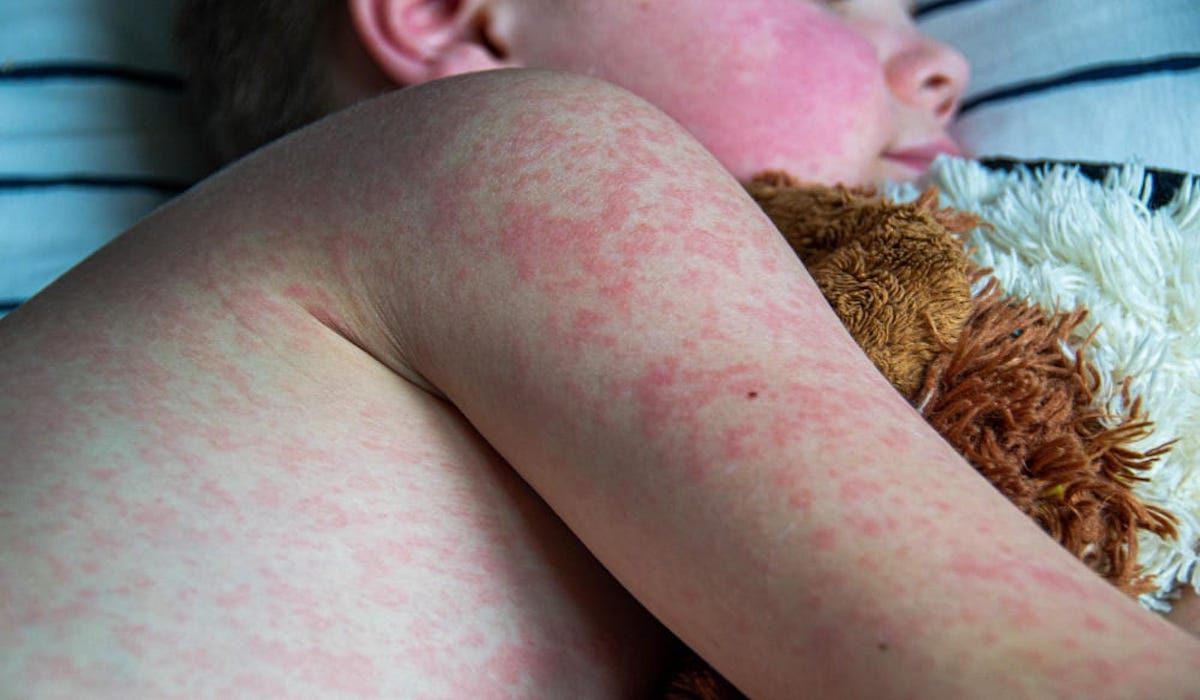
Public awareness of the importance of immunisation has been tested again following Indonesia’s ranking as the second highest in the world for measles cases. This situation has raised concerns because measles is a disease with a very high transmission rate and can be fatal in children.
Piprim Basarah Yanuarso, Chairman of the Indonesian Paediatric Association (IDAI), emphasised that understanding the correct immunisation schedule is the primary defence for protecting children from this disease. Many parents remain uncertain about the best time to bring their children for measles or MR (measles-rubella) immunisation.
According to Dr Piprim, antibodies inherited from the mother typically last only until the baby reaches approximately nine months of age. After this period, natural protection begins to decline, making the child more vulnerable to infection. For this reason, the first dose of MR vaccine is recommended at nine months of age.
Currently, most measles cases are found in children aged nine months to 15 years, making timely vaccination an important step in preventing disease transmission. After the first dose, children require follow-up immunisation. Additionally, doctors also mentioned the MMR vaccine option, which can be given at 15 months and then repeated at five years for optimal protection against measles, mumps, and rubella.
Measles is known as one of the most contagious diseases in the world. The virus has a reproduction number (R0) of approximately 12–18, far higher than COVID-19. This means one measles patient can transmit the virus to dozens of others if there is no immunity in the community.
To prevent an outbreak, immunisation coverage in a region must reach a minimum of 95% to establish herd immunity. “If it drops to just 80%, an outbreak can already occur,” said Piprim. He cited the case in Madura, which demonstrated the serious impact of low immunisation coverage. Of 11 children who died from measles, 10 had never received the vaccine.
Vaccination protects not just one individual but also serves as collective protection for vulnerable groups. Children with immunocompromised conditions, such as those with cancer, congenital heart disease, or chronic kidney disease using steroid therapy, cannot receive measles vaccine because the vaccine uses a weakened live virus.
“These immunocompromised children cannot receive the vaccine. They must be protected by an environment that has already developed immunity through immunisation. That is the concept of herd immunity,” explained Piprim. Therefore, parents who ensure their children receive vaccines on time indirectly help protect other children around them who cannot be vaccinated.
In situations of increasing cases or outbreaks, adults are also advised to receive MR booster injections, especially if they live in the same household with infants under nine months of age who cannot yet receive the vaccine.