
Why Pocong Terror Never Leaves Society
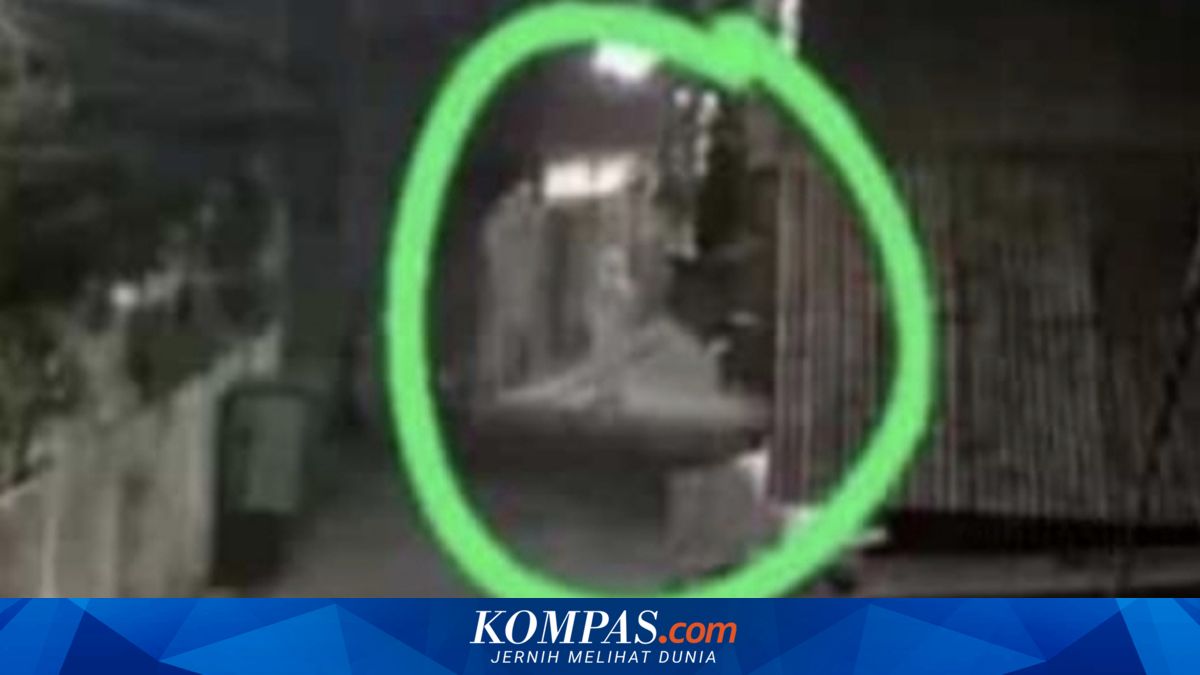
The Pocong scare has unsettled residents again in Ciputat, South Tangerang. Although later confirmed to be only a hoax, reports of a ‘pocong with a knife’ spread widely and triggered public anxiety. Sociologist Rakhmat Hidayat says such phenomena will keep recurring in Indonesian society due to the cultural closeness to supernatural narratives that have long lived in the collective memory of the people. ‘From a sociological perspective, I see that issues like this will keep recurring because Indonesians still have a cultural closeness to supernatural narratives,’ Rakhmat said when contacted by Kompas.com via WhatsApp on Friday (22 May 2026). According to him, figures such as pocong, kuntilanak, and genderuwo are not merely seen as ghosts but as cultural symbols inherited from generation to generation. Therefore, when someone wears a pocong costume at night, the public tends to immediately associate it with fears already ingrained. ‘The pocong figure is not merely a ghost but a cultural symbol that has long been transmitted through folklore, family experiences, horror films, and even digital media,’ he said. He described this situation as ‘collective fear’, i.e., a fear that arises not solely from facts, but because certain symbols already carry a disturbing meaning in people’s minds. ‘As a result, when someone wears a pocong costume at night, people immediately link it to fear already ingrained,’ said Rakhmat. He added that small pieces of information whose accuracy is unclear can develop into social panic because they are continually recorded, shared, and embellished by the public. ‘Initially there was only a busker in a pocong costume, then it evolved into the pocong with a knife issue, pocong terror, and even linked to crime or the supernatural,’ he said. Rakhmat stressed that modern society today lives in a culture of virality, where information is deemed important because it is widely discussed, not because it has been proven true. ‘Short videos showing dark atmospheres, residents’ shouts, or frightening narratives go viral more easily because they provoke emotion,’ he said.