
‘Why Not?’: Danantara Defends China Dominance in Waste-to-Energy Rollout
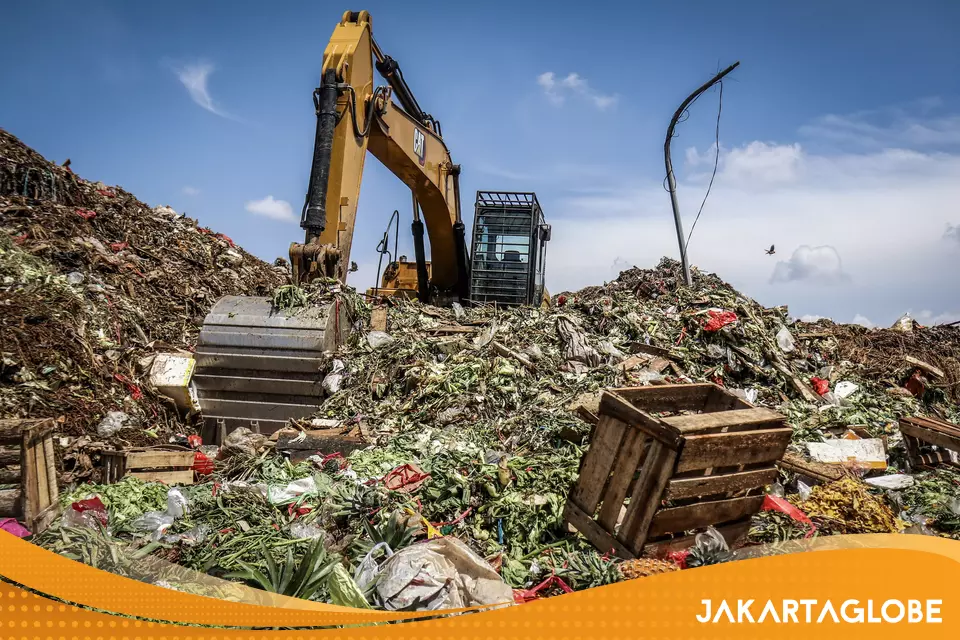
‘Why Not?’: Danantara Defends China Dominance in Waste-to-Energy Rollout
Jakarta. Sovereign wealth fund Danantara has defended the current Chinese dominance in Indonesia’s waste-to-energy rollout, citing trash sorting differences with Europe.
Danantara has been engrossed by the multi-billion-dollar ambition of developing waste-to-energy incinerators in Indonesian cities that are drowning in trash. The fund has chosen two partners for the first three locations, and they both come from China.
During a press briefing on Thursday, Danantara managing director Rohan Hafas explained the rationale behind China’s current lead. Asked about China’s landslide win in the first tender and whether it will make sure the megaproject stays inclusive to other countries, he replied: “China, why not?”
He then compared Chinese households’ way of sorting their trash — or lack thereof — with Europeans.
According to Rohan, many Chinese people still leave their garbage unsorted, just like Indonesians. And so the Chinese incinerator technologies are no strangers to this type of trash, making them a good fit in Indonesia.
“[Europeans] already separate their trash into different categories: glass, cardboard, food waste, among others. It has become part of their culture,” Rohan said.
“China is similar to Indonesia. Our people mix the different kinds of trash into one. … [Chinese technologies] are a good option for the unsorted garbage that we have in our country.”
In the first tender, Danantara had previously drawn up a China-dominated shortlist of partners. Veolia Environmental Services Asia — part of the French utility of the same name — was the only European contender in the 24-horse race. The remaining few came from Japan.
“We have actually been open to all from the get-go. Even non-Chinese companies took part [in the first tender],” Rohan said.
But winning or losing — or even simply passing the initial screening — remains subject to considerations.
Danantara has picked the Huzhou-based Wangneng Environment as its operating partner for the Bekasi plant. Zhejiang Weiming Environment Protection gets to run the Denpasar and Bogor Raya facilities. Construction in these locations will take place in late June.
The two companies still have a chance to secure more projects in the second tender. But any expansion will only be possible if “they meet the criteria”, according to Fadli Rahman, who leads the waste-to-energy program at Danantara.
“We pay attention to the [candidates’] track record and technical expertise. How many plants have they built and operated? Can they tackle the social and environmental issues?” Fadli said.
“The transfer of technology and knowledge is highly important. We consider their financial power. Turning watts into energy is no small investment.”
The heavy Chinese involvement in the waste-to-energy push comes as no surprise, as Beijing has been taking part in Indonesia’s major projects. A notable example is the $7.3 billion Jakarta-Bandung high-speed train, although it has been derailed by mounting Chinese debt. Foreign direct investment from mainland China to Southeast Asia’s biggest economy also hit $7.5 billion last year. This puts mainland China as Indonesia’s third-largest foreign investor. Hong Kong grabbed second place with $10.6 billion in investment, official data showed.
The second tender will cover 25 cities. Rohan claimed the next batch of potential candidates had come from various countries, but remained tight-lipped on the details.
Danantara estimated that setting up waste-to-energy facilities across 33 cities came with a price tag worth Rp 84 trillion or roughly $5 billion.
Tags: Keywords: