
Why is the Zipper Merge Method Difficult to Implement on Indonesian Roads?
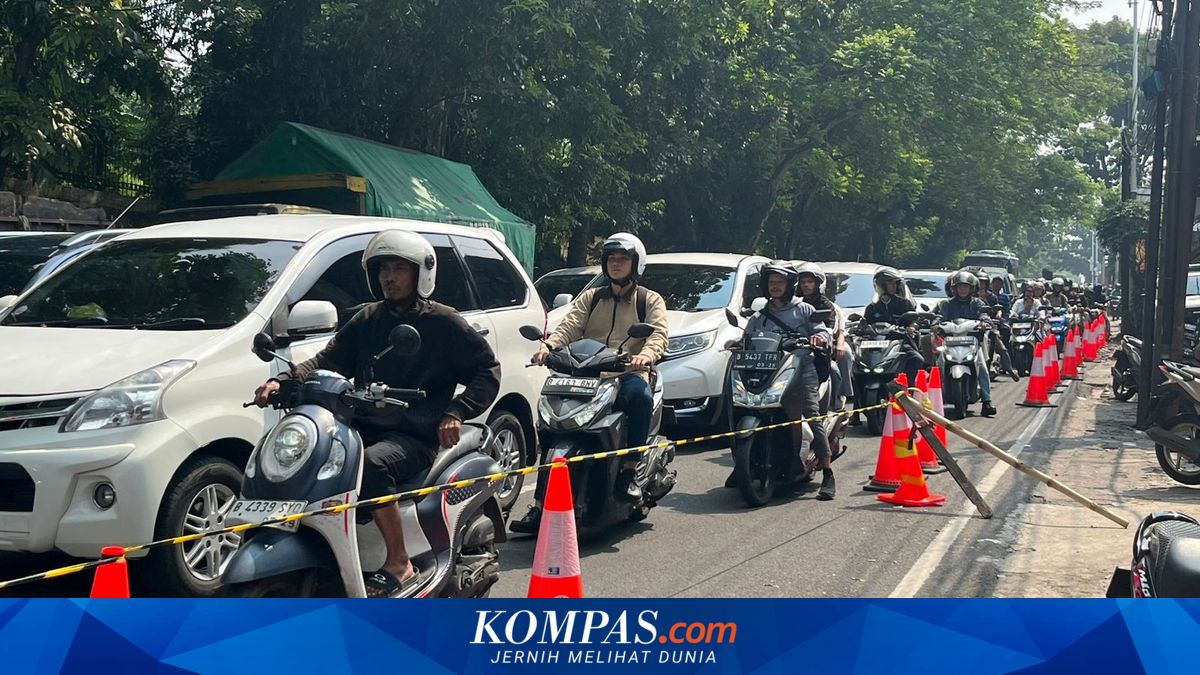
JAKARTA, KOMPAS.com - Severe traffic congestion in the Lenteng Agung area of South Jakarta, caused by a collapsed lane, is a clear indication of how fragile Indonesia’s traffic system is when facing road narrowing (bottleneck). When roads narrow drastically from three or four lanes to just one, traffic jams stretch for long distances. Theoretically, such bottleneck situations can be resolved independently by road users using the zipper merge method, where vehicles from left and right lanes take turns moving forward one by one. ‘This self-organising method doesn’t seem feasible in Indonesia due to the characteristics of motor vehicle users and Indonesian culture as a whole,’ Jusri told Kompas.com on Friday, 29 May 2026. According to Jusri, the root issue lies in two fundamental aspects missing from most Indonesian road users: empathy and understanding of traffic laws. Jusri added that in developed countries, traffic flow at narrowing points remains smooth due to collective awareness. ‘The key is empathy to avoid bottlenecks. In foreign or developed countries, this isn’t an issue. Even without traffic officers, they will use the zipper merge technique,’ he said.