
Why Is the US Warship in the Malacca Strait?
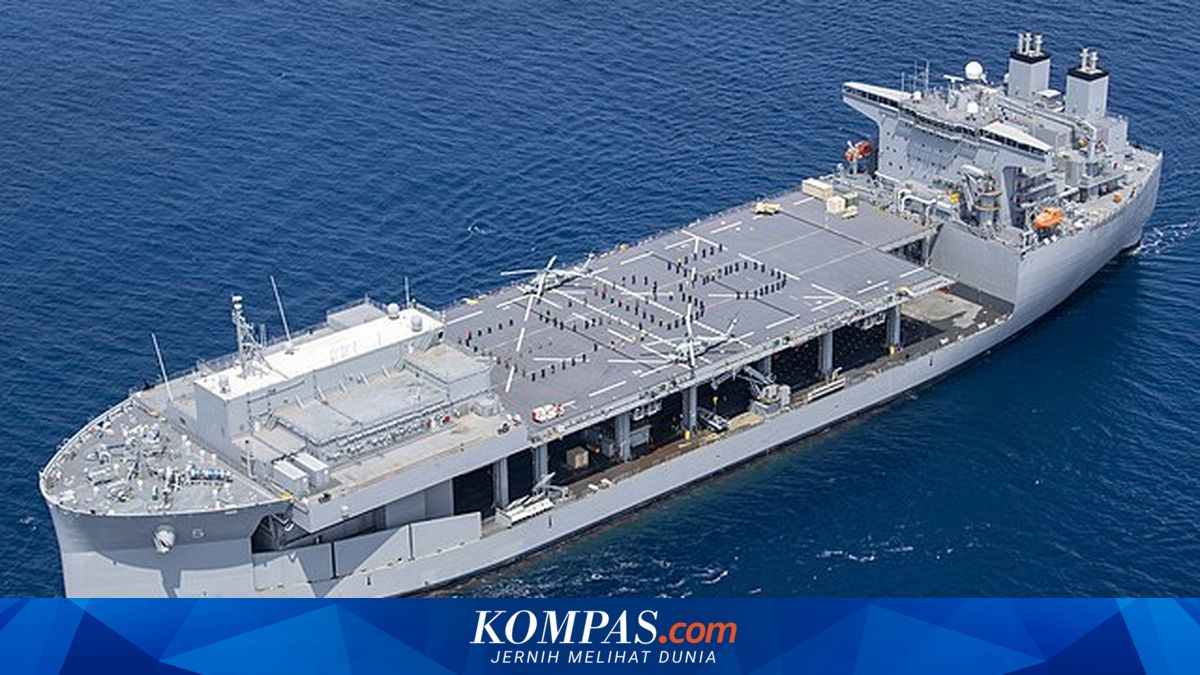
JAKARTA, KOMPAS.com - The appearance of a United States (US) warship in the Malacca Strait has not only attracted public attention but also raised significant questions. Why is the US warship present in one of the world’s busiest shipping lanes? The Indonesian Navy (TNI AL) has assured that, under international law, the presence of the ship does not constitute a violation. However, amid global geopolitical dynamics, several factors explain why the US warship is transiting this strategic area. The ship was tracked via the Automatic Identification System (AIS) heading northwest. The Head of the Indonesian Navy Information Service (Kadispenal), First Admiral Tunggul, stated that the passage is a legitimate activity in accordance with international law. Officially, the primary reason for the US warship’s presence in the Malacca Strait is the exercise of the right of transit passage. This provision is regulated in the United Nations Convention on the Law of the Sea, which grants foreign ships, including warships, the right to transit through international straits. “In response to the foreign ship transiting the Malacca Strait, the right of ships, including warships, to pass through those waters constitutes the Right of Transit Passage (Transit Passage) in straits used for international navigation,” said Tunggul to Kompas.com on Sunday (19/4/2026). The Malacca Strait itself is a strategic route connecting the Indian Ocean and the Pacific Ocean. In this context, even military ships are permitted to transit as long as they do not disrupt the security of the coastal state. “The US warship is conducting a passage, namely the Right of Transit Passage (Transit Passage) in accordance with Articles 37, 38, and 39 of UNCLOS 1982,” he said. All ships exercising the right of transit passage in the Malacca Strait are also obliged to respect Indonesia as the coastal state. “In addition, during transit passage, foreign ships must not violate provisions in accordance with COLREG 1972 on preventing collisions at sea and MARPOL on preventing pollution from ships,” Tunggul added.