
Why is the Strait of Hormuz Crucial for Global Energy and the World Economy?
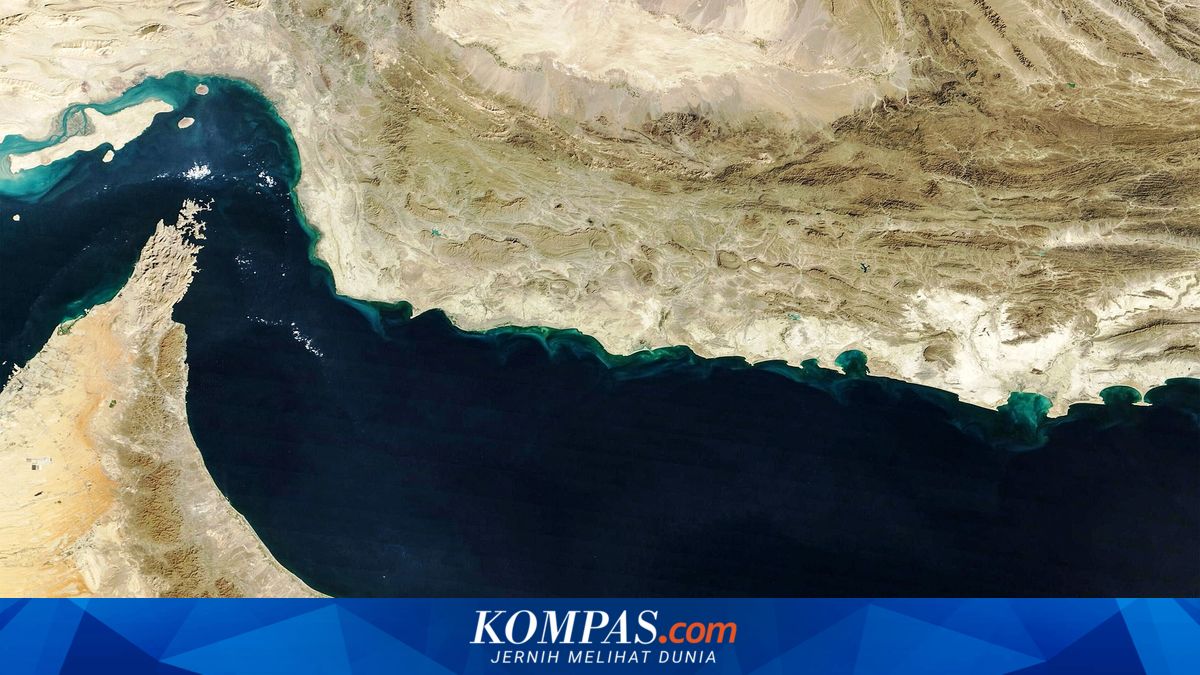
The Strait of Hormuz is one of the most strategic shipping routes in the global energy system. This narrow channel connecting the Persian Gulf with the Arabian Sea serves as a crucial point for the distribution of the world’s oil, while also being a primary indicator of the vulnerability of global energy supplies. The International Energy Agency (IEA) ranks the Strait of Hormuz as one of the most important chokepoints in international oil trade, with direct impacts on global energy prices and stability. According to the IEA’s official website on Monday (13 April 2026), the sheer volume of oil transiting the strait makes it highly critical. The IEA notes that around 20 million barrels of oil per day, or about 20% of global oil consumption, are typically shipped through this route. Additionally, approximately 25% of the world’s seaborne oil trade passes through the strait, establishing it as one of the busiest energy distribution channels globally. In some sections, the inbound and outbound shipping lanes are only about two miles or 3.2 km wide each, thereby increasing vulnerability to disruptions. This condition renders the Strait of Hormuz not only important but also susceptible to various risks, ranging from geopolitical conflicts to technical and security issues. The IEA emphasises that one of the main factors amplifying the risks of the Strait of Hormuz is the limited availability of alternative routes. The enormous volume of oil exported through the strait cannot easily be diverted to other paths. Under normal conditions, alternative routes such as land pipelines lack the capacity to fully replace the oil flow from the Strait of Hormuz. Consequently, any disruption in the strait would immediately be reflected in surges in global oil prices and potential physical supply shortages. The IEA asserts that disruptions to the Strait of Hormuz would have direct repercussions on the global oil market. Price spikes would be an almost inevitable consequence, particularly if the disruptions persist over an extended period.