
Why Is the Arctic Warming Faster? A Scientific Explanation Beyond the Albedo Effect
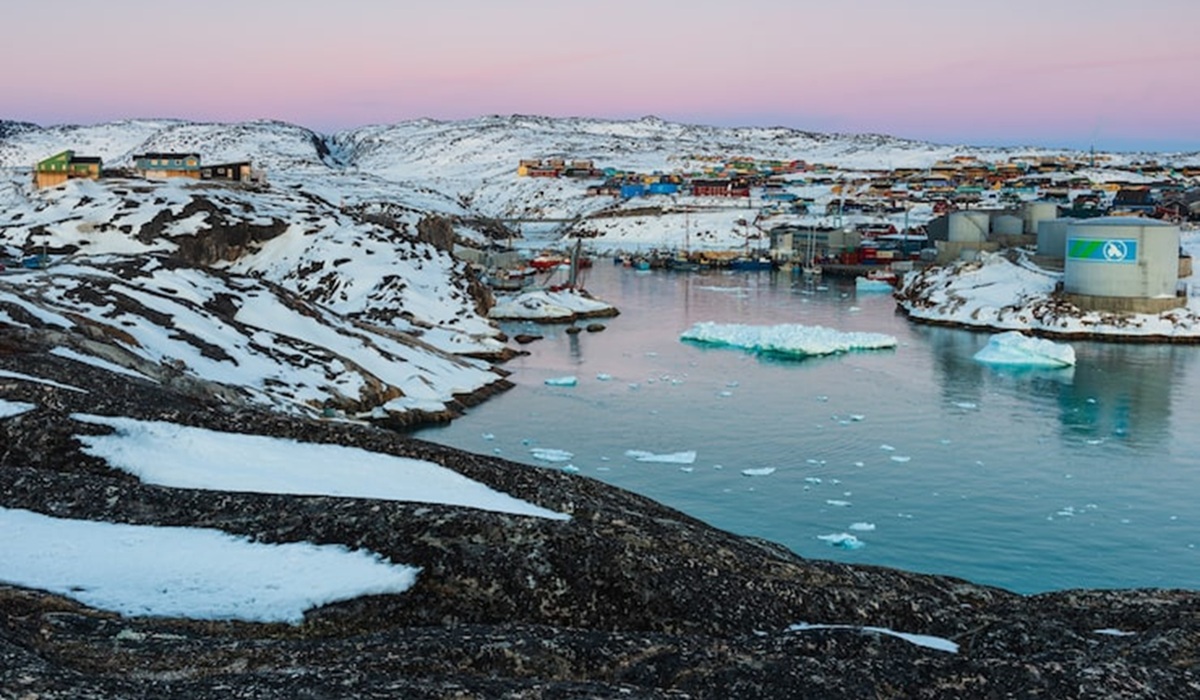
The Arctic region is now at the frontline of the global climate crisis. The Arctic has experienced temperature rises far more drastic than in other parts of the world. This phenomenon has sparked major concern among scientists because its impacts are not limited to the polar region but also threaten the stability of global weather. Data show a significant mismatch between the rise in global average temperatures and what has been happening in the Arctic since the industrial revolution. Here is the comparison. For long, the World Wide Fund for Nature (WWF) and many environmental organisations have explained this phenomenon through the albedo effect. Simply, when the white ice that reflects sunlight melts, it is replaced by dark oceans that absorb heat. This creates a warming feedback loop. However, recent research reveals that the drivers of extreme Arctic warming are far more complex. There are two main atmospheric factors now under scrutiny by scientists: convection processes and the role of water vapour. Convection is the process by which warm surface air rises into the higher layers of the atmosphere. In the tropics, strong sunlight triggers active convection, spreading heat vertically upward. Conditions differ in the Arctic. Because solar radiation is weaker there, convection is very weak. The Arctic atmosphere instead receives more warm, moist air from the tropics. As a result of weak vertical mixing, heat generated by greenhouse gases such as carbon dioxide (CO2) becomes trapped near the surface, causing temperatures to rise more rapidly. Besides convection, water vapour plays a crucial role in accelerating ice melt. As the Earth warms, the amount of water vapour in the atmosphere increases. In the Arctic, water vapour operates through three mechanisms that exacerbate melting. Scientists are continuing to monitor when the first ‘ice-free summer’ will occur in the Arctic. Changes in the Arctic are not merely a local issue; disruptions to atmospheric circulation at the poles can trigger extreme weather in mid-latitude regions, including more frequent storms and heatwaves. (World Wide Fund for Nature/WWF)