
Why is Pertalite Being Considered for Removal?
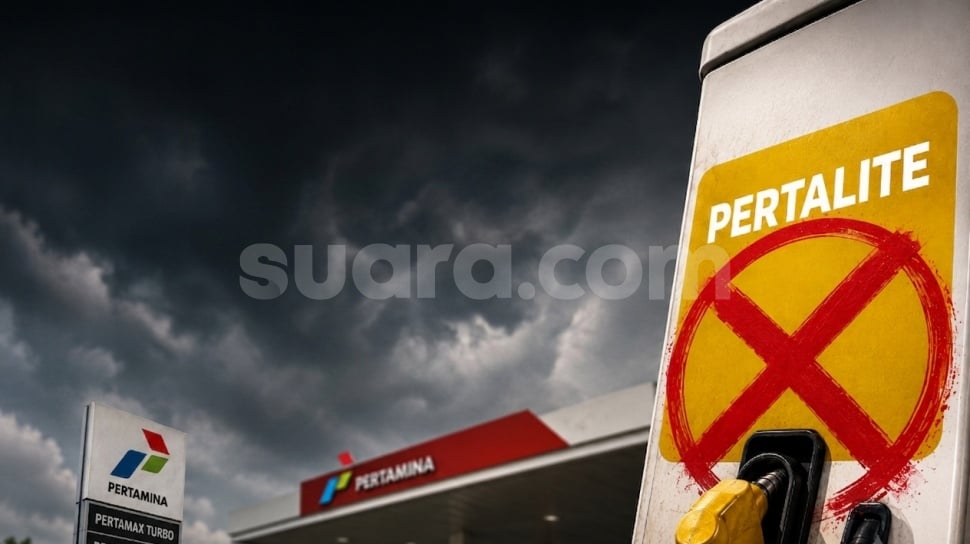
The discourse regarding the abolition of Pertalite has resurfaced amidst surging global oil prices and the expanding burden of energy subsidies within the State Budget (APBN). The government is reportedly reviewing a new scheme to shift subsidies from RON 90 fuel (Pertalite) to higher-quality fuels such as Pertamax.
“There was previously a proposal for this (the abolition of Pertalite) because oil prices are high and the subsidy burden is increasing. However, no decision has been made yet; we are still monitoring the situation,” said a source familiar with the matter.
Why is this important?
Pertalite has long been the public’s preferred fuel due to its significantly lower price compared to non-subsidised options. However, several international institutions and economists argue that the current subsidy scheme is poorly targeted and strains national finances.
In its June 202utig Indonesia Economic Prospects report, the World Bank noted that the surge in global oil prices has exposed fundamental weaknesses in Indonesia’s fuel subsidy system.
What is the problem?
According to the World Bank, fuel subsidies are disproportionately enjoyed by wealthy groups. The figures are striking: approximately 20% of the wealthiest households enjoy about 50% of the total fuel subsidy. Energy subsidy expenditure has reached 1.6% of Gross Domestic Product (GDP), and rising global oil prices are further straining the State Budget.
In essence, the state is spending vast amounts on subsidies, yet the benefits are not fully reaching the groups most in need.
What are the proposed solutions?
The World Bank has proposed three reform steps. First, gradually increasing the price of subsidised fuel to approach market rates. Second, providing direct cash assistance to the bottom 40% of households to compensate for the impact of fuel price hikes. Third, utilising subsidy savings to strengthen social protection programmes, public investment, and job creation.
According to World Bank simulations, these reforms could potentially generate fiscal savings of 1.3% of GDP within two years, increasing to 2.1% of GDP once the policy is fully implemented.
Will Pertalite be abolished immediately?
Not yet. The government currently maintains the price of Pertalite at Rp10,000 per litre and subsidised Solar at Rp6,800 per litre. PT Pertamina Patra Niaga has also confirmed that Pertalite stocks are secure and distribution to petrol stations is proceeding normally across Indonesia. The company stated it has prepared distribution reinforcement schemes in case of demand surges if the public shifts from Pertamax to Pertalite.
Why does the issue of abolition keep appearing?
Several signals are triggering public speculation. First, the Pertalite quota continues to be controlled by the government to manage the subsidy burden. Second, an increasing number of Pertamina Signature stations only sell non-subsidised fuels such as Pertamax, Pertamax Turbo, Dexlite, and Pertamina Dex. Third, the government and several international agencies are actively encouraging the use of higher-quality fuels for energy efficiency and emission reduction. These conditions create a perception that Pertalite is being gradually steered towards a transition phase.
What is the position of Pertamax?
Although the price of Pertamax rose from Rp12,300 to Rp16,250 per litre in June 2026, the government considers this price to be cheaper than similar fuels in other Southeast Asian nations. Government data shows that RON 92-95 fuel prices in the Philippines, Thailand, Laos, Myanmar, and Singapore are significantly higher than Pertamax in Indonesia. The government also emphasised that the Pertamax price increase follows the global oil price surge that has occurred since March 2026.
Bottom line
The abolition of Pertalite has not yet become official government policy. However, fiscal pressure from energy subsidies, World Bank reform recommendations, and the push for higher-quality fuel usage mean the future of Pertalite is increasingly a subject of debate. The critical question is no longer whether fuel subsidies will be reformed, but how the government will ensure low-income communities remain protected when such changes are eventually implemented.