
Why Is It Still Raining Amid the Godzilla El Niño Issue? Here's the Explanation from IPB University Expert
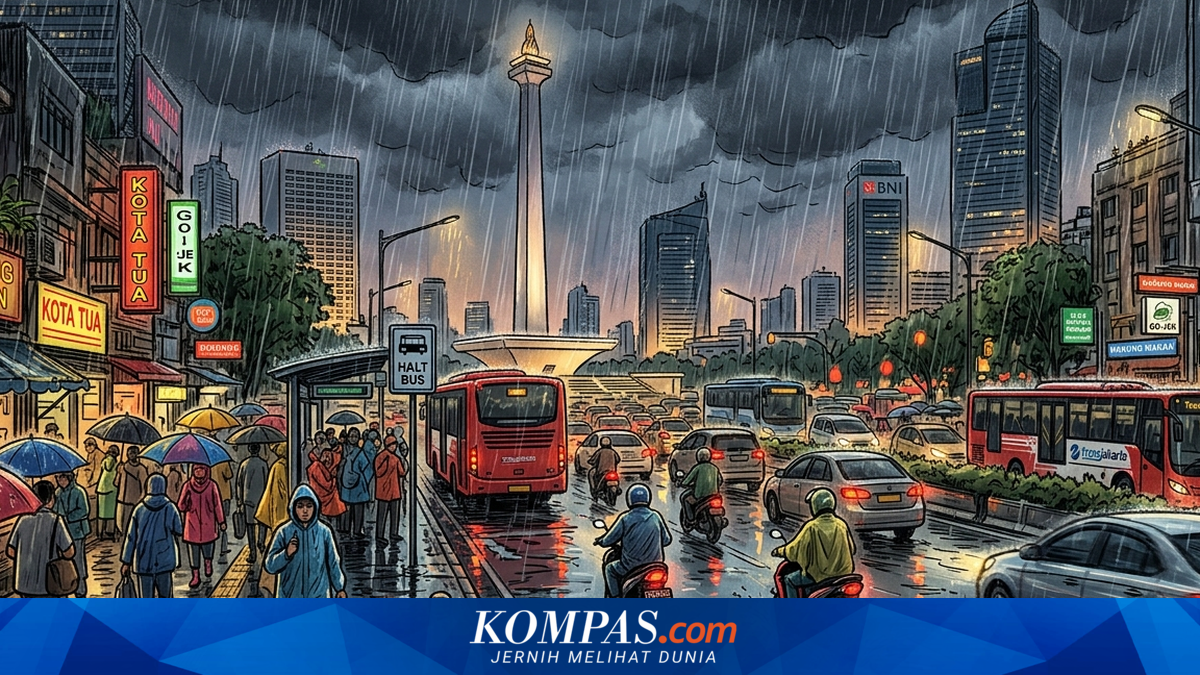
The phenomenon of heavy rains still frequently drenching several regions in Indonesia amid threats of prolonged drought has raised significant questions among the public. This is because the Indonesian Meteorological, Climatological, and Geophysical Agency (BMKG) had previously warned of the threat of the El Niño phenomenon, even one categorised as extreme or “Godzilla”. So, why does rain continue to fall despite the El Niño threat, even one described as “Godzilla” category? “Because this is still the pancaroba period, and the start of the season is not uniform across all regions of Indonesia,” said Sonni on Tuesday (8/4/2026). Sonni emphasised that indications of a prolonged dry season are still evident based on the trend of rising sea surface temperatures in the central and eastern Pacific Ocean. This rise in temperature is the initial signal for the development of El Niño, which has the potential to significantly reduce rainfall in Indonesia. Based on available data, this year’s dry season is predicted to last longer than usual. “It is predicted to be so, with a duration of around six months,” he added. Moreover, the start of the dry season could arrive earlier, especially in Java, which typically enters the dry phase in July. “The start of the dry season is earlier than usual. This rise in sea surface temperature impacts the reduction in cloud formation in Indonesia,” he explained. Regarding the term “El Niño Godzilla” that has been widely discussed, Sonni explained that it refers to the super El Niño category. This condition occurs when sea surface temperatures in the Pacific rise by up to 2.5 degrees Celsius or more above normal. “El Niño Godzilla usually lasts on average for one year,” said Sonni. This extreme phenomenon previously triggered severe droughts and forest fires in Indonesia in 1982, 1997, and 2015. Nevertheless, Sonni assesses that the current conditions are still in a category that is not worrying.