
Why is Asia the Main Victim of the Global Energy Crisis?
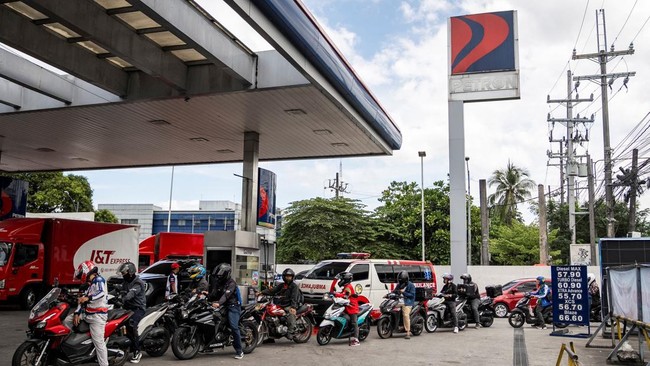
The conflict in Iran, which is disrupting global energy distribution routes, is beginning to show serious impacts on the world economy, particularly in the Asian region. High dependence on oil imports, limited energy reserves, and restricted diversification of sources make many Asian countries the most vulnerable. Disruptions in the Strait of Hormuz, through which around 20% of the world’s oil trade passes, have triggered a surge in global energy prices to over US$100 per barrel. The effects are not only felt in fuel prices but also extend to inflation, production costs, and social activities. High Dependence on Energy Imports Becomes the Main Weak Point One of the main factors making Asia vulnerable is its high dependence on energy imports, especially from the Middle East. Many countries in the region do not have sufficient domestic oil production to meet internal needs. This situation makes Asia the region that feels the impact most quickly when there is a global supply disruption. When oil distribution is disrupted due to geopolitical conflicts, these countries have few alternatives other than paying more or reducing consumption. In Southeast Asia, the situation is even more complex. In addition to relying on imports, most countries also have limited energy reserves and suboptimal energy infrastructure. This translates global price volatility directly into domestic pressures, both on fiscal matters and people’s purchasing power. Widespread Impacts: From Expensive Fuel to Disrupted Social Activities The energy crisis also affects various economic and social aspects. Rising fuel prices trigger increases in transportation and distribution costs, ultimately driving inflation. In several countries, the impacts are already felt in daily activities. Long queues at petrol stations, rising transportation fares, and increasing production costs are becoming common phenomena. For low-income communities, this pressure is much heavier because the proportion of expenditure on energy and transportation is relatively larger. Meanwhile, for the industrial sector, rising energy costs threaten competitiveness and production stability. From Subsidies to Activity Restrictions Facing this pressure, Asian countries are beginning to implement various emergency measures. Ranging from energy subsidies and consumption savings to restrictions on economic activities. Some countries are even starting to change work and lifestyle patterns, such as implementing a four-day office work week, to restrictions on vehicle use. On the other hand, countries with stronger fiscal capacity tend to rely on subsidies to contain price volatility. However, this strategy risks burdening the state budget if the crisis persists for a long time. This Crisis Could Become a Turning Point for Global Energy This crisis triggered by the Iran conflict is not only a short-term challenge but also has the potential to change the global energy landscape. Countries are beginning to realise the importance of energy resilience and the need to diversify supply sources. In the long term, this situation could accelerate the transition to alternative energy such as renewables and electric vehicles. However, for now, some countries are increasing coal use to maintain short-term supplies. In other words, this crisis affirms that energy is a strategic factor determining a country’s stability.